Yes, there is a connection and it goes beyond what most people expect. Smoking reduces blood flow to hair follicles, raises DHT levels, increases oxidative stress, and irritates the scalp. The damage is gradual, which is why most smokers don’t notice it until the thinning is already significant. This blog covers how smoking affects hair, whether quitting reverses the damage, and what treatment options exist when it doesn’t.
Yes. And the mechanism is more direct than most people realise.
Hair follicles need consistent blood supply to stay active. Smoking constricts blood vessels, reduces oxygen delivery to the scalp, and exposes follicles to toxins that damage the cells responsible for hair growth. The result is gradual thinning that can look identical to genetic hair loss except the trigger is sitting in the packet.
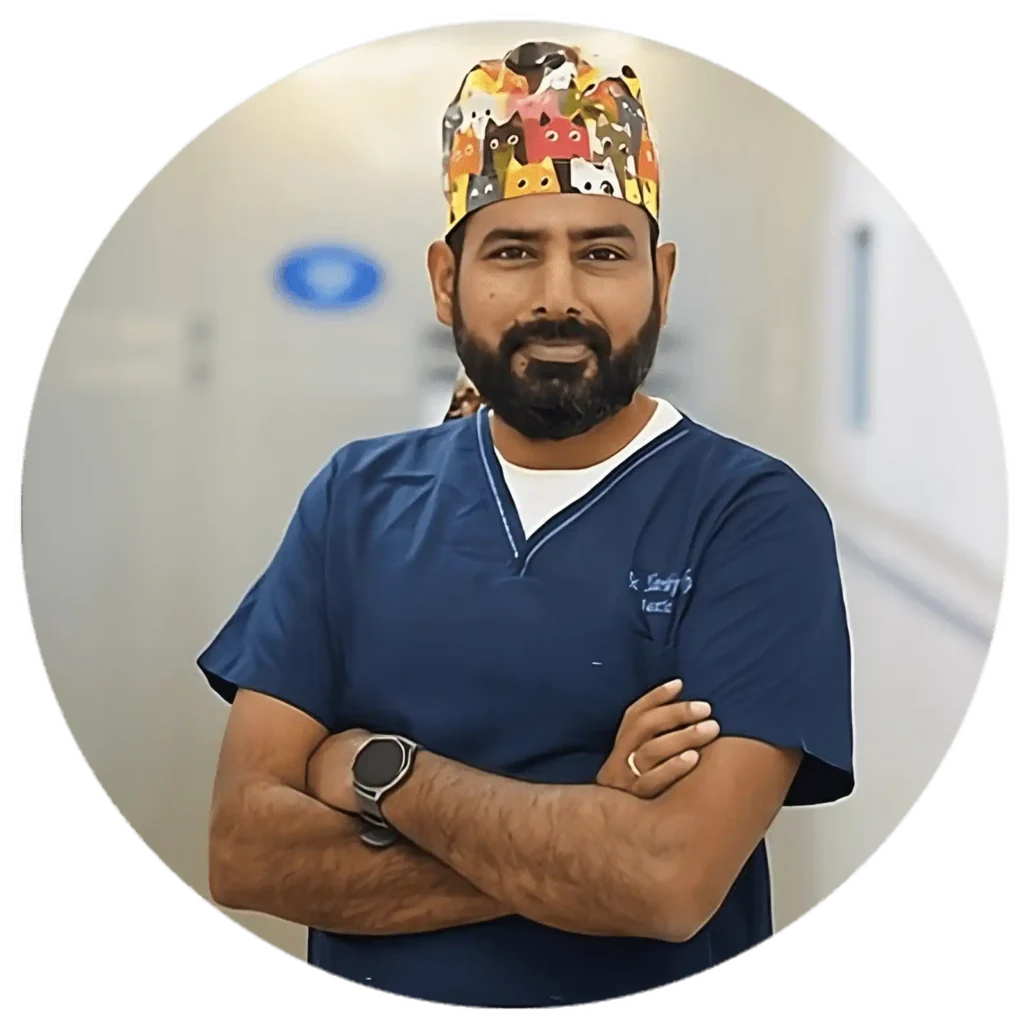
According to Dr Harikiran Chekuri, one of India’s pioneering plastic surgeon and hair transplant specialist, “Most people don’t realise smoking directly affects hair health by reducing blood flow to follicles and damaging the DNA of hair-producing cells. Over time, this leads to thinning, loss, and premature greying.”
How Does Smoking Actually Damage Hair?
The damage happens through four routes simultaneously.
Reduced scalp circulation: Nicotine constricts blood vessels. Less blood reaching the scalp means less oxygen and fewer nutrients delivered to active follicles. Follicles starved of supply shrink, produce thinner shafts, and eventually stop producing altogether.
Elevated DHT levels: Smoking raises dihydrotestosterone, the hormone that drives androgenetic alopecia. In someone genetically susceptible to pattern hair loss, smoking accelerates the timeline. What might have taken until the mid-40s can appear a decade earlier.
Oxidative stress: Cigarette smoke generates free radicals that damage follicle cells at the DNA level. Healthy follicles repair this damage routinely. Chronic exposure overwhelms that repair capacity, and the follicle miniaturises.
Scalp inflammation: Toxins in smoke irritate the scalp directly, causing dryness, chronic low-grade inflammation, and impaired healing. Inflamed scalp tissue is a poor environment for follicle function.
Does quitting reverse it? Partially. Once smoking stops, circulation improves, inflammation reduces, and follicles that were weakened but not destroyed can regain some function. Follicles that are already miniaturised or dormant don’t recover on their own. That’s where hair transplant surgery becomes relevant but only after the patient has stopped smoking, since active smoking significantly reduces transplant success rates.
What to tell your doctor: How long you’ve smoked, whether you’ve noticed accelerated thinning, and whether hair loss runs in your family. All three factors together determine what’s driving the loss and what will actually help. Also read: Does Smoking Cause Hair Loss?
What Are the Treatment Options And Does Quitting Alone Fix It?
Quitting is the right first step. It’s rarely the complete answer.
Quitting smoking: Stops ongoing follicle damage, improves scalp circulation, and creates a better environment for any subsequent treatment to work. Most patients see some improvement in scalp health within three to six months. Hair density improvement depends on how much follicle damage had already accumulated.
Minoxidil: Improves blood flow to the scalp and extends the growth phase of existing follicles. Works best when the follicles are weakened but still active. Less effective when follicles are already miniaturised from years of combined smoking and genetic loss.
Finasteride: Reduces DHT levels. Directly addresses the hormonal route through which smoking accelerates androgenetic alopecia in susceptible patients. Requires consistent use and clinical supervision.
PRP therapy: Platelet-rich plasma injected into the scalp delivers growth factors that stimulate weakened follicles. Works as a standalone option for mild to moderate loss and as an adjunct to transplant surgery.
Hair transplant surgery: The definitive option when follicles in thinning areas are no longer active. Healthy follicles from the donor zone are transplanted to the affected areas. Smoking before or after surgery significantly increases the risk of graft failure, poor healing, and infection. Most surgeons require patients to stop smoking for a minimum of two weeks before and after the procedure. Hair transplant candidacy at Redefine is assessed after a full scalp evaluation, not from photographs.
What to tell your surgeon: Your smoking history and current status, any medications already tried, and how long the thinning has been progressing. That information determines which treatment fits your stage of loss and scalp condition.
Patients who have quit smoking and are now considering a hair transplant should read Why Patients Get Rejected for Hair Transplant to understand what else affects candidacy before booking a surgical consultation.
Why Choose Redefine for Hair Loss Treatment in Hyderabad?
At Redefine Hair Transplant and Plastic Surgery Centre, Dr Harikiran Chekuri brings over 20 years and more than 20,000 surgeries to every treatment decision. He is a Gold Medallist in Plastic Surgery from NTR University of Health Sciences, Paul Harris Fellow, and Vaidya Siromani awardee 2015. Redefine has been ranked No.1 Plastic Surgery Centre in the Twin States by the Times of India Health Survey for three consecutive years, 2019, 2020, and 2021.
Every hair loss patient at Redefine begins with a scalp assessment to identify what is driving the loss before any treatment is recommended. Smoking-related hair loss is treatable. The plan depends on how much damage has accumulated and what the follicles can still respond to.
Frequently Asked Questions
Does smoking directly cause hair loss?
Yes. Smoking reduces scalp blood flow, raises DHT levels, causes oxidative damage to follicle cells, and inflames the scalp. All four contribute to thinning and accelerate pattern hair loss in susceptible patients.
Will my hair grow back if I quit smoking?
Partially. Follicles that were weakened but not destroyed may recover some function once circulation improves. Follicles already miniaturised from long-term damage don’t self-repair. Medical treatment or a hair transplant may still be needed.
How long after quitting does scalp health improve?
Most patients notice improved scalp condition within three to six months of stopping. Hair density improvement depends on the degree of damage and whether other treatments are used alongside.
Can I get a hair transplant if I smoke?
Not immediately. Most surgeons require patients to stop smoking for a minimum of two weeks before and after surgery. Active smoking increases graft failure risk, slows healing, and raises infection risk significantly.
Does smoking cause greying as well as hair loss?
Yes. The same oxidative stress that damages follicle cells also affects melanocytes, the cells responsible for hair colour. Premature greying is a recognised consequence of long-term smoking.
References
- Babadjouni A, Pouldar Foulad D, Hedayati B, Evron E, Mesinkovska N. The effects of smoking on hair health: a systematic review. Skin Appendage Disord. 2021;7(4):251–264.
https://pubmed.ncbi.nlm.nih.gov/34307472/ - Kavadya Y, Mysore V. Role of smoking in androgenetic alopecia: a systematic review. Int J Trichology. 2022;14(2):41–48.
https://pubmed.ncbi.nlm.nih.gov/35531482/ - Gupta AK, Bamimore MA. A meta-analysis study on the association between smoking and male pattern hair loss. J Cosmet Dermatol. 2024.
https://onlinelibrary.wiley.com/doi/10.1111/jocd.16132