
Cosmetic ear surgery doesn’t damage hearing. Otoplasty reshapes the outer ear and ear cartilage without touching the middle or inner ear structures responsible for sound processing. There’s one nuance worth knowing. Repositioning a protruding ear slightly changes how the pinna captures sound, and research has found small measurable differences in speech intelligibility as a result. In practice, patients don’t notice it. The change is clinically detectable but not meaningful in daily life.
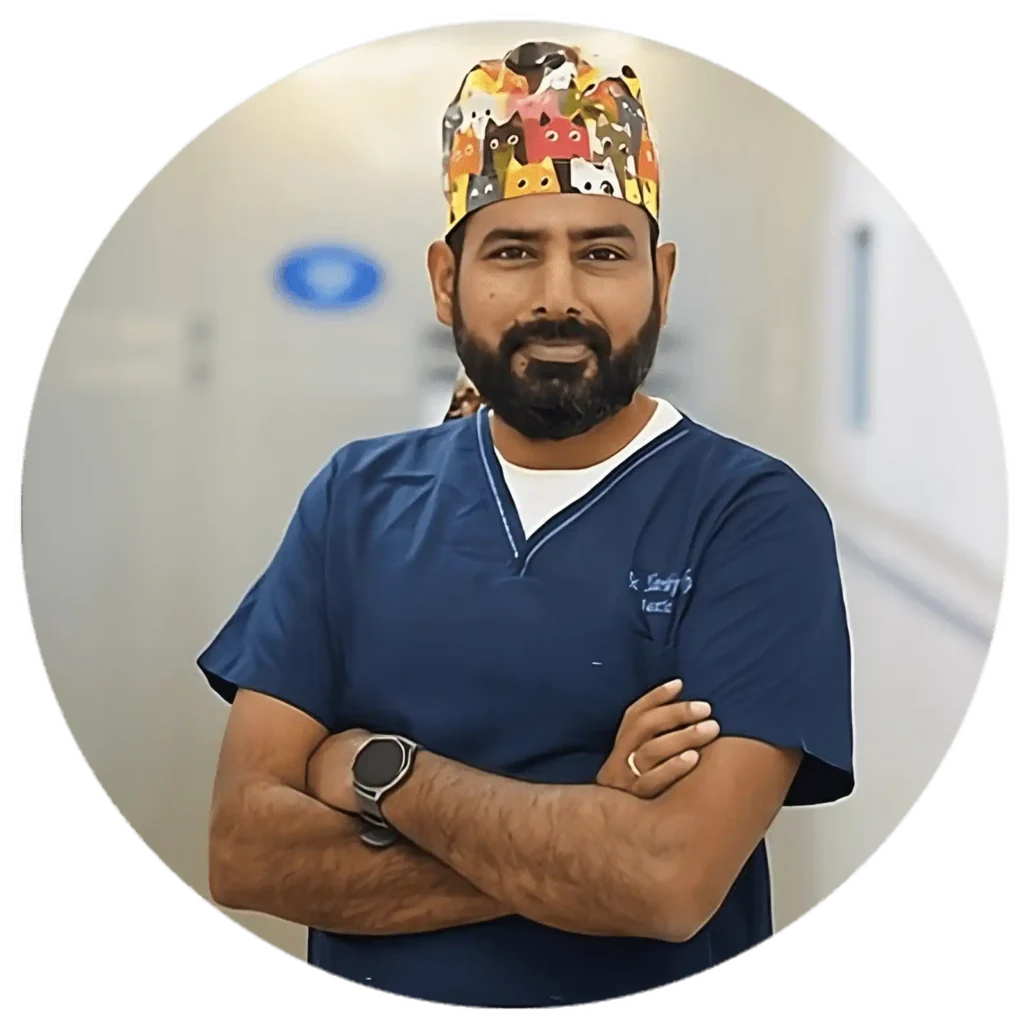
According to Dr Harikiran Chekuri, one of India’s pioneering plastic surgeon, “Ear surgery doesn’t affect hearing in any clinically meaningful way. The middle and inner ear are completely separate from what we work on during otoplasty. The occasional concern patients raise is understandable, but the anatomy makes it clear why the worry is unfounded.”
Why Doesn't Otoplasty Affect Hearing?
Otoplasty and hearing operate on completely different anatomy. Here’s why the two don’t intersect.
- The outer ear is cosmetic, not functional: Otoplasty reshapes the auricle and ear cartilage. These structures channel sound toward the ear canal but play no role in sound processing itself.
- Middle and inner ear are untouched: Hearing depends on the eardrum, ossicles, and cochlea in the middle and inner ear. Otoplasty doesn’t go anywhere near them.
- Incisions sit behind the ear: The surgical access point is the crease behind the ear. It stays well away from the ear canal and has no path to the hearing structures.
- Pinna repositioning and sound capture: Moving a protruding ear closer to the head does change the ear’s sound-capturing geometry slightly. Research has found small measurable differences in speech intelligibility, though patients don’t notice them in daily life.
- No documented cases of hearing loss from otoplasty: The clinical literature on otoplasty complications covers scarring, asymmetry, and infection. Permanent hearing loss from cosmetic ear surgery doesn’t appear.
The anatomy is reassuring here. For patients in Hyderabad, Redefine Hair Transplant and Plastic Surgery Center addresses hearing concerns directly at every otoplasty consultation.
What Should Patients Know Before Ear Surgery?
The hearing concern is settled. These are the practical things patients should understand before committing to ear surgery.
- Temporary swelling around the ear canal: Post-surgical swelling near the ear can make hearing feel muffled in the first few days. It clears as swelling resolves and isn’t a sign of damage.
- The headband requirement: Most patients wear a protective headband over the ears for several weeks. This can affect how sound feels but doesn’t affect hearing function.
- Children’s timing: The ideal age for otoplasty is around five to six years, when ear cartilage is fully developed. Earlier surgery on incomplete cartilage carries different considerations.
- Realistic outcome expectations: Otoplasty corrects ear position and contour. It doesn’t change ear size dramatically or alter facial proportions. Managing expectations correctly before surgery is what prevents disappointment.
- Revision cases need extra planning: Patients who’ve had previous ear surgery have altered anatomy that needs more careful assessment. The cartilage is less predictable the second time around.
Understanding what the procedure actually involves removes most of the pre-surgical anxiety. Read our previous blog on Rhinoplasty Recovery to see how facial surgery recovery timelines compare week by week.
Ear surgery changes how the ears look. It leaves how they work entirely alone.
Why Choose Redefine for Ear Surgery in Hyderabad?
Dr. Harikiran Chekuri is one of India’s pioneering surgeons offering Ear Surgery in Hyderabad, and every patient at Redefine receives a full pre-surgical consultation covering ear anatomy, cartilage assessment, technique selection, recovery expectations, and direct answers to hearing concerns before any plan is confirmed, because patients who understand exactly what otoplasty does and doesn’t affect go through surgery with far less anxiety and recover with more realistic expectations, and that approach has been the standard here across thousands of facial aesthetic cases.
At Redefine Hair Transplant and Plastic Surgery Center, every patient receives clear answers to every question they bring, including the hearing question, rather than a reassurance that doesn’t explain the anatomy behind it.
Frequently Asked Questions
Will ear surgery affect my hearing ability?
No. Otoplasty reshapes the outer ear and cartilage without touching the middle or inner ear structures responsible for hearing. Hearing function is not affected.
Can otoplasty cause any temporary hearing changes?
Post-surgical swelling near the ear can make hearing feel slightly muffled for a few days. This resolves as swelling clears and isn’t a sign of damage.
What is the best age for ear surgery?
Around five to six years of age when ear cartilage is fully developed. Adults can also undergo otoplasty at any age with comparable results.
How much does ear surgery cost at Redefine?
Ear surgery at Redefine starts from Rs. 40,000 and varies based on the correction required. The final cost depends on the surgical plan confirmed at consultation.
References
- PubMed Central: Otoplasty Outcomes and Hearing Research: https://www.ncbi.nlm.nih.gov/pmc
- American Society of Plastic Surgeons: Ear Surgery Patient Resources: https://www.plasticsurgery.org
- International Society of Aesthetic Plastic Surgery: Facial Aesthetic Procedures: https://www.isaps.org