

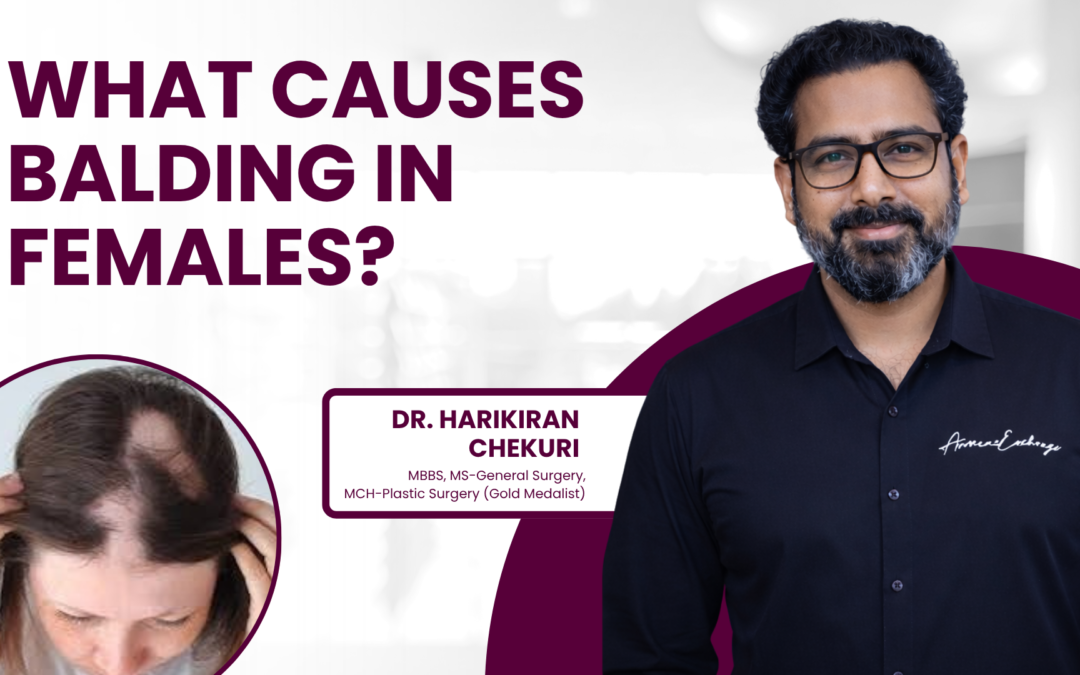
What Causes Balding In Females?
Female hair loss is not one condition. It is several, each with a different cause, a different pattern, and a different treatment. Getting the cause right determines whether the treatment works. This blog covers the most common causes of balding in women, what each...
How Safe Is Tummy Tuck?
A tummy tuck is one of the more commonly performed body contouring surgeries and, in the right patient with a qualified surgeon, carries an acceptable safety profile. That does not mean it is without risk. This blog covers what the real risks are, which patients face...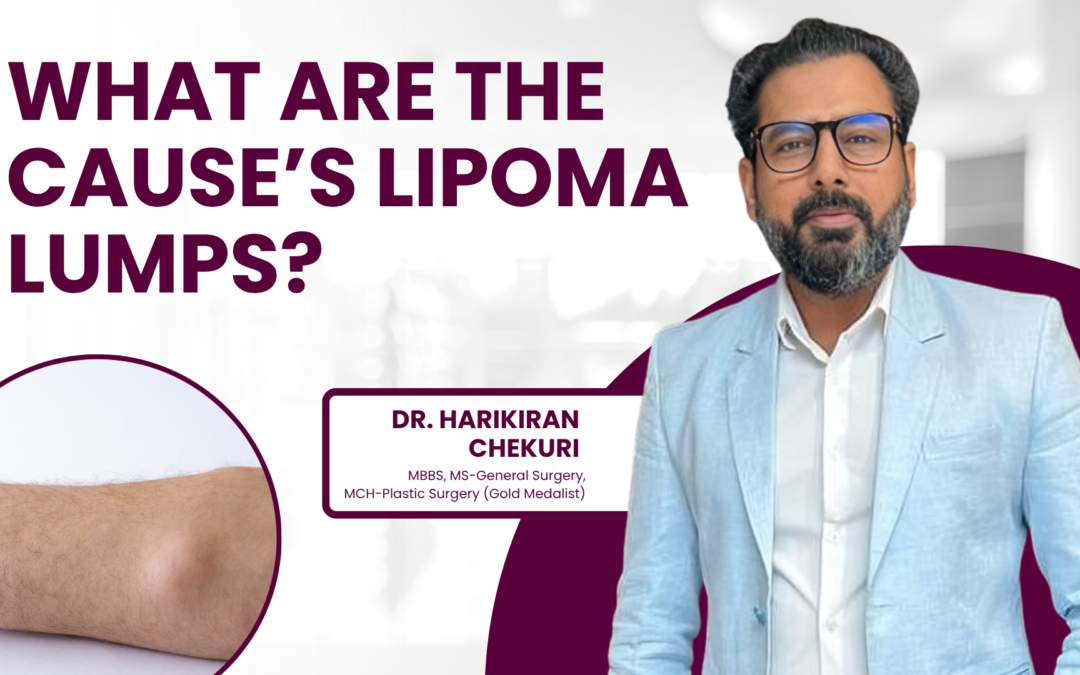
What Are The Cause’s Lipoma Lumps?
A lipoma is a slow-growing deposit of fat beneath the skin. It is soft, moveable, and almost always harmless. What causes one to form is not fully understood, but genetics, age, injury, and certain medical conditions all play a role. This blog covers what lipomas are,...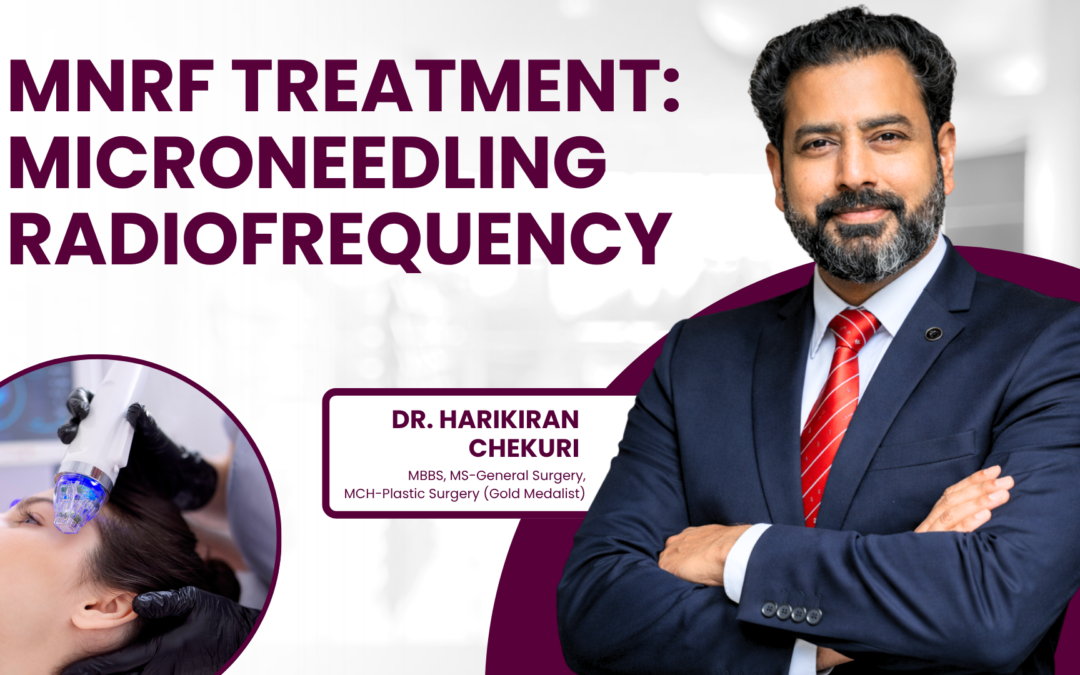
What is MNRF(Microneedling Radio frequency Treatment)?
MNRF combines the controlled injury of microneedling with the deep thermal energy of radiofrequency to remodel collagen and elastin at the dermal level. It is one of the most clinically versatile skin treatment options available, addressing acne scars, open pores,...
MEDICALLY REVIEWED BY

Dr. Harikiran Chekuri
MBBS, MS – General Surgery, MCh-Plastic Surgery (Gold Medalist)
Plastic Surgeon, Hair Transplant Surgeon , Longevity & Peptide Expert