Most people ask this question thinking about seasons. The real answer has nothing to do with weather. The best time for a hair transplant is when hair loss is stable, donor supply is adequate, health conditions are controlled, and expectations are realistic. This blog covers what actually determines timing, what the seasonal debate is really about, and what makes a patient ready versus not ready for surgery.
When your candidacy is right. Not when the calendar says so.
The seasonal question winter versus summer, monsoon versus dry is a secondary consideration at best. It matters slightly for comfort and post-operative scalp care. It does not change the surgical outcome. What changes outcomes is whether the patient’s hair loss is stable, whether the donor supply supports the planned result, and whether the patient’s expectations match what the procedure can deliver. A patient who meets all the clinical criteria can have a successful hair transplant in any month of the year. A patient who does not meet them will get a poor result regardless of season.
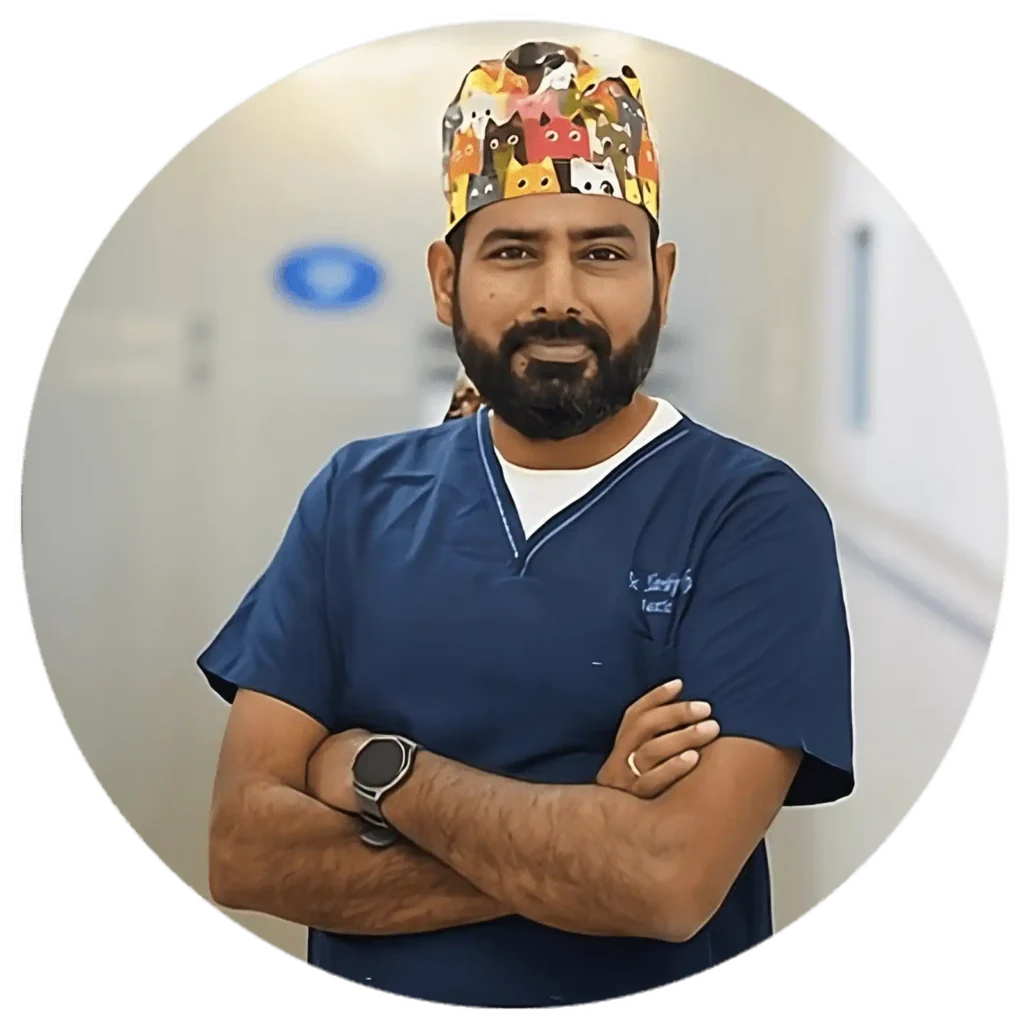
According to Dr Harikiran Chekuri, one of India’s pioneering plastic surgeons, “The best time for a hair transplant is a clinical question, not a calendar question. Stable hair loss, adequate donor density, realistic expectations, and good health when all four are in place, the timing is right. Season is a distant secondary consideration.”
What Actually Determines the Right Time for a Hair Transplant?
Clinical readiness, not seasonal preference.
- Stable hair loss for at least 12 months: The most important criterion. A transplant on actively progressing loss deteriorates as native hair continues to fall. Serial trichoscopy or standardised photography at two or more time points confirms stability. Finasteride or minoxidil is used to achieve stability in patients who are close but not there yet.
- Age and loss trajectory: Patients in their early 20s with progressing loss and a family history of significant baldness are usually not ready, as the final loss pattern isn’t yet established.. Most surgeons are significantly more conservative with patients under 25..
- Nutritional and health status: Low ferritin, vitamin D deficiency, uncontrolled thyroid disease, and uncontrolled diabetes all affect graft survival and healing. Correctable prerequisites, not permanent disqualifiers. Hair transplant planning at Redefine includes nutritional and health assessment before any surgical date is confirmed.
- Practical timing: First 7–10 days require wound care and limited activity. Most patients take one to two weeks off work. Avoid scheduling before a wedding, major work event, or overseas trip.
- Seasonal debate: Any season works. Sun protection and sweat management in summer; dryness management in winter. In Hyderabad, the distinction is less dramatic recovery happens largely indoors year-round.
Patients wanting a complete pre-surgical guide should read Things You Should Know Before a Hair Transplant.
When Should You Wait And What Changes While You Do?
Waiting is not passive. It is an active preparation period.
- Wait if loss is still progressing: Use this period for finasteride, minoxidil, or PRP to slow miniaturisation and preserve donor density. Patients who wait often arrive at surgery in better condition.
- Wait if you are under 25 with progressing loss: The loss pattern over the next 2–5 years changes the surgical plan significantly. A hairline designed for a 23-year-old won’t look appropriate on a 40-year-old if hair loss continues behind it.
- Wait if a nutritional deficiency is active: Iron deficiency, low vitamin D, and uncontrolled thyroid disease impair graft survival. Correct these first and confirm improvement with a follow-up blood panel.
- Do not wait if candidacy is already met: Every month of ongoing androgenetic alopecia in a ready candidate is a month of loss that medical therapy alone is managing rather than permanently addressing.
For a month-by-month breakdown of what to expect after surgery, read Hair Transplant Results Month by Month.
Why Choose Redefine for Hair Transplant in Hyderabad?
At Redefine Hair Transplant and Plastic Surgery Centre, Dr Harikiran Chekuri brings over 20 years and more than 20,000 surgeries to every treatment decision. He is a Gold Medallist in Plastic Surgery from NTR University of Health Sciences, Paul Harris Fellow, and Vaidya Siromani awardee 2015. Redefine has been ranked No.1 Plastic Surgery Centre in the Twin States by the Times of India Health Survey for three consecutive years, 2019, 2020, and 2021.
Every hair transplant patient at Redefine receives a trichoscopy assessment, blood panel review, and a frank discussion of where they stand on each timing criterion before any surgical date is considered. Patients who are not ready yet leave with a clear plan for what prepares them.
Frequently Asked Questions
When is the best time of year for a hair transplant?
Any time of year works. Winter and autumn are marginally more comfortable because of lower sweat and UV exposure during early healing. In Hyderabad’s indoor clinic environment, the seasonal difference is minimal. Clinical readiness matters far more than season.
How do I know if my hair loss is stable enough for surgery?
Twelve months of documented stability confirmed by trichoscopy or serial photography at multiple time points. Medical therapy is used to achieve stability in patients who are close but not yet there.
Should I wait until my hair loss is completely stopped?
Completely stopped is not realistic for androgenetic alopecia — it is a progressive condition. Stable for 12 months, with medical therapy maintaining that stability, is the clinical standard.
Is there a wrong time to get a hair transplant?
Yes, before hair loss is stable, before the loss pattern is established in patients under 25, when active nutritional deficiencies are unresolved, and immediately before major social or professional commitments that cannot accommodate a two-week recovery.
How long until I see the final result after surgery?
Nine to twelve months for the majority of patients. Some see their final result at eighteen months. The first three to four months involve a shedding phase that is normal and expected.
Reference
Bernstein RM, Rassman WR. Follicular transplantation: patient evaluation and surgical planning. Dermatol Surg. 1997;23(9):771–784.
https://pubmed.ncbi.nlm.nih.gov/9311368/
Hair Transplantation by FUE for Male Androgenetic Alopecia PMC/NCBI
https://pmc.ncbi.nlm.nih.gov/articles/PMC7606102
Shapiro R, Shapiro P. Hair transplant: patient candidacy, medical optimization, and surgical considerations. Int J Dermatol. 2026.
https://pubmed.ncbi.nlm.nih.gov/40660483/