A hair transplant is a permanent surgical decision. What you know before you commit directly affects the outcome. This blog covers candidacy, pre-surgical preparation, realistic expectations, and recovery realities so patients arrive at consultation informed rather than surprised.
Most patients spend more time researching the price than the procedure. The ones who understand what they are walking into make better decisions, have better recoveries, and get better results.Here is everything that matters before you sit down with a surgeon.
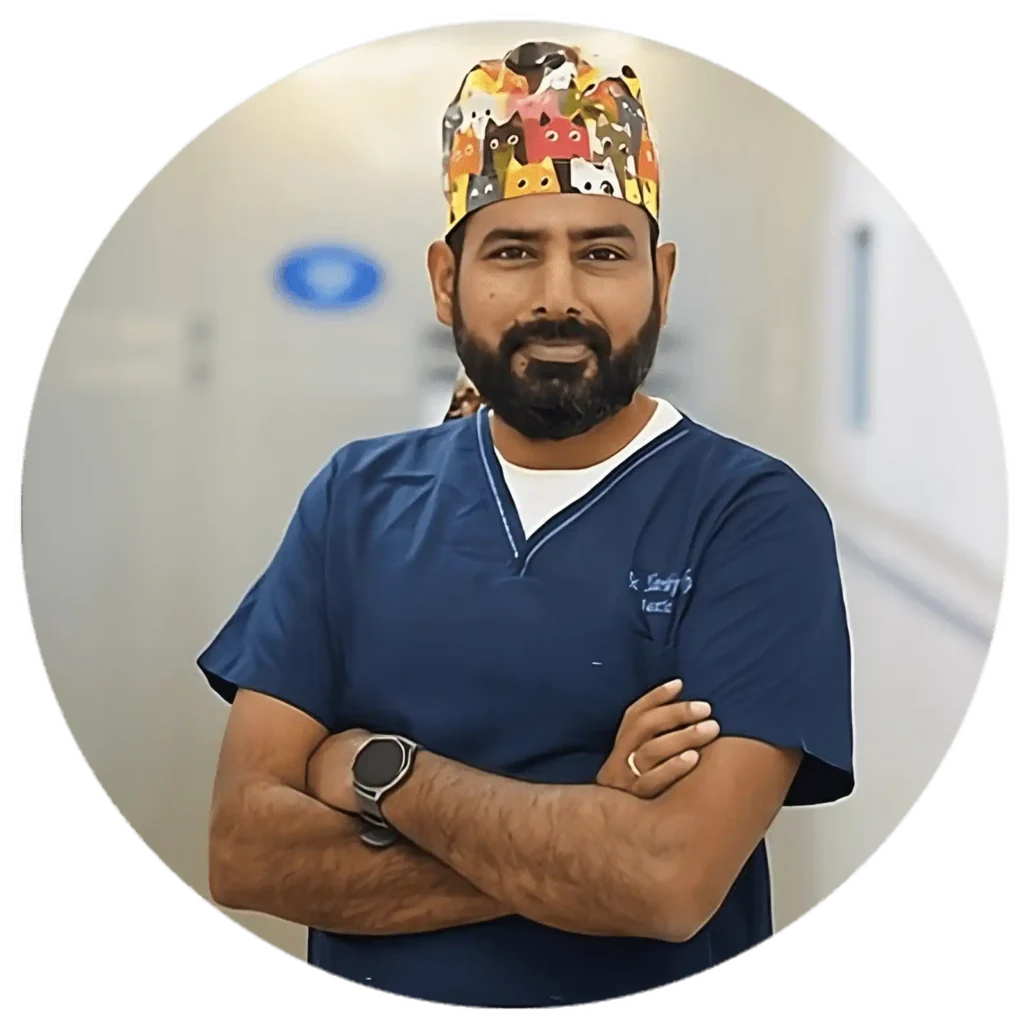
According to Dr Harikiran Chekuri, one of India’s pioneering plastic surgeons and hair transplant specialists, “The consultation outcome is decided by how prepared the patient is. A patient who understands candidacy, realistic timelines, and what surgery cannot do is a patient who makes a clear-eyed decision. That clarity is what produces satisfaction with the result twelve months later.”
What You Need to Know Before the Consultation?
These are the things that determine whether surgery is right for you at all.
- Not everyone qualifies. Donor density, hair loss stability, age, scalp condition, and health status all factor into candidacy. A clinic that never declines a patient is not doing its job. Read Why Patients Get Rejected for Hair Transplant to understand what the clinical disqualifiers are before your consultation
- Your hair loss must be stable. Surgery on an actively progressing loss pattern produces a result that continues to deteriorate. Most surgeons require 12 months of documented stability before operating
- A graft count quoted before examination is a guess. A meaningful number comes only after trichoscopy-based donor density assessment. If a clinic gives you a price before looking at your scalp, that price is not based on your specific case
- Donor supply is finite. Once extracted, follicles are gone from the donor zone permanently. Every graft decision is a permanent one. Overharvesting today limits what is possible tomorrow
- Your qualification should be confirmed by the surgeon who will operate. Not a coordinator, not a technician. The surgeon. Ask directly who performs the trichoscopy, who designs the hairline, and who extracts and implants
- Ask every question you have at consultation. Read Questions to Ask Your Hair Transplant Surgeon before you go so you leave with the information you actually need
What You Need to Know Before Surgery Day?
Preparation directly affects graft survival and recovery.
- Stop blood thinners with physician clearance: Aspirin, warfarin, and other anticoagulants must be paused before surgery under physician supervision. Self-stopping without clearance carries its own risk
- Stop smoking minimum four weeks before: Nicotine constricts blood vessels and impairs graft survival. Most surgeons extend this to six to eight weeks for optimal healing
- Stop alcohol 48 to 72 hours before: Alcohol thins blood and increases bleeding risk during extraction and implantation
- Stop minoxidil two weeks before surgery: unless your surgeon instructs otherwise. Some protocols continue it
- Stop vitamin E, fish oil, and anti-inflammatory supplements one week before: These increase bleeding risk
- Wash your hair normally the morning of surgery: with a gentle shampoo. No styling products, sprays, or oils
- Arrange transport: You will not drive yourself home after a hair transplant. Local anaesthesia does not prevent post-procedural disorientation from the sedation component some clinics use
- Plan your time off: Most patients need three to five days before they are comfortable in public. Plan around that, not around what you hope will happen
- Patients on specific medications including blood thinners can read Hair Transplant on Blood Thinner Medication at Redefine for the full pre-surgical coordination protocol
Why Choose Redefine for Hair Transplant in Hyderabad?
At Redefine Hair Transplant and Plastic Surgery Centre, every patient receives a full pre-surgical briefing covering candidacy, preparation, realistic timelines, and recovery protocol before any procedure date is confirmed. Dr Harikiran Chekuri brings over 20 years and more than 20,000 procedures to every case. He is a Gold Medallist in Plastic Surgery from NTR University of Health Sciences, Paul Harris Fellow, and Vaidya Siromani awardee 2015. Redefine has been ranked No.1 Plastic Surgery Centre in the Twin States by the Times of India Health Survey for three consecutive years, 2019, 2020, and 2021.
Patients at Redefine do not arrive at surgery underprepared. The clinical team covers every item on this list before the procedure date is set.
Frequently Asked Questions
How long before a hair transplant should I stop smoking?
Minimum four weeks. Most surgeons recommend six to eight weeks for optimal graft survival and wound healing.
Can I take painkillers before a hair transplant?
Avoid aspirin, ibuprofen, and anti-inflammatory medications for at least one week before surgery. These increase bleeding risk. Paracetamol is generally safe but confirm with your surgeon.
How do I know if I am a suitable candidate before the consultation?
You do not know until a trichoscopy-based donor density assessment is done. Online quizzes, photos, and price quotes do not constitute a clinical candidacy assessment.
Do I need to shave my head before a hair transplant?
For standard FUE the donor area is shaved. The recipient area shaving depends on technique and clinic. Unshaven FUE is available for patients who cannot shave for professional or personal reasons but has specific limitations.
Should I continue minoxidil before a hair transplant?
Most surgeons ask patients to stop two weeks before surgery. Some protocols continue it. Follow your surgeon’s specific instruction rather than a general guideline.
References
- Jiménez-Acosta F, et al. An International Expert Consensus Statement Focusing on Pre and Post Hair Transplantation Care. Journal of Dermatological Treatment. 2023.
https://www.tandfonline.com/doi/full/10.1080/09546634.2023.2232065 - Okhovat JP, et al. Hair Transplant: Patient Candidacy, Medical Optimization, and Surgical Considerations. International Journal of Dermatology. 2026.
https://pubmed.ncbi.nlm.nih.gov/40660483/ - StatPearls. Hair Transplantation. NCBI. 2024.
https://www.ncbi.nlm.nih.gov/books/NBK547740/