
A low-cost hair transplant and a premium clinic procedure are not the same surgery at different prices. The price difference reflects who performs the extraction, how grafts are handled between extraction and implantation, what clinical protocol surrounds the procedure, and what happens when something goes wrong. The cheaper number is real. What sits behind it is what patients only discover after surgery.
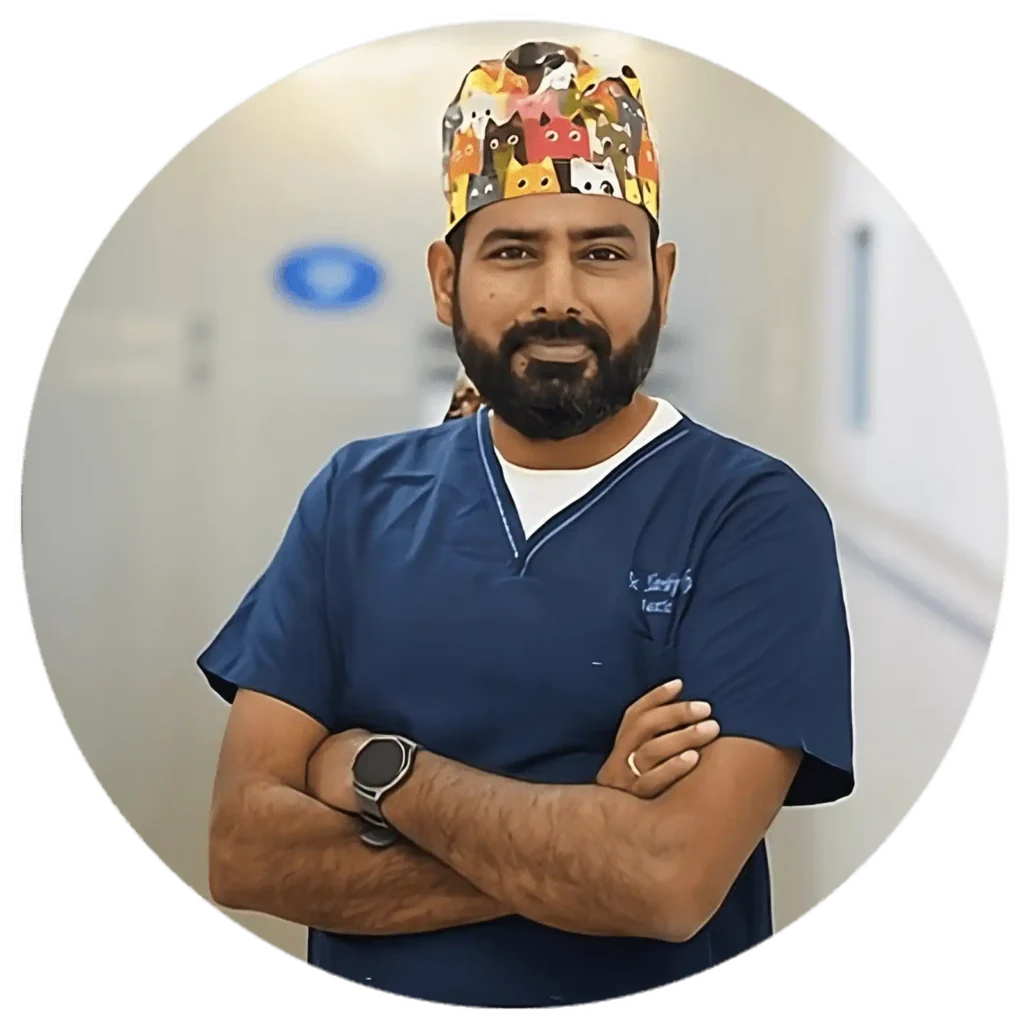
According to Dr Harikiran Chekuri, one of India’s pioneering plastic surgeon, “A lower cost per graft doesn’t tell you who is holding the punch, how grafts are handled between extraction and implantation, or what clinical support exists around the surgery. Those factors determine the result far more than the number does.“
What Do You Actually Give Up at a Low-Cost Hair Transplant Clinic?
Low-cost clinics reduce price by cutting specific parts of the clinical process. Each one directly affects the surgical outcome in ways that only become apparent months after the procedure.
- Surgeon involvement: High-volume low-cost setups typically use trained technicians for extraction and implantation with a doctor’s name on the website but limited hands-on involvement in the actual surgery. Who holds the punch during extraction determines graft survival.
- Graft handling quality: The window between extraction and implantation is critical for follicle viability. Low-cost operations that move patients through quickly compromise this window, reducing the percentage of grafts that actually survive to produce hair.
- Pre-surgical assessment depth: A proper assessment covers scalp trichoscopy, donor density mapping, hair loss progression analysis, and hairline design. Low-cost consultations frequently skip most of these and proceed to a graft count quote without adequate clinical information.
- Hairline design: Natural-looking hairline placement requires clinical judgment about facial structure, age-appropriate positioning, and long-term progression. Poorly designed hairlines placed too low or too symmetrically look obviously surgical and are difficult to correct.
- Post-surgical follow-up: Premium clinics monitor graft survival, growth timeline, and native hair retention through the full twelve-month cycle. Low-cost setups typically discharge patients after the procedure with minimal structured follow-up.
The financial difference between a low-cost and premium procedure looks significant before surgery and looks very different after a poor outcome requires correction. For patients in Hyderabad, Redefine Hair Transplant and Plastic Surgery Center provides transparent cost estimation after a proper scalp assessment rather than a price before a consultation has taken place.
What Does a Premium Clinic Actually Provide That a Low-Cost Clinic Doesn't?
The premium difference is not about branding or facility aesthetics. It is about specific clinical standards that determine whether the surgical outcome holds up at three years and ten years.
- Surgeon-led surgery: Dr. Harikiran Chekuri performs extraction and implantation directly rather than delegating to technicians. The surgeon’s hands-on involvement throughout the procedure is a fundamental difference in outcome quality.
- Graft survival protocol: Advanced graft preservation solutions, temperature-controlled handling, and minimal time outside the body are standards applied at every procedure. These directly affect how many grafts survive to produce permanent hair.
- Scalp-specific surgical plan: Every patient’s graft count, hairline position, and density distribution is planned from their individual trichoscopy and progression assessment rather than a standard template applied uniformly.
- Correction risk: Poor outcomes from low-cost procedures frequently require correction surgery that costs more than the premium procedure would have. Correction surgery is also technically more difficult with less predictable results than a well-executed first procedure.
- Long-term clinical relationship: Premium clinics provide structured follow-up through the full growth cycle with medical therapy recommendations for native hair preservation alongside the surgical result.
The question is not whether the premium cost is high. The question is what the lower cost is actually buying. Read about cost per graft to understand how graft pricing works and what the number does and does not tell you about clinical quality.
A cheaper procedure that needs correction costs more than getting it right the first time.
Why Choose Redefine for Hair Transplant Over a Low-Cost Clinic?
Dr. Harikiran Chekuri is one of India’s pioneering surgeons in hair transplant and every procedure at Redefine is surgeon-led from scalp assessment through extraction, implantation, and post-surgical follow-up, with transparent pricing confirmed after a proper clinical assessment rather than before one.
Patients who come to Redefine Hair Transplant and Plastic Surgery Center receive a surgical plan built around their specific scalp, a graft count based on actual assessment findings, and structured clinical follow-up through the full twelve-month growth cycle.
Frequently Asked Questions
What is the difference between low-cost and premium hair transplant clinics?
The key difference is surgeon involvement, graft handling quality, pre-surgical assessment depth, hairline design precision, and structured post-surgical follow-up, not just the price.
Why do low-cost hair transplant clinics charge less?
Low-cost clinics reduce price by using technicians instead of surgeons for extraction and implantation, shortening assessment processes, and limiting post-surgical follow-up.
Can a low-cost hair transplant be corrected if it goes wrong?
Yes, but correction surgery is more complex and expensive than a well-executed first procedure, often costing more in total than a premium clinic would have charged originally.
How do I know if a hair transplant clinic is genuinely surgeon-led?
Ask specifically who performs extraction and implantation during the procedure. If the answer is vague or the surgeon’s role is limited to consultation only, that is a clear clinical red flag.
REFERENCE LINKS
- International Society of Hair Restoration Surgery: https://www.ishrs.org
- American Academy of Dermatology — Hair Transplant: https://www.aad.org/public/diseases/hair-loss
- PubMed Central — Hair Transplant Outcomes: https://www.ncbi.nlm.nih.gov/pmc
Disclaimer: Reference links are provided solely for academic and clinical context and do not imply endorsement or accountability for third-party medical content.