
Hair transplant after chemotherapy is possible once the body has fully recovered and natural regrowth confirms follicle function has returned. Chemotherapy damages actively dividing cells including hair follicles, and operating before biological recovery is complete produces poor graft survival. The timing question is not about preference. It is about whether the scalp can sustain a transplant.
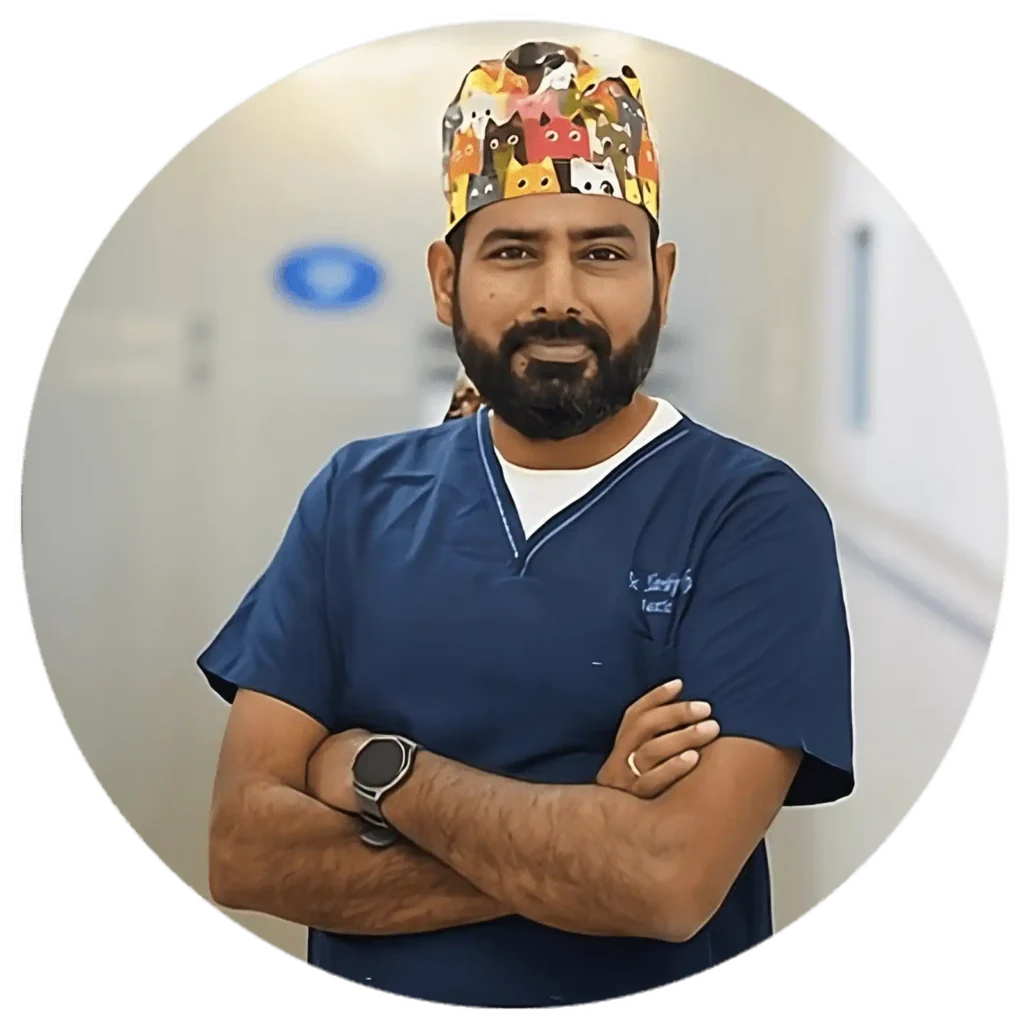
According to Dr Harikiran Chekuri, one of India’s pioneering plastic surgeon, “Chemotherapy-related hair loss is one of the few presentations where the scalp needs to prove it has recovered before surgery is considered. Natural regrowth after treatment is the clearest clinical signal that follicle function has returned and the environment is ready for grafts.“
Why Does Chemotherapy Cause Hair Loss and When Does Recovery Happen?
Chemotherapy targets rapidly dividing cells and hair follicles are among the fastest-dividing in the body. Understanding the recovery sequence determines when surgery becomes appropriate.
- How chemo causes hair loss: Cytotoxic drugs disrupt the anagen phase simultaneously across the scalp, pushing most follicles into premature telogen and producing rapid diffuse shedding that begins two to four weeks after treatment starts.
- Recovery timeline: Most patients see natural regrowth within three to six months of completing chemotherapy as follicles exit the disrupted phase and restart the anagen cycle.
- Post-chemo texture changes: Regrown hair often returns with different texture or curl pattern in the first cycle and these characteristics typically stabilise over twelve to eighteen months.
- When follicles don’t recover: A proportion of patients experience permanent hair loss after chemotherapy, particularly with specific drug protocols, where surgical restoration becomes the appropriate pathway.
- Confirming readiness: Visible natural regrowth across the scalp, clear blood counts, oncologist clearance, and trichoscopy together confirm whether the scalp is surgically ready.
The difference between temporary post-chemo shedding and permanent follicle damage determines the entire treatment plan. For patients in Hyderabad, Redefine Hair Transplant and Plastic Surgery Center assesses post-chemotherapy scalp health as a staged clinical evaluation before any surgical planning begins.
What Changes About Hair Transplant Planning After Chemotherapy?
Post-chemotherapy hair transplant planning differs from standard cases in specific ways and each one directly affects the surgical outcome.
- Minimum waiting period: Most surgeons wait twelve to eighteen months after completing chemotherapy before considering surgery, allowing enough time to confirm natural regrowth and verify systemic recovery.
- Oncologist clearance: Full medical sign-off confirming no active disease, no planned further treatment, and sufficient immune recovery to handle a surgical procedure safely.
- Scalp assessment: Post-chemotherapy scalps can have altered vascularity and uneven follicle density. Trichoscopy identifies which zones have viable follicles before any graft count is planned.
- Donor zone evaluation: Chemotherapy affects follicles across the entire scalp including the donor area. Donor density needs independent trichoscopy assessment rather than assumption based on pre-treatment levels.
- Adjusted surgical plan: Regrowth patterns after chemotherapy are not always predictable at twelve months and the surgical plan must account for ongoing native hair changes rather than treating the scalp as fully stable.
Patients who complete proper pre-surgical assessment after chemotherapy consistently see outcomes that hold over time. Read about best hair loss treatment to understand the full range of options available between completing chemotherapy and surgical restoration.
Recovery first. Surgery when the scalp is ready.
Why Choose Redefine for Hair Transplant After Chemotherapy?
Dr. Harikiran Chekuri is one of India’s pioneering surgeons in hair transplant and approaches post-chemotherapy cases as staged clinical evaluations where oncologist coordination, scalp recovery confirmation, and donor assessment happen before any surgical recommendation is made.
Patients who come to Redefine Hair Transplant and Plastic Surgery Center after chemotherapy receive a full post-treatment scalp assessment identifying whether natural recovery is still possible or surgical restoration is the right next step, with the plan built around that finding.
Frequently Asked Questions
When can I get a hair transplant after chemotherapy?
Most surgeons recommend waiting twelve to eighteen months after completing chemotherapy to allow natural regrowth, systemic recovery, and proper scalp assessment before surgery.
Does hair always grow back after chemotherapy?
Most patients see natural regrowth within three to six months after treatment ends, but a proportion experience permanent follicle damage depending on the drug protocol used.
Can chemotherapy affect the donor area for hair transplant?
Yes, chemotherapy affects follicles across the entire scalp including the donor zone, which needs independent trichoscopy assessment before graft numbers are planned.
What clearance is needed before hair transplant after chemotherapy?
Oncologist sign-off confirming no active disease, completed treatment, and sufficient immune recovery is required alongside scalp assessment before any surgical date is confirmed.
REFERENCE LINKS
- American Cancer Society — Hair Loss from Chemotherapy: https://www.cancer.org/cancer/managing-cancer/side-effects/hair-skin-nails/hair-loss.html
- National Institutes of Health — Chemotherapy and Hair Loss: https://www.ncbi.nlm.nih.gov/pmc
- International Society of Hair Restoration Surgery: https://www.ishrs.org
Disclaimer: Reference links are provided solely for academic and clinical context and do not imply endorsement or accountability for third-party medical content.