Nutrition after a tummy tuck is not optional afterthought it is part of the recovery protocol. Protein rebuilds tissue. Vitamin C supports collagen synthesis. Zinc drives wound repair. Fibre prevents the constipation that strains the abdominal repair. This blog covers exactly what to eat, what to avoid, and how nutrition at each stage of recovery affects the final result.
What you eat in the weeks after a tummy tuck directly affects how quickly the incision closes, how much swelling persists, and whether the repaired abdominal muscle holds.Surgery creates a wound. Healing that wound requires the right raw materials: protein, micronutrients, hydration, and fibre. Patients who eat well after surgery heal faster, experience less wound breakdown, and return to normal activity sooner. Patients who undereat, eat poorly, or become constipated from a low-fibre diet put unnecessary strain on a repair that needs six to twelve weeks to consolidate.
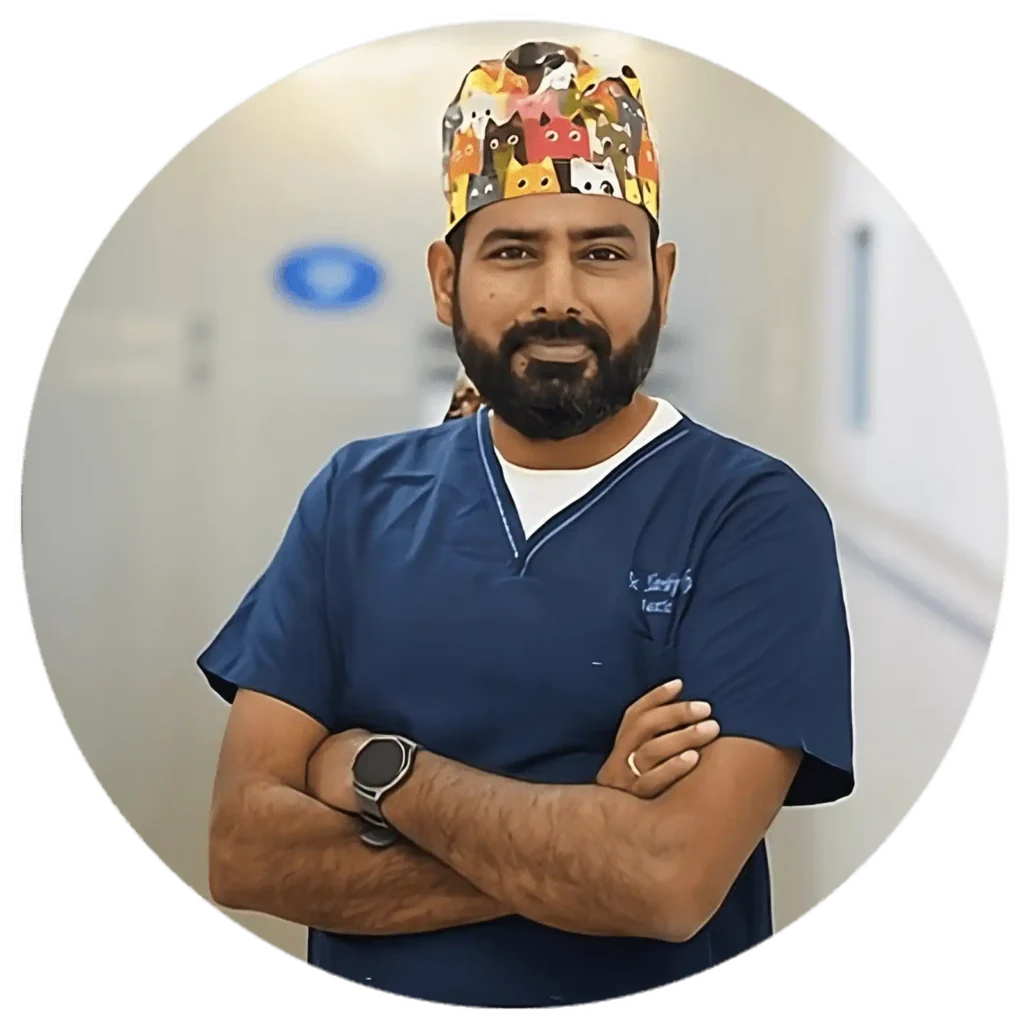
According to Dr Harikiran Chekuri, one of India’s pioneering plastic surgeons, “Nutrition after a tummy tuck is not separate from the surgery. It is part of it. Protein, micronutrients, and hydration are what the body uses to close the wound, repair the muscle, and produce collagen. Patients who get this right heal more predictably and with better scar quality.”
What Are the Real Risks of a Tummy Tuck?
The first two weeks are the most critical window. The wound is actively closing, inflammation is at its peak, and the repaired muscle is most vulnerable to strain.
Protein at every meal: Rebuilds tissue, produces collagen, and maintains immune function. Target 60 to 80 grams per day. Eggs, chicken, fish, paneer, dal, and Greek yoghurt are practical sources. Low protein intake slows healing regardless of everything else.
Vitamin C daily: Required for collagen synthesis. Without it, the wound is structurally weaker during healing. Amla, guava, citrus fruits, and bell peppers are high-yield sources.
Zinc from food or supplement: Drives cell division and wound repair. Found in nuts, seeds, legumes, meat, and dairy. Deficiency slows healing measurably.
High-fibre foods from day two or three: Pain medication and reduced mobility cause constipation. Straining during bowel movements can put pressure on the muscle repair and incision line. Oats, vegetables, fruits, and whole grains prevent this.
Hydration 2.5 to 3 litres per day: Supports every healing process. Dehydration slows bowel motility, reduces tissue perfusion, and impairs immune function. Plain water is the priority.
What to avoid in the first two weeks: Alcohol impairs healing and interacts with pain medication. High-sodium processed foods worsen swelling. Refined sugar in large quantities promotes inflammation. Carbonated drinks cause bloating and discomfort against the repaired abdomen. Patients following tummy tuck surgery at Redefine receive specific dietary guidance as part of their post-operative protocol.
Also read: 3 Week Tummy Tuck Week by Week Recovery
What to Eat From Week Three Onwards and What Affects the Final Result?
From week three, the wound is consolidating, swelling is reducing, and the focus shifts to scar quality and long-term result protection.
Continue high protein: Collagen remodelling continues for three to six months. Protein intake should stay consistent across the full recovery, not just the first two weeks.
Anti-inflammatory foods: Omega-3 from fatty fish, flaxseed, and walnuts reduce chronic inflammation that slows later-stage healing. Turmeric used in cooking has a documented anti-inflammatory effect.
Iron if levels are low: Surgery involves blood loss. Iron deficiency causes fatigue and reduces tissue production capacity. Leafy greens, lentils, meat, and fortified cereals are practical sources. Pair with vitamin C to improve absorption.
Probiotic foods: Antibiotics given around surgery disrupt gut flora. Curd, yoghurt, and fermented foods restore gut health, which supports immune function and recovery.
Scar quality is partly nutritional: Vitamin C, zinc, and adequate protein all influence how the scar matures between three and twelve months. Patients who maintain good nutrition throughout recovery consistently produce better scar quality. This is also why tummy tuck scar outcomes vary between patients with similar surgical technique.
What to continue avoiding: Smoking at any point in recovery. Nicotine reduces oxygen supply to healing tissue and significantly increases wound breakdown and poor scarring. Alcohol for the first six weeks. Heavy processed food that adds sodium and drives persistent swelling.
What to tell your surgeon: Any known nutritional deficiency, current supplements, and your diet before surgery. For patients who had bariatric surgery before their tummy tuck, nutritional requirements are more specific read Tummy Tuck After Bariatric Surgery for the full breakdown.
Why Choose Redefine for Tummy Tuck Surgery in Hyderabad?
At Redefine Hair Transplant and Plastic Surgery Centre, Dr Harikiran Chekuri brings over 20 years and more than 20,000 surgeries to every treatment decision. He is a Gold Medallist in Plastic Surgery from NTR University of Health Sciences, Paul Harris Fellow, and Vaidya Siromani awardee 2015. Redefine has been ranked No.1 Plastic Surgery Centre in the Twin States by the Times of India Health Survey for three consecutive years, 2019, 2020, and 2021.
Every tummy tuck patient at Redefine leaves with a complete post-operative protocol that includes dietary guidance, activity timelines, wound care instructions, and a follow-up schedule. Recovery is planned before the operation, not improvised after it.
Frequently Asked Questions
What is the most important nutrient after a tummy tuck?
Protein. It provides the amino acids needed to rebuild tissue, produce collagen, and maintain immune function. Target 60 to 80 grams per day minimum throughout the full recovery period.
Can I eat normally after a tummy tuck?
From day two or three, yes with adjustments. High protein, high fibre, high hydration, and low sodium foods are the priority. Alcohol, carbonated drinks, and heavily processed food should be avoided for the first six weeks.
Why does constipation matter after a tummy tuck?
Straining to pass stool creates abdominal pressure that pulls directly on the muscle repair and incision line. High-fibre foods and adequate hydration from day two or three prevent this.
Does nutrition affect tummy tuck scar quality?
Yes. Vitamin C, zinc, and protein all contribute to collagen synthesis and scar maturation. Patients who maintain good nutrition throughout recovery consistently produce better scar quality than those who only eat well in the first two weeks.
When can I drink alcohol after a tummy tuck?
Most surgeons advise avoiding alcohol for a minimum of six weeks post-surgery. Alcohol impairs healing, increases bleeding risk, and interacts with pain medication in the early recovery period.
Reference
- MacKay D, Miller AL. Nutritional support for wound healing. Altern Med Rev. 2003;8(4):359–377.
https://pubmed.ncbi.nlm.nih.gov/14653765/ - Early Protein Supplementation Enhances Wound Healing and Reduces Complications Following Abdominoplasty
https://pubmed.ncbi.nlm.nih.gov/41661261/ - Impact of Nutrition on Skin Wound Healing and Aesthetic Outcomes: A Comprehensive Narrative Review
https://pubmed.ncbi.nlm.nih.gov/38370002/