

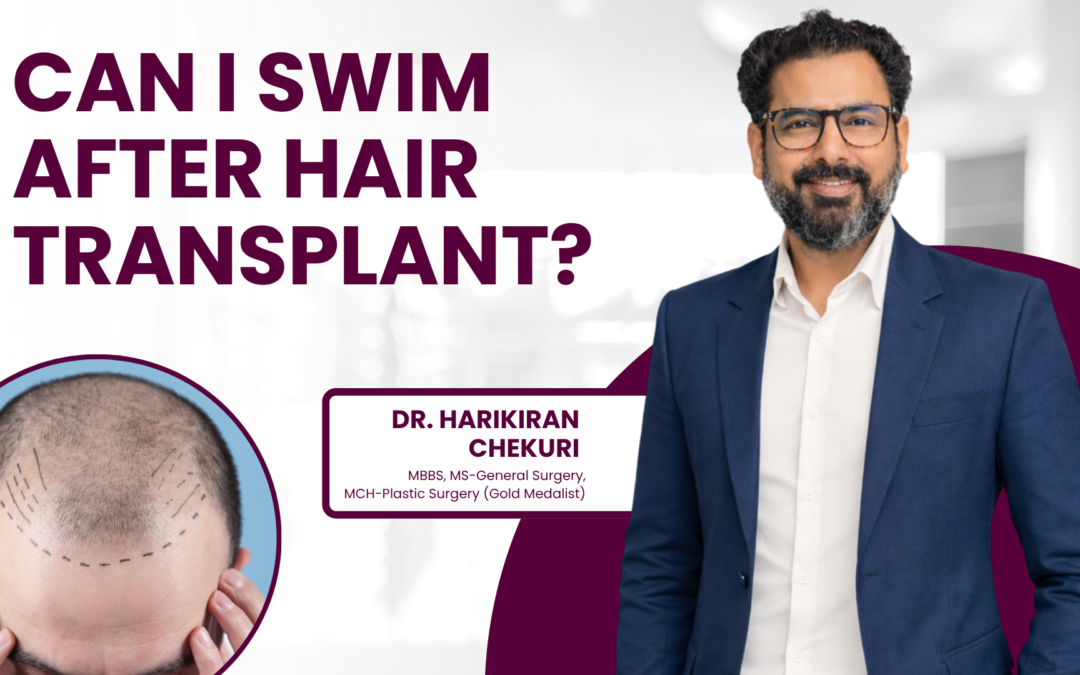
Can I Swim After Hair Transplant?
Swimming after a hair transplant is fine, but only once the grafts have fully settled and the scalp has healed. Most surgeons advise waiting at least four weeks before pool swimming and slightly longer for the sea, since chlorine and salt water can irritate healing...
Will a Hair Transplant Look Natural?
A well-executed hair transplant is undetectable. The result depends on the surgeon’s approach to hairline design, graft angle, density distribution, and matching new growth to existing hair. When those elements are right, the transplant looks like hair that...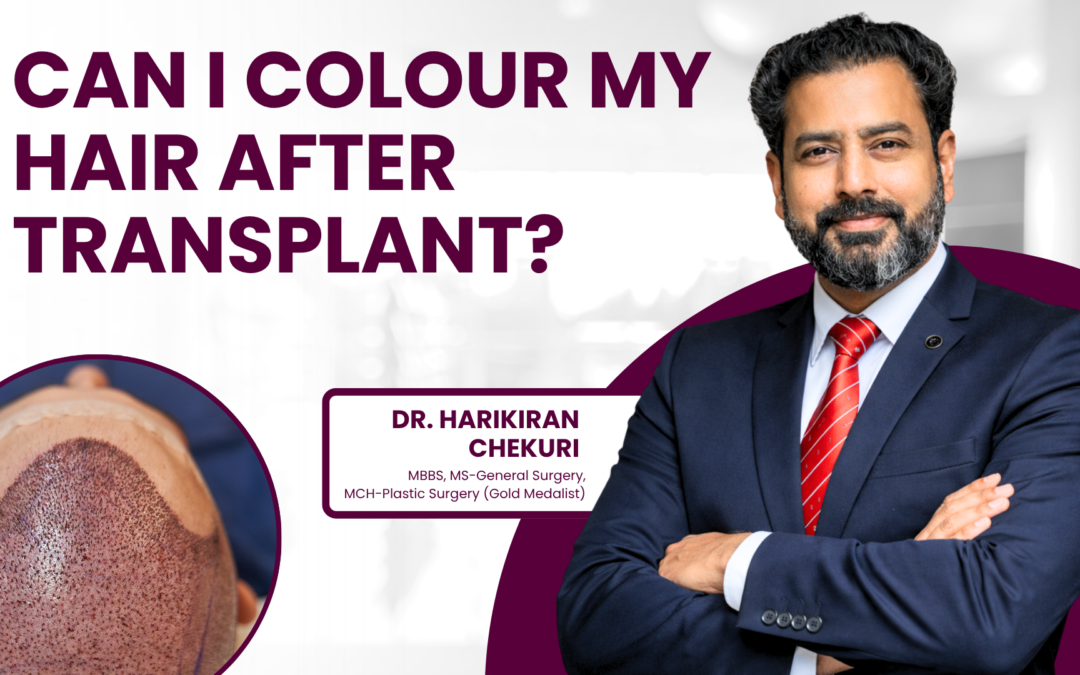
Can I Colour My Hair After Transplant?
Colouring after a hair transplant is fine, but only once the scalp has fully healed and the grafts are secure. Most surgeons advise waiting at least four to six weeks before any colour touches the transplanted area, since the chemicals in dye can irritate healing skin...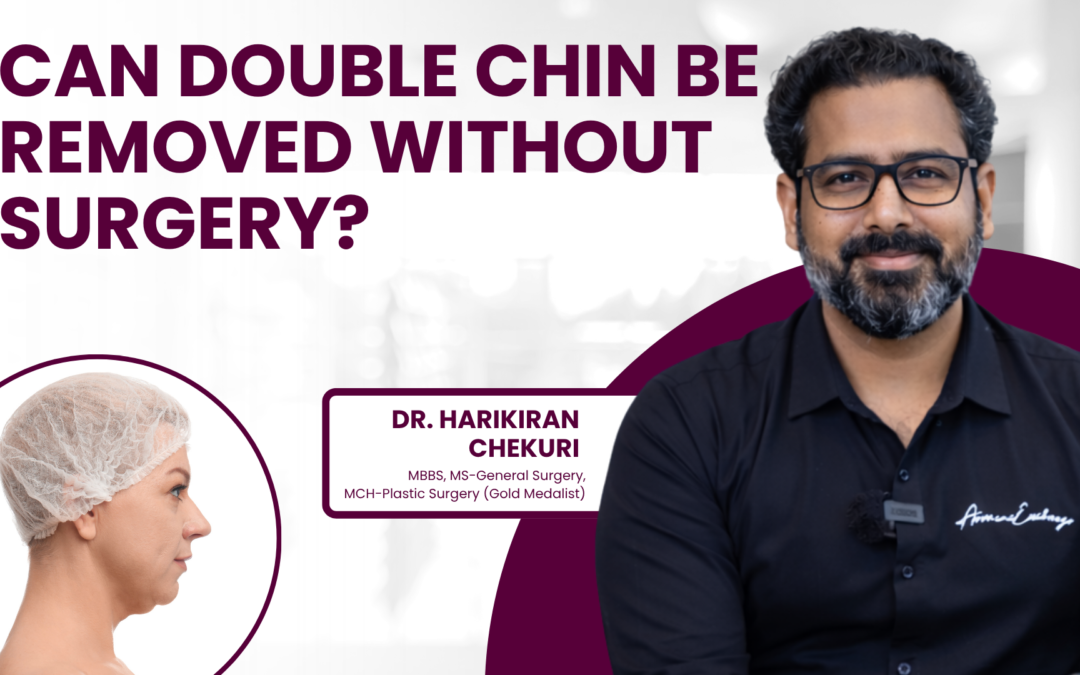
Can Double Chin Be Removed Without Surgery?
A double chin can be reduced without surgery, but the outcome depends on the cause and how much submental fat is present. HIFU, cryolipolysis, and fat-dissolving injections have clinical evidence behind them and work well for mild to moderate cases. They don’t...
MEDICALLY REVIEWED BY

Dr. Harikiran Chekuri
MBBS, MS – General Surgery, MCh-Plastic Surgery (Gold Medalist)
Plastic Surgeon, Hair Transplant Surgeon , Longevity & Peptide Expert