Greying happens when the cells that produce pigment in your follicles slow down or die off. If they’re still there but dormant, certain peptides can wake them up. If they’re gone, that’s it. GHK-Cu, the copper-binding peptide with the most research behind it, targets oxidative damage and pigment gene expression. Results exist. They just don’t apply to everyone equally.
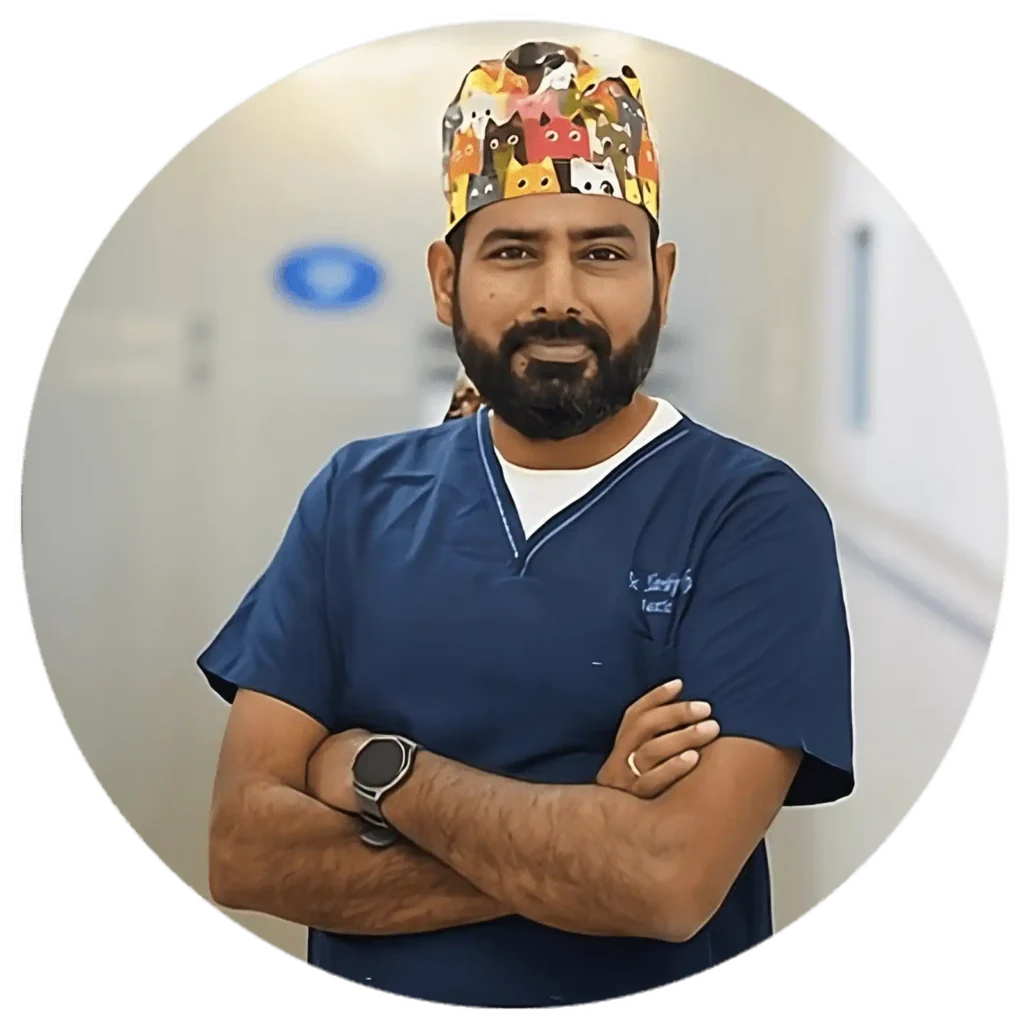
According to Dr Harikiran Chekuri, one of India’s pioneering plastic surgeon, “Peptide therapy for grey hair is a genuinely interesting area with real biological rationale behind it. GHK-Cu’s ability to reduce oxidative damage at the follicle level is well established. Whether that translates to visible repigmentation depends entirely on how far the melanocyte depletion has progressed. Early grey responds. Hair that has been white for years, where the melanocytes are gone, doesn’t.”
How Do Peptides Influence Hair Pigmentation?
Peptides influence hair pigmentation through specific biological mechanisms. Here’s what each one does.
- GHK-Cu reduces oxidative damage: Hydrogen peroxide builds up in ageing follicles and bleaches hair from the inside out. GHK-Cu upregulates antioxidant enzymes that clear it, and melanocytes that survive long enough to function are the ones that produce pigment again.
- Tyrosinase gene activation: Tyrosinase, TYRP1, and DCT drive melanin production. GHK-Cu switches them back on in follicles with viable cells. Without the cells, none of that gene activity changes anything.
- Melanocyte stem cell support: GHK-Cu fires Wnt signalling, which tells melanocyte precursors to repopulate the follicle. Think of it as a restart rather than a repair. Who responds depends on what’s still there to restart.
- Improved follicle microcirculation: Peptides push angiogenesis around follicles. Blood flow matters more than most people expect. A melanocyte that can’t get nutrients won’t produce pigment regardless of what signals it receives.
- Proteoglycan peptides and MITF expression: New research shows measurable MITF recovery in human melanocytes with disrupted Wnt signalling. It’s early work, but the direction matches the GHK-Cu data. They’re pointing the same way.
The mechanism holds. The limit is biology, not the peptide. For patients in Hyderabad, Redefine Hair Transplant and Plastic Surgery Center assesses melanocyte status and greying timeline before recommending a peptide protocol for pigmentation.
Who Is a Realistic Candidate for Peptide Therapy for Grey Hair?
Peptide therapy for grey hair isn’t for everyone. The biology determines who responds. Here’s who fits the profile.
- Early-onset greying: Premature grey in your twenties or thirties usually comes from oxidative stress, not total melanocyte loss. That’s exactly the profile peptides address best.
- Recent greying, not long-established white hair: Hair that went grey in the last few years probably still has dormant melanocytes. Twenty-year-old white hair is a different biology entirely.
- Stress or nutritionally driven greying: Fixing the root cause alongside the protocol changes what’s achievable. Running peptide treatment on top of ongoing stress or deficiency consistently underperforms.
- Patients without complete follicle depletion: This is the one thing worth confirming before anything else. A clinical assessment tells you whether viable melanocyte populations are still present.
- Patients who’ll commit to a full protocol: Three to six months minimum before anything visible happens. Hair growth cycles don’t speed up for anyone. Expecting early results is how patients end up disappointed.
The best outcomes come from the right biological match, not just the right compound. Read our previous blog on Peptides for Hair Loss to understand how these same mechanisms work across hair density and pigmentation together.
Repigmentation is possible. Knowing which cases qualify is what matters.
Why Choose Redefine for Peptide Therapy in Hyderabad?
Dr. Harikiran Chekuri is one of India’s pioneering surgeons offering Peptide Therapy in Hyderabad, and at Redefine no peptide protocol for grey hair starts without a full clinical picture covering melanocyte status, greying timeline, oxidative markers, and lifestyle factors, because prescribing peptides before understanding the biology behind someone’s specific pattern of greying is the fastest route to a protocol that delivers nothing, and that standard of assessment has held across thousands of cases here.
At Redefine Hair Transplant and Plastic Surgery Center, patients find out whether their greying actually makes them a candidate before money changes hands or a protocol begins, not after.
Frequently Asked Questions
Can peptide therapy reverse grey hair?
In cases where melanocytes are dormant rather than depleted, yes. GHK-Cu reactivates pigment gene expression and clears the oxidative damage driving melanocyte shutdown. Long-established white hair, where the cells are already gone, responds poorly.
Which peptide works best for grey hair?
GHK-Cu. It handles oxidative damage, switches melanin production genes back on, and supports melanocyte precursor activity. Nothing else in the peptide category has comparable evidence for hair pigmentation specifically.
How long before peptide therapy shows visible results on grey hair?
Hair growth cycles run on their own schedule. Three to six months of consistent protocol is the realistic window before repigmentation becomes visible. Anyone expecting faster than that hasn’t been given straight expectations.
How much does peptide therapy cost at Redefine?
Priced on the protocol, compounds used, and monitoring frequency. The full cost gets confirmed at consultation after assessment, not before.
References
-
- PubMed Central: GHK-Cu Peptide Hair Growth and Follicle Regeneration: https://www.ncbi.nlm.nih.gov/pmc
- American Academy of Dermatology: Hair Loss and Pigmentation Research: https://www.aad.org
- International Society of Aesthetic Plastic Surgery: Regenerative Medicine: https://www.isaps.org