
Peptide therapy helps sleep and recovery by nudging the body to release more of its own growth hormone during deep sleep, which is when most physical repair gets done. Some peptides push you further into slow-wave sleep, and that’s the stage where tissue rebuilds and the nervous system finally resets. Get the sleep right and the recovery usually comes with it.
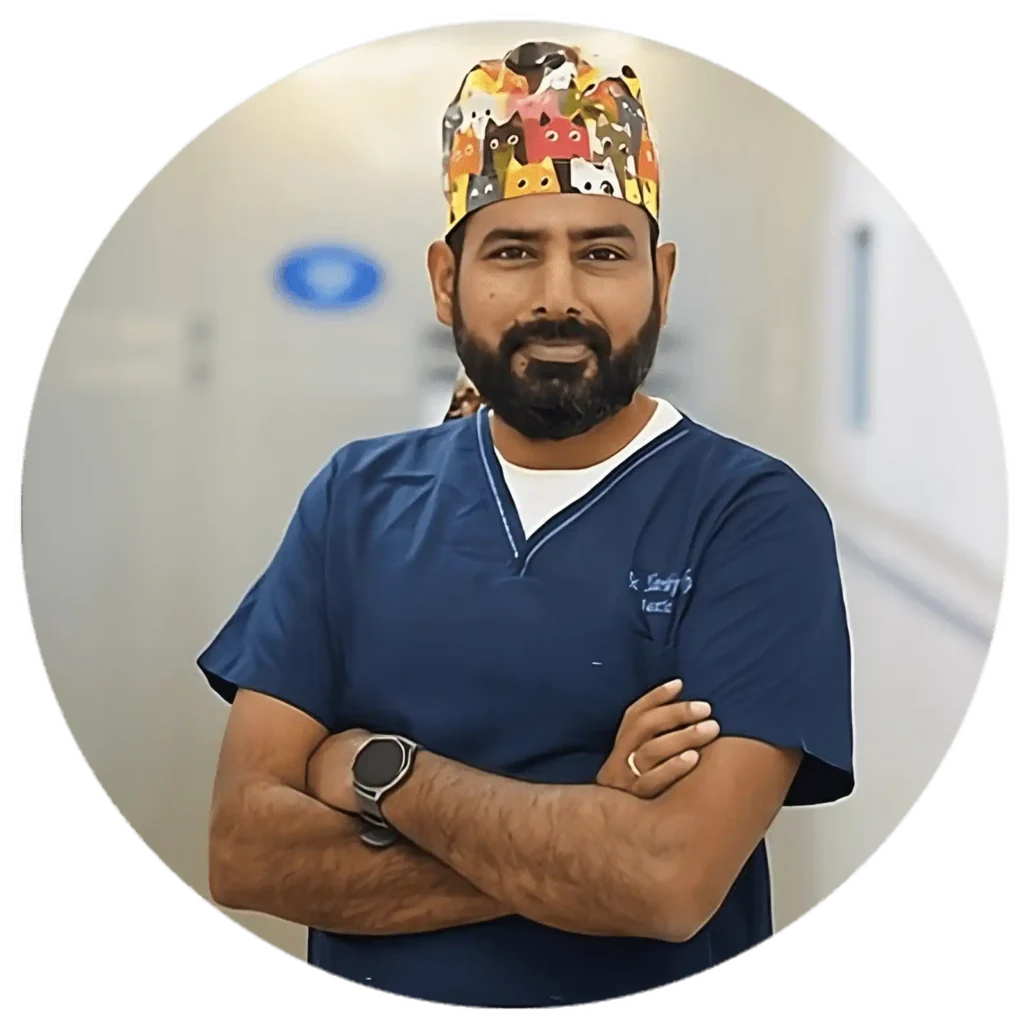
According to Dr Harikiran Chekuri, one of India’s pioneering plastic surgeon, “Sleep is where recovery actually happens, and most people underestimate how much their poor sleep is costing their body. The right peptide protocol works with the body’s own repair cycle rather than overriding it. But it only works when it’s properly assessed and supervised, not self-prescribed.”
Which Peptides Support Better Sleep and Recovery?
A handful of peptides do most of the work, and each one gets there a different way. That’s exactly why a protocol is built around the person rather than handed out as a fixed formula.
- CJC-1295: Raises natural growth hormone over a steady, extended window, which translates into deeper sleep and stronger overnight repair.
- Ipamorelin: Fires a clean growth hormone pulse without dragging cortisol up with it, so recovery moves along without disturbing sleep.
- BPC-157: This is the soft-tissue specialist, repairing tendons and muscle by improving blood supply, and hard-training bodies feel it first.
- TB-500: Where localised treatments stop, this one keeps going, reaching inflammation and damage across the whole body rather than a single spot.
- DSIP: Acts straight on sleep itself, lengthening and steadying the deep phase so the hours you get are genuinely restorative.
There’s no peptide that fits everyone, and that’s the entire reason assessment comes first. For patients in Hyderabad, Redefine Hair Transplant and Plastic Surgery Center maps every protocol to the individual before anything is prescribed.
Why Does Sleep Quality Matter So Much for Recovery?
Hard training and injury break the body down. Sleep is when it puts itself back together, so cutting it short stalls everything else you’re working for.
- Hormone release: Deep sleep is when most growth hormone is secreted. Lose those hours and tissue repair slows right along with it.
- Tissue repair: The overnight stretch is when muscle, tendon, and ligament actually rebuild. Sleep badly and that work is left half-done.
- Nervous system reset: A deep night clears the fatigue that piles up across hard days. Skip it and performance keeps drifting downward.
- Inflammation control: Proper rest pulls inflammatory markers back down. Run short night after night and they stay high.
- Mental recovery: Focus, mood, and motivation reset with good sleep too, and once those slip, sticking to any plan gets difficult.
Sort the sleep out and recovery tends to take care of itself. Read about peptides for athletic performance to see how recovery protocols fit into a wider performance plan.
Sleeping badly and recovering slowly? It may be worth a proper look.
Why Choose Redefine for Sleep and Recovery Peptide Therapy?
Dr. Harikiran Chekuri is one of India’s pioneering surgeons in hair transplant, and he runs peptide therapy as a supervised protocol built on pharmaceutical-grade formulations and a full biological assessment, not a one-size box pulled off a shelf.
At Redefine Hair Transplant and Plastic Surgery Center, every patient starts with bloodwork and a recovery assessment before a protocol is set, so the peptides chosen actually match how that person sleeps, trains, and heals.
Frequently Asked Questions
Can peptides really improve sleep?
Yes, certain peptides deepen slow-wave sleep and support natural growth hormone release, which improves overnight repair.
How long do peptides take to improve recovery?
Most patients notice better sleep within a few weeks, with recovery gains building over the following months.
Are sleep and recovery peptides safe?
They are safe when prescribed and monitored clinically after proper assessment, but not when self-sourced or unsupervised.
Do I need a doctor for peptide therapy?
Yes, peptide protocols need bloodwork and supervision to confirm suitability, dosing, and safety for the individual.
-
REFERENCE LINKS
- National Institutes of Health — Sleep and Growth Hormone: https://www.ncbi.nlm.nih.gov/pmc
- Sleep Foundation — Deep Sleep and Physical Recovery: https://www.sleepfoundation.org/stages-of-sleep/deep-sleep
- World Health Organization — Healthy Sleep: https://www.who.int