
Most patients walk into a hair transplant consultation underprepared and make a decision based on price, photos, and how confident the clinic sounds. The questions you ask before agreeing to surgery are what separate a good outcome from one that needs correction. A surgeon who answers these clearly and directly is giving you the information you need to make the right call.
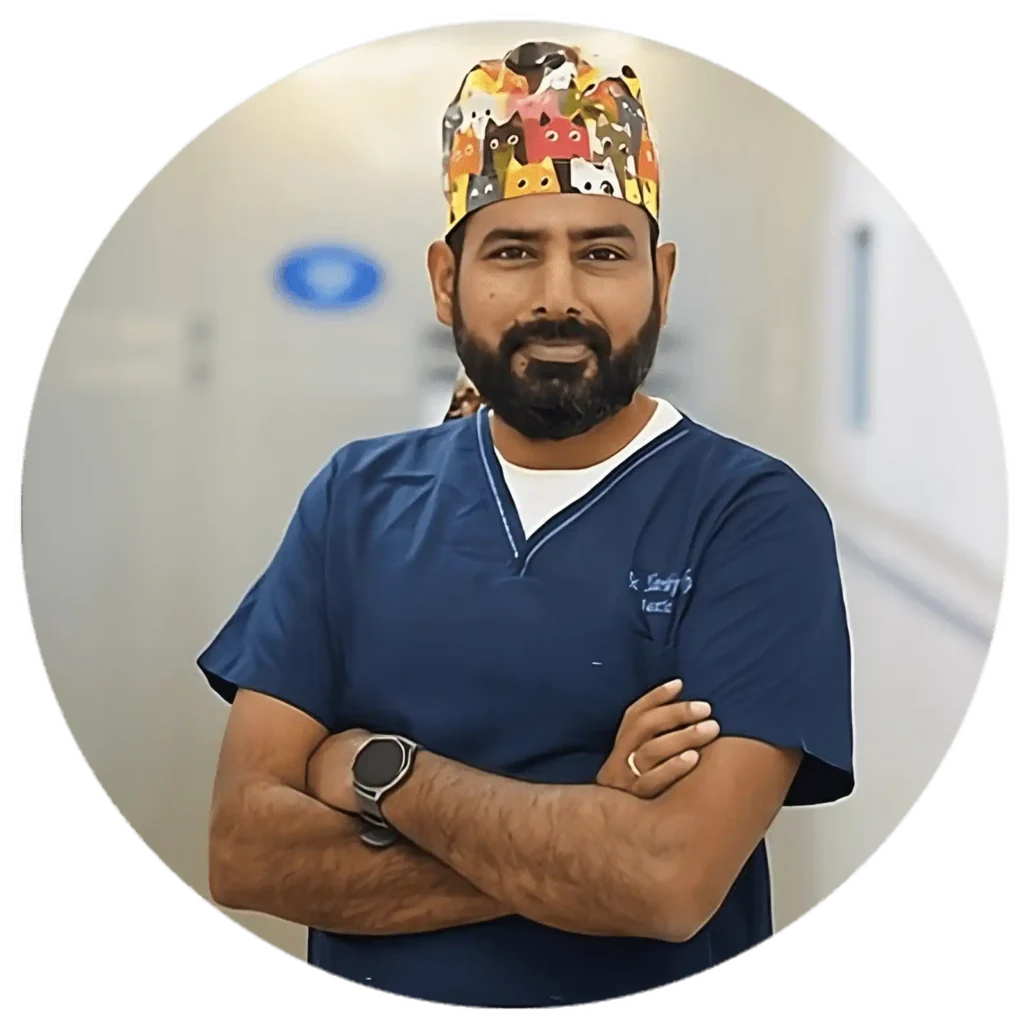
According to Dr Harikiran Chekuri, one of India’s pioneering plastic surgeon, “The consultation is where the outcome is decided. A patient who asks the right questions gets the information needed to choose the right surgeon. A patient who doesn’t ask is relying entirely on what the clinic chooses to tell them, and that is rarely the complete picture.“
What Questions Reveal Whether a Surgeon and Clinic Are the Right Choice?
These are not difficult questions and a good surgeon answers all of them without hesitation. Vague, defensive, or evasive answers to any of these tell you more than a confident presentation does.
- Who actually performs extraction and implantation? The surgeon’s name on the website and the hands that hold the punch during surgery are not always the same person. Ask directly. If the answer involves technicians doing the actual work, that is the answer.
- How many procedures has this surgeon personally performed? Volume and experience are not the same as a clinic’s total procedure count. You want the number for the individual who will be in the room during your procedure, not the clinic’s aggregate marketing figure.
- What technique will be used and why is it right for my specific case? A surgeon who recommends a technique before properly assessing your scalp is fitting you to a protocol rather than building a protocol around you.
- What does my hair loss progression look like and how does the surgical plan account for it? The right surgical plan addresses where your pattern is heading over the next ten years, not just what the scalp looks like today.
- What happens if I am not satisfied with the result at twelve months? How a clinic handles poor outcomes tells you everything about how seriously they take the result. A clear, committed answer here is a strong clinical signal.
These questions are not confrontational. They are the minimum standard of information a patient needs before agreeing to a permanent surgical procedure. For patients in Hyderabad, Redefine Hair Transplant and Plastic Surgery Center answers all of these at every consultation before any procedure is discussed.
What Questions Should You Ask About the Procedure Itself Before Agreeing?
Beyond surgeon credibility, the clinical specifics of your procedure need to be clearly established before you sign off. These questions confirm whether the plan is built around your scalp or around the clinic’s standard offering.
- How many grafts do I actually need and how was that number determined? A graft count quoted before trichoscopy is a guess. The number should come from a proper scalp assessment and be explained in terms of your specific hair loss stage and density targets.
- What is a realistic density outcome from this number of grafts? Full coverage density and natural-looking coverage are different things. Understanding what the planned graft count can realistically achieve protects against post-surgical disappointment.
- What post-surgical medical therapy do you recommend and why? A surgeon who sends you home with no plan for managing native hair loss after surgery is treating the transplant as the endpoint rather than part of a long-term restoration strategy.
- What does the follow-up schedule look like after surgery? Graft survival, native hair retention, and early complication identification all depend on structured follow-up. A clinic that goes quiet after surgery is a risk.
- Can I see documented case outcomes at six months and twelve months? Before and after photos taken immediately post-surgery are not outcome evidence. Results at six months and twelve months from real cases are what confirm the clinic’s actual output quality.
The answers to these questions are what a proper pre-surgical consultation produces. Read about best hair transplant clinic to understand what separates genuinely good clinics from those that look good on screen but deliver differently in the room.
Ask every question. The right surgeon welcomes all of them.
Why Choose Redefine for Your Hair Transplant Consultation?
Dr. Harikiran Chekuri is one of India’s pioneering surgeons in hair transplant and every consultation at Redefine covers surgeon involvement, technique selection rationale, graft count based on actual trichoscopy, progression planning, and post-surgical medical therapy before any procedure date is discussed.
Patients who come to Redefine Hair Transplant and Plastic Surgery Center leave the consultation with a complete clinical picture of their case, a surgical plan specific to their scalp, and a clear understanding of what the result will look like at twelve months.
Frequently Asked Questions
What is the most important question to ask a hair transplant surgeon?
Ask who performs extraction and implantation during surgery. If the answer is technicians rather than the surgeon, that single fact changes the quality of what you are paying for.
How do I know if a hair transplant clinic is trustworthy?
Ask for documented case outcomes at six and twelve months, clear answers on surgeon involvement, and a structured post-surgical follow-up plan. Clinics that answer all three clearly are worth taking seriously.
Should I get a second opinion before a hair transplant?
Yes, particularly if the graft count was quoted without a trichoscopy assessment, the technique was recommended without explaining why it fits your specific case, or the consultation was very brief.
What should a proper hair transplant consultation include?
Scalp trichoscopy, donor density assessment, hair loss progression evaluation, hairline design discussion, realistic density expectation setting, and post-surgical care planning before any procedure is agreed.
REFERENCE LINKS
- International Society of Hair Restoration Surgery: https://www.ishrs.org
- American Academy of Dermatology — Hair Transplant: https://www.aad.org/public/diseases/hair-loss
- PubMed Central — Hair Transplant Outcomes: https://www.ncbi.nlm.nih.gov/pmc
Disclaimer: Reference links are provided solely for academic and clinical context and do not imply endorsement or accountability for third-party medical content.