
Diabetes doesn’t automatically close the door on hair transplant surgery. But it does change what the door looks like to get through it. Blood sugar that isn’t under control makes wounds heal slowly, raises infection risk at both donor and recipient sites, and puts grafts under stress during the most critical days after placement. Get the numbers stable, get proper medical sign-off, and the surgery becomes genuinely safe with real results waiting on the other side.
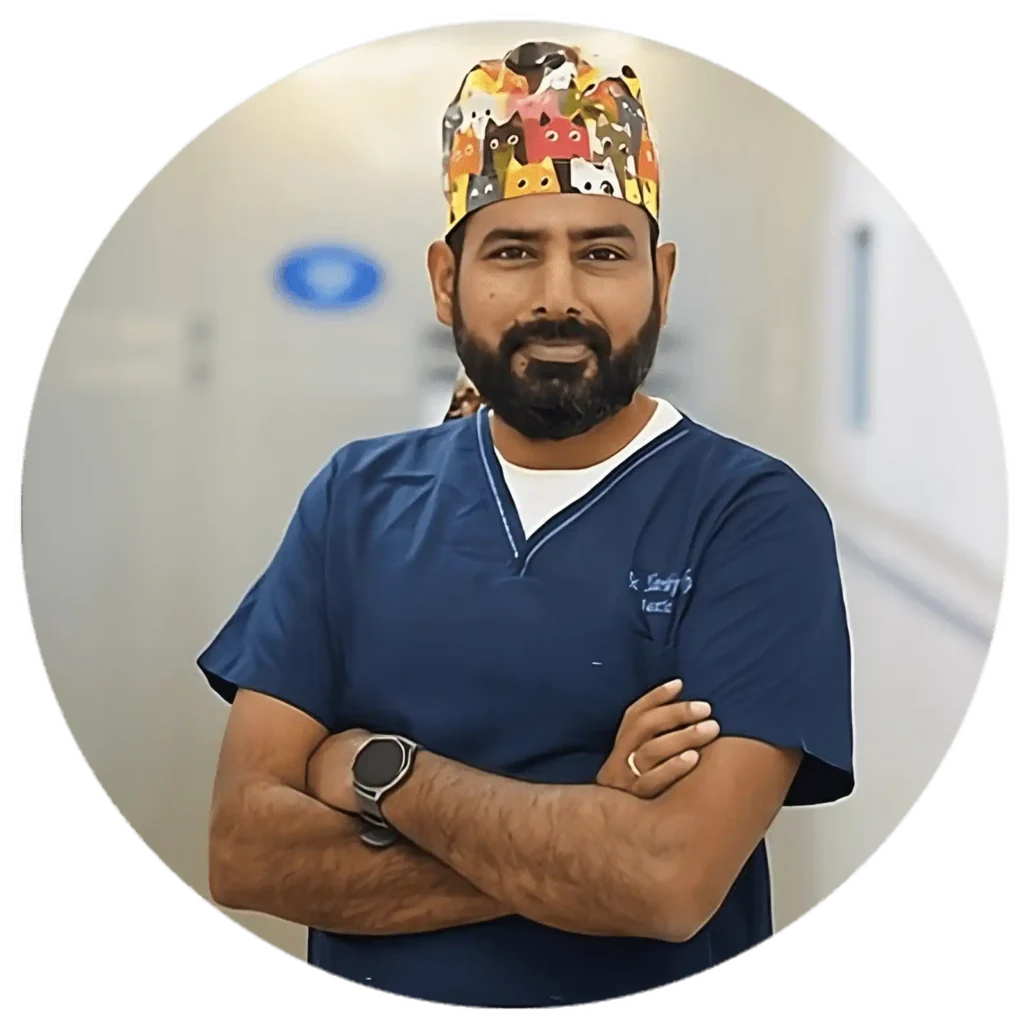
According to Dr Harikiran Chekuri, Hair Transplant Surgeon in Hyderabad, “Diabetes isn’t a barrier to hair transplant surgery. Controlled blood sugar, proper pre-surgical assessment, and experienced surgical hands make the difference between a risky procedure and a safe, successful one.”
What Are the Real Risks of Hair Transplant for Diabetic Patients?
The risks exist and glossing over them helps nobody. But every single one of them has a management pathway when the right preparation happens beforehand.
- Wounds close slower than normal: High blood sugar slows skin repair significantly. Donor and recipient sites both take longer to heal and need closer monitoring for longer than a non-diabetic patient requires.
- Infection finds its way in faster: A compromised immune response means post-surgical sites are more vulnerable. Any small gap in aftercare discipline can escalate quickly in a diabetic patient.
- Graft survival gets unpredictable with unstable glucose: Blood flow to the scalp drops when glucose levels swing around. Those first days after graft placement are exactly when consistent blood flow matters most.
- Scalp sensation behaves differently: Diabetic neuropathy changes how the scalp feels and responds. That affects anaesthesia planning and how the experience of the procedure actually unfolds for the patient.
None of these make surgery impossible. They make preparation non-negotiable. For patients managing diabetes who want to explore this properly, Redefine Hair Transplant and Plastic Surgery Center runs full pre-surgical health reviews on every complex medical case before a single procedure date gets confirmed. Learn more about hair transplant or read about does protein deficiency cause hair loss to understand how overall body health directly shapes hair restoration outcomes.
How Should Diabetic Patients Prepare for a Safe Hair Transplant?
The surgery itself is rarely the hard part for diabetic patients. Getting the body into the right condition before it happens is where the real work sits.
- HbA1c below 7.5 before any surgical date is set: That’s the number surgeons look at. Above it and complication risk across every part of the process climbs fast. Below it and the conversation changes completely.
- Proper physician sign-off, not just a note: A real review from your doctor confirming diabetes is genuinely well managed. Not a quick call. An actual clinical confirmation that the condition is under control.
- Every medication disclosed well before surgery day: Some diabetic medications affect bleeding and healing in ways that require surgical planning adjustments. Your surgeon needs the complete list early, not on the day.
- Post-surgery care treated as part of the procedure: Wound monitoring, glucose tracking, strict hygiene discipline. For diabetic patients this isn’t optional afterthought territory. It’s where the result gets protected or lost.
Get this preparation right and the difference between a complicated recovery and a smooth one becomes very clear very fast. Reading about does high testosterone cause hair loss shows how hormonal health connects to hair loss in ways that matter when planning treatment for diabetic patients specifically.
Book your consultation today to explore how Hair Transplant can restore natural hairlines, improve hair density, and deliver long-term hair growth results.
Why Choose Redefine for Hair Transplant?
Dr. Harikiran Chekuri has performed over 20,000 surgeries and has handled complex medical cases including diabetic patients consistently across a career spanning more than two decades. At Redefine nothing gets assumed and nothing gets rushed. Every diabetic case goes through a thorough pre-surgical health review before any procedure gets planned.
The team here works directly with patients and their physicians to confirm blood sugar is stable, risks are properly understood, and the surgical environment is as controlled as it can be made. Diabetic patients get results at Redefine. But they get them safely. And that order of priority never changes here.
📞 Call Now: +91 92371 23456
Frequently Asked Questions
Can a diabetic patient safely get a hair transplant?
Yes, with stable blood sugar and proper medical clearance from their physician beforehand.
What HbA1c level is safe before hair transplant surgery?
Below 7.5 is the target surgeons look for before confirming any surgical date.
Does diabetes make hair transplant recovery take longer?
Yes, healing is slower so post-surgical care needs much closer attention throughout.
Can diabetes itself cause hair loss?
Yes, poor circulation and hormonal shifts from diabetes both contribute directly to thinning.