Longevity in 2026 is no longer measured by lifespan alone—it is measured by clarity of thought, emotional stability, independence, and dignity. As populations age globally, preserving cognitive health has become one of the most critical pillars of modern longevity medicine. Among neurodegenerative disorders, Alzheimer’s disease stands at the forefront, challenging families, caregivers, and healthcare systems alike.
While conventional treatments largely focus on slowing symptom progression, precision-driven longevity medicine is now exploring supportive strategies that work at a cellular and neurological level. One such emerging innovation is the use of peptide nasal sprays—a non-invasive approach being evaluated for brain health optimization and neuro-support.
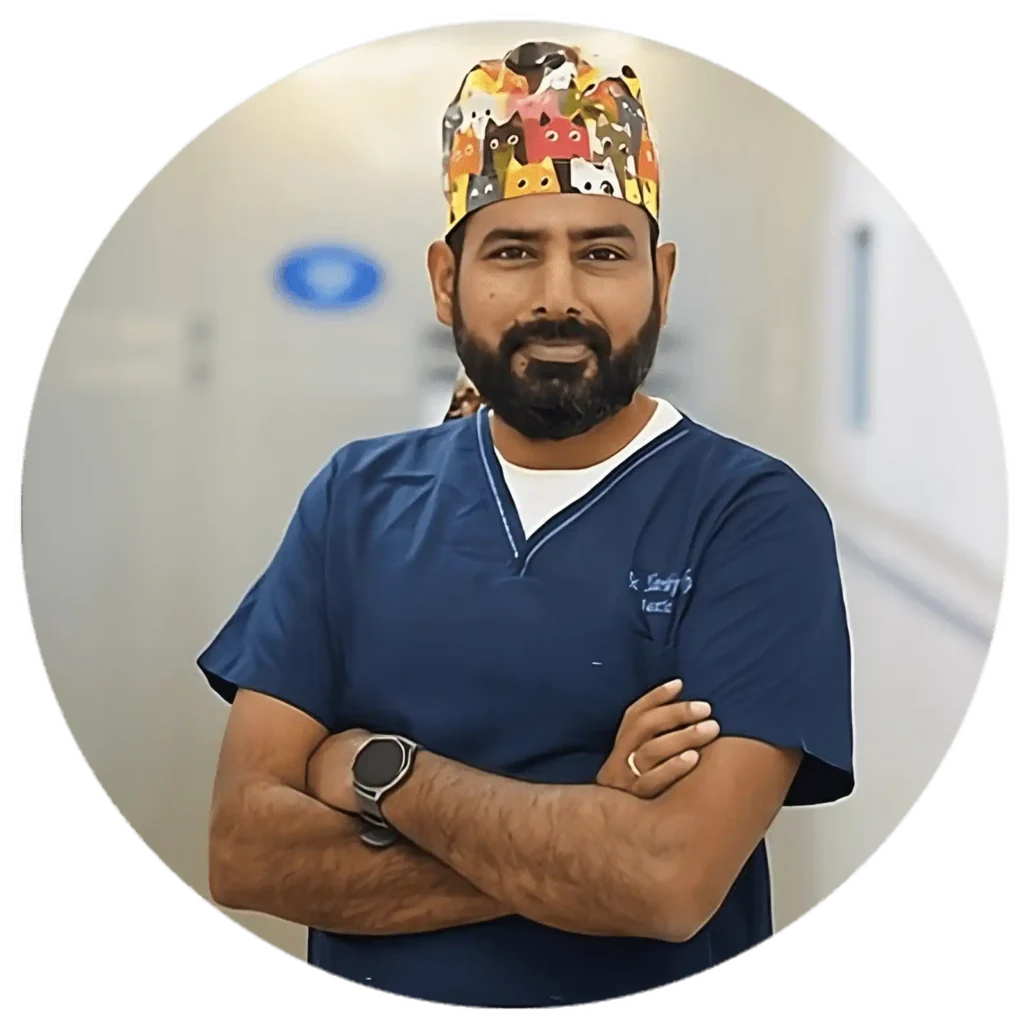
At Redefine, Dr. Harikiran Chekuri, a leading expert associated with advanced regenerative and aesthetic medicine and widely recognized as a plastic surgeon in Hyderabad, longevity must be addressed holistically:
“True longevity medicine is about preserving function—whether it’s the brain, the body, or the sense of self. When cognitive health declines, everything else follows.”
Longevity Begins in the Brain
The brain is the command center of human longevity. Cognitive decline does not merely shorten lifespan—it erodes independence, decision-making, emotional regulation, and quality of life.
Alzheimer’s disease represents one of the greatest threats to healthy aging, driving the need for supportive longevity strategies that aim to:
- Preserve neuronal communication
- Enhance neuroplasticity
- Regulate neuroinflammation
- Balance stress hormones such as cortisol
- Restore healthy sleep–wake cycles
- Support brain–gut axis harmony
Longevity medicine does not claim to reverse neurodegenerative disease. Instead, its goal is to slow progression, preserve function, and maintain neurological resilience for as long as possible.
Why Peptide Nasal Sprays Are Being Explored

Peptides are short chains of amino acids that act as powerful biological messengers, regulating cellular repair, immune response, and inflammation.
What makes nasal delivery especially compelling for neurological support is its ability to access the brain through the olfactory and trigeminal pathways, partially bypassing the digestive system and, to some extent, the blood–brain barrier.
Key advantages of nasal peptide delivery include:
- Non-invasive administration
- Targeted neurological delivery
- Improved tolerability in elderly patients
- Higher compliance compared to injections or complex oral regimens
These benefits make peptide nasal sprays particularly relevant in longevity-focused Alzheimer’s support programs.
Peptide Therapy & Alzheimer’s: Emerging Focus Areas
In research-driven & integrative neurology settings, intranasal peptides are being explored for their potential role in:
- Supporting synaptic communication
- Modulating neuroinflammation
- Reducing oxidative stress in neural tissue
- Enhancing cognitive clarity and focus
- Supporting mood and emotional regulation
- Improving sleep architecture, which is essential for amyloid clearance
While peptide nasal sprays are not a cure for Alzheimer’s, they are increasingly viewed as adjunctive tools within broader longevity and neuro-support protocols.
Longevity Is About Slowing the Curve
For individuals living with Alzheimer’s—and for their families—longevity is not about extending life at any cost. It is about preserving what matters most.
Meaningful longevity outcomes include:
- Retaining memory and recognition for longer periods
- Maintaining independence where possible
- Improving daily cognitive function
- Supporting emotional stability
- Enhancing caregiver quality of life
Peptide nasal sprays align with this philosophy by working at the level of cellular signaling and regulation, rather than simply suppressing symptoms.
Integration with Holistic Longevity Protocols

By 2026, advanced Alzheimer’s support programs are increasingly multimodal. Peptide therapy is rarely used in isolation and is commonly integrated with:
- Nutritional and mitochondrial support
- Gut health and microbiome optimization
- Sleep optimization strategies
- Stress and cortisol regulation
- Cognitive engagement and lifestyle interventions
- AI-driven monitoring of cognitive trends
Just as regenerative principles guide outcomes in advanced surgical fields—whether with a hair transplant surgeon in Mumbai, brain longevity relies on personalization, consistency, and long-term strategy.
Safety, Ethics, and Medical Oversight
Responsible longevity medicine demands caution and transparency. Peptide therapy must always be:
- Prescribed and monitored by trained medical professionals
- Used with strict patient selection criteria
- Integrated with conventional neurological care
- Communicated ethically to patients and caregivers
True longevity medicine avoids exaggerated claims. It balances measured hope with scientific responsibility—a philosophy echoed across disciplines, from neurological care to aesthetic and reconstructive practices led by experts such as Dr. Harikiran Chekuri, a plastic surgeon in Mumbai.
Looking Ahead: The Future of Brain Longevity
As research advances, peptide nasal sprays may play an increasingly meaningful role in supportive care strategies for neurodegenerative conditions. Their promise lies not in replacing conventional treatment, but in enhancing quality of life and preserving neurological function.
The future of longevity lies not in extending years alone—but in protecting the mind that lives those years.
When to Consult a Surgeon?

You should consider consulting a specialist such as Dr. Harikiran Chekuri at Redefine Hair Transplant and Plastic Surgery Center if:
- Early signs of memory loss, confusion, or reduced cognitive clarity are noticed
- Alzheimer’s symptoms begin affecting independence and quality of life
- Sleep disturbances, anxiety, or emotional instability worsen neurological symptoms
- Caregivers observe accelerated behavioral or cognitive changes
You are exploring longevity-based, regenerative, or integrative medical support alongside standard neurological care.
Conclusion
Longevity in 2026 is no longer about adding years—it is about preserving awareness, autonomy, and dignity. As Alzheimer’s care continues to evolve, peptide nasal sprays represent a forward-looking, supportive strategy that aligns with the principles of modern longevity medicine.
When guided responsibly, peptide-based neurological support may help slow functional decline, improve daily cognitive resilience, and enhance quality of life for both patients and caregivers. However, the true value of such innovation lies in expert oversight, ethical integration, and individualized care.
Under the guidance of specialists like Dr. Harikiran Chekuri at Redefine Hair Transplant and Plastic Surgery Center, longevity medicine is approached as a comprehensive ecosystem—where regenerative science, neurological support, and compassionate care intersect.
Frequently Asked Questions
Are peptide nasal sprays approved for Alzheimer’s treatment?
Peptide nasal sprays are not approved as a cure for Alzheimer’s but are being explored as supportive tools within integrative and longevity-focused care programs.
How do peptide nasal sprays support brain health?
They work by influencing cellular signaling, reducing inflammation, supporting sleep regulation, and enhancing neuronal communication.
Is peptide therapy safe for elderly patients?
When prescribed and monitored by qualified medical professionals, peptide therapy can be used safely in carefully selected patients.
Can peptide nasal sprays slow Alzheimer’s progression?
They are not a replacement for standard treatment but may help support brain function and slow functional decline when used adjunctively.
Who should consider longevity-based neurological support?
Individuals with early cognitive decline, mild Alzheimer’s symptoms, or those seeking proactive brain health strategies may benefit from expert evaluation.