Patients get rejected for hair transplant when the clinical assessment confirms that surgery cannot safely deliver a meaningful result. Inadequate donor density, actively progressing hair loss, uncontrolled medical conditions, and unrealistic expectations are the most common reasons a responsible surgeon declines to operate. Rejection is not a permanent outcome in every case. Some patients are told to come back after their situation changes. Others need a different treatment path altogether.
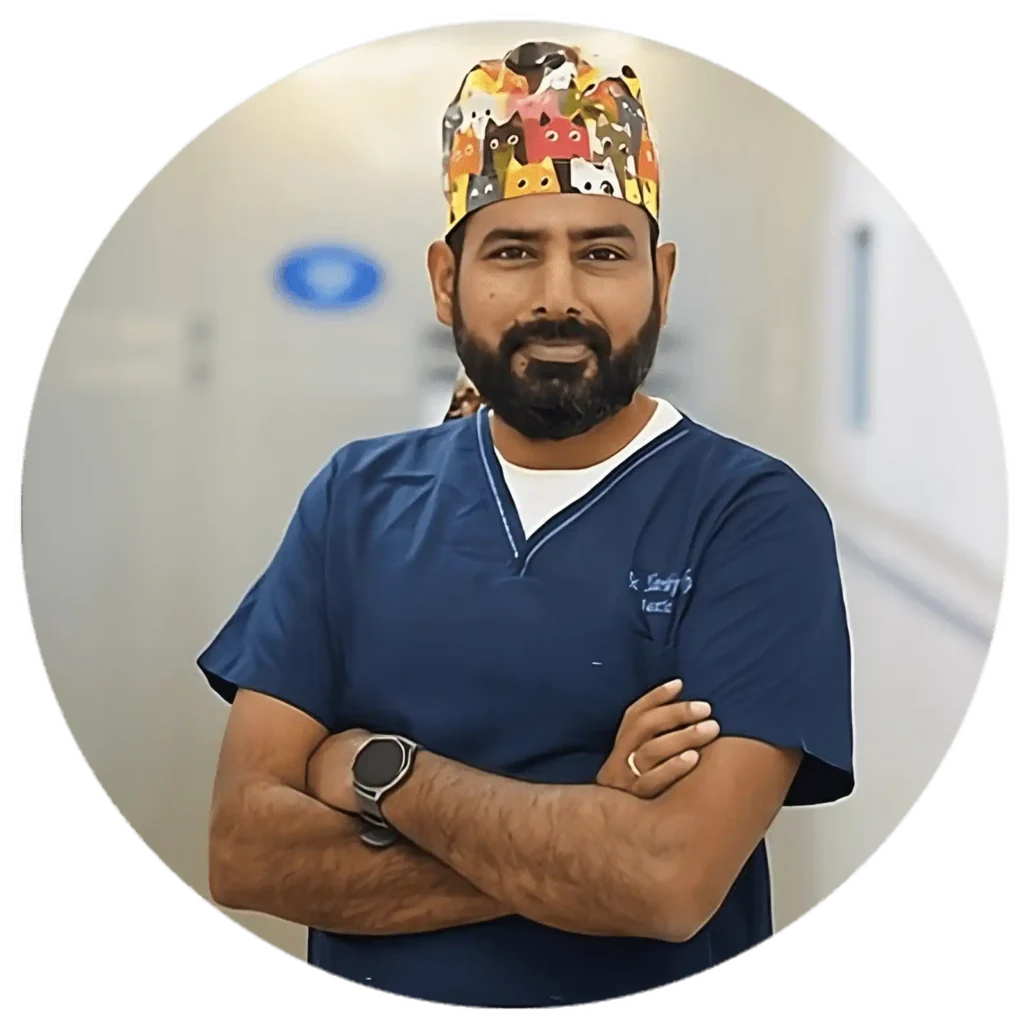
According to Dr Harikiran Chekuri, one of India’s pioneering plastic surgeon, “Rejecting a patient for hair transplant is not a negative outcome. It is the honest outcome. Operating on someone who does not yet qualify, or who will never qualify, produces results that fail and require correction. Telling a patient the timing is wrong protects them. It does not close the door permanently.“
What Are the Most Common Reasons Patients Are Rejected for Hair Transplant?
Every rejection comes from a specific clinical finding. Understanding what drives each one helps patients know what needs to change before surgery becomes a viable option, and what will never change regardless of how long they wait.
- Insufficient donor density: The most common clinical reason for rejection. When trichoscopy confirms donor density below the safe extraction threshold, there are not enough follicular units available to support a session that produces a meaningful result without visibly depleting the donor zone.
- Actively progressing hair loss: Surgery during active recession places grafts at a hairline the patient’s own hair loss will keep moving back. A responsible surgeon waits for stability, confirmed over twelve months, before operating. Going ahead during active progression wastes grafts and produces results that look incomplete within a few years.
- Age too young with incomplete pattern: Patients in their late teens and early twenties who present with early recession frequently have incomplete loss patterns. Operating before the full extent of the androgenetic alopecia is visible creates surgical plans that get overtaken by progression, often requiring costly revision.
- Uncontrolled medical conditions: Unmanaged diabetes, blood pressure medication, bleeding disorders, autoimmune conditions, and active scalp infections all increase surgical risk and compromise healing enough to disqualify surgery until clinical control is confirmed. The procedure does not become safer by wishing the condition away.
- Diffuse unpatterned alopecia: Patients with hair loss spreading across the entire scalp, including the donor zone, do not have a stable donor source. Extracting from a miniaturising donor zone produces grafts that continue thinning after transplantation, making the procedure clinically unreliable regardless of technique.
These are findings from a proper assessment, not opinions. Patients who are rejected at a responsible clinic and accepted immediately at a budget clinic have not found a better option. They have found a clinic willing to operate without confirming candidacy first. At Redefine Hair Transplant and Plastic Surgery Center, every rejection comes with a clear clinical explanation and a conversation about what the actual options are.
Can Rejected Patients Become Eligible for Hair Transplant Later?
Rejection is not always permanent. Several of the most common reasons for rejection are addressable with time, medical management, or a different clinical approach. Knowing which category a patient falls into is what determines the realistic path forward.
- Hair loss stabilisation: Patients rejected for active progression are often asked to return after twelve months of confirmed stability. Medical therapy with finasteride or minoxidil during that period stabilises the loss and demonstrates the scalp environment surgery requires before grafts go in.
- Medical condition management: Patients rejected for uncontrolled diabetes, elevated blood pressure, or active scalp conditions can become candidates once clinical control is confirmed and maintained. The threshold is genuine long-term management, not a single normal result shortly before consultation.
- Alternative donor sources: Patients with borderline scalp donor density who cannot support a standard session are sometimes viable candidates for beard or body hair supplementation. A combined approach using both scalp and beard follicles changes what is achievable when scalp supply alone is insufficient.
- Staged procedures: Patients whose total graft requirement exceeds what a single safe session can deliver are sometimes viable for staged procedures. Two smaller sessions across twelve to eighteen months extract safely from the donor zone without depleting it and achieve coverage that one aggressive session could not.
- Non-surgical alternatives: Patients who are not surgical candidates at any point are not without options. PRP therapy, low-level laser therapy, and medical management can slow progression and improve density for patients whose hair loss does not qualify for surgical intervention.
The right path after rejection depends entirely on why it happened and what the assessment found. Read about hair transplant candidacy to understand the full clinical picture of what makes a patient ready for surgery and what needs to be in place before any procedure is confirmed.
Being told no today does not mean no forever. Get the full picture of what changes the answer.
Why Redefine's Rejection Process Protects Your Long-Term Result
Dr. Harikiran Chekuri is one of India’s pioneering surgeons in hair transplant and the assessment process at Redefine is built around clinical honesty because a patient who is operated on before they qualify consistently produces a worse outcome than one who waits until the assessment confirms readiness.
Patients who come to Redefine Hair Transplant and Plastic Surgery Center and are told surgery is not the right next step leave with a clear explanation of why, a timeline for when that might change, and a non-surgical plan for the period in between rather than simply being turned away.
Frequently Asked Questions
Why do surgeons reject patients for hair transplant?
The most common reasons are insufficient donor density, actively progressing hair loss, uncontrolled medical conditions, age with incomplete pattern, and diffuse unpatterned alopecia where no stable donor source exists.
Can I get a hair transplant if I was rejected before?
Rejection is not always permanent. Patients rejected for active progression or uncontrolled medical conditions can become candidates once stability or clinical control is confirmed over time.
What happens if I go to a clinic that accepts me after being rejected elsewhere?
A clinic that accepts a patient another responsible surgeon rejected is either using a lower standard of assessment or proceeding without confirming the findings that drove the original rejection. The clinical reasons for rejection do not disappear by finding a willing clinic.
What are my options if I am permanently ineligible for hair transplant?
PRP therapy, low-level laser therapy, and medical management with finasteride or minoxidil are clinically supported options for patients whose hair loss pattern does not qualify for surgical restoration.
REFERENCE LINKS
- International Society of Hair Restoration Surgery: https://www.ishrs.org
- American Academy of Dermatology — Hair Loss: https://www.aad.org/public/diseases/hair-loss
- PubMed Central — Hair Transplant Candidacy: https://www.ncbi.nlm.nih.gov/pmc
Disclaimer: Reference links are provided solely for academic and clinical context and do not imply endorsement or accountability for third-party medical content.