
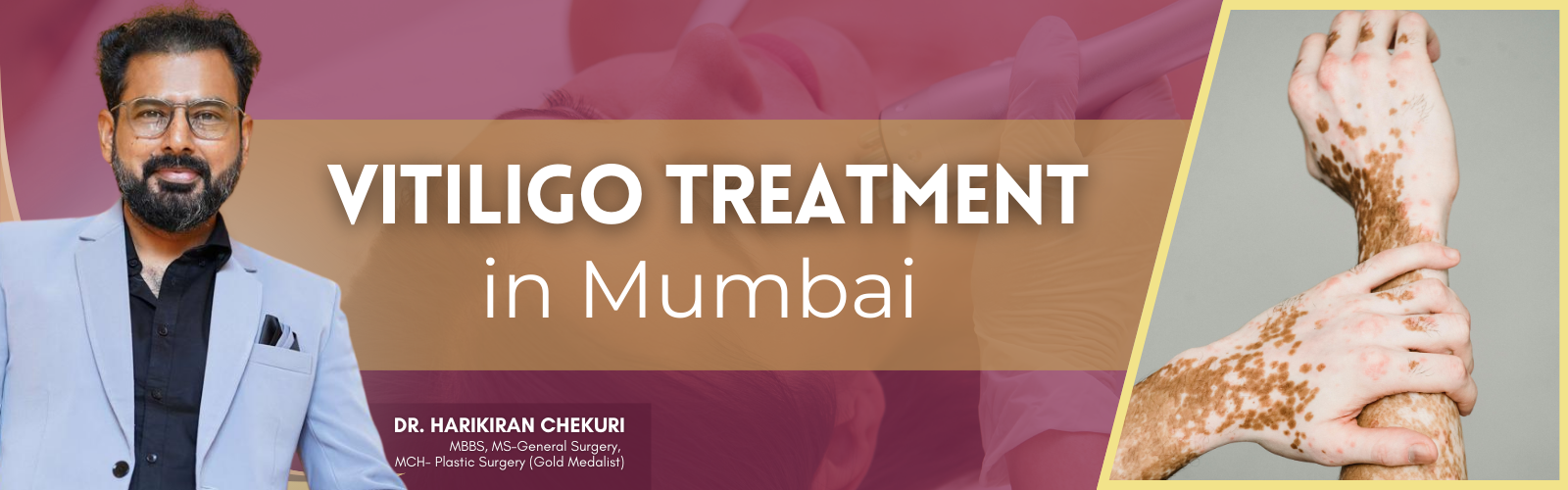
Vitiligo Treatment in Mumbai
Vitiligo is a skin condition that causes loss of pigmentation, leading to white patches on different parts of the body. While it is not contagious or life-threatening, vitiligo can significantly impact confidence and emotional well-being if left untreated.
At Redefine Hair Transplant & Plastic Surgery Center, patients receive advanced and individualized Vitiligo Treatment in Mumbai under the care of Dr. Harikiran Chekuri, a highly experienced cosmetic and plastic surgeon in Mumbai with expertise in medical aesthetics, skin reconstruction, and pigment restoration.
Doctor Says:
“Vitiligo treatment requires patience, precision, and the right selection of medical or surgical techniques. When treated appropriately, stable vitiligo can show excellent repigmentation results.”
What Is Vitiligo?
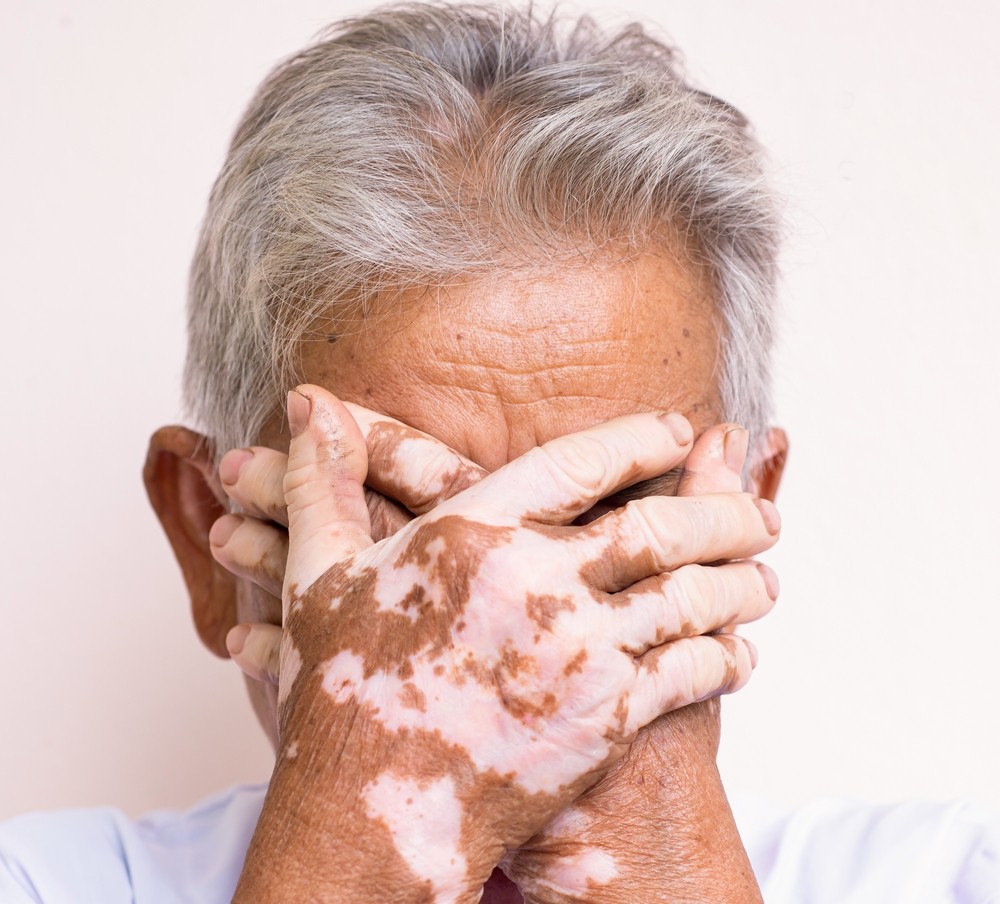
Vitiligo is a chronic skin disorder in which melanocytes (pigment-producing cells) are damaged or destroyed, resulting in white or light-colored patches on the skin.
It can affect the face, hands, feet, lips, scalp, and other body areas and may appear at any age.
Common Features of Vitiligo
- White or depigmented patches on the skin
- Symmetrical or localized distribution
- Premature whitening of hair in affected areas
- No pain or itching in most cases
- Gradual or sudden progression
Causes & Triggers of Vitiligo
The exact cause of vitiligo is not fully understood, but common contributing factors include:
● Autoimmune response against melanocytes
● Genetic predisposition
● Emotional or physical stress
● Skin trauma (Koebner phenomenon)
● Hormonal imbalances
● Oxidative stress
Understanding triggers helps in designing an effective treatment and maintenance plan.
AVAILABLE 24/7
Book an appointment!
Types of Vitiligo
Vitiligo is classified based on the pattern, extent, and progression of depigmentation. Identifying the type of vitiligo is essential for choosing the most effective treatment approach.
Non-segmental vitiligo
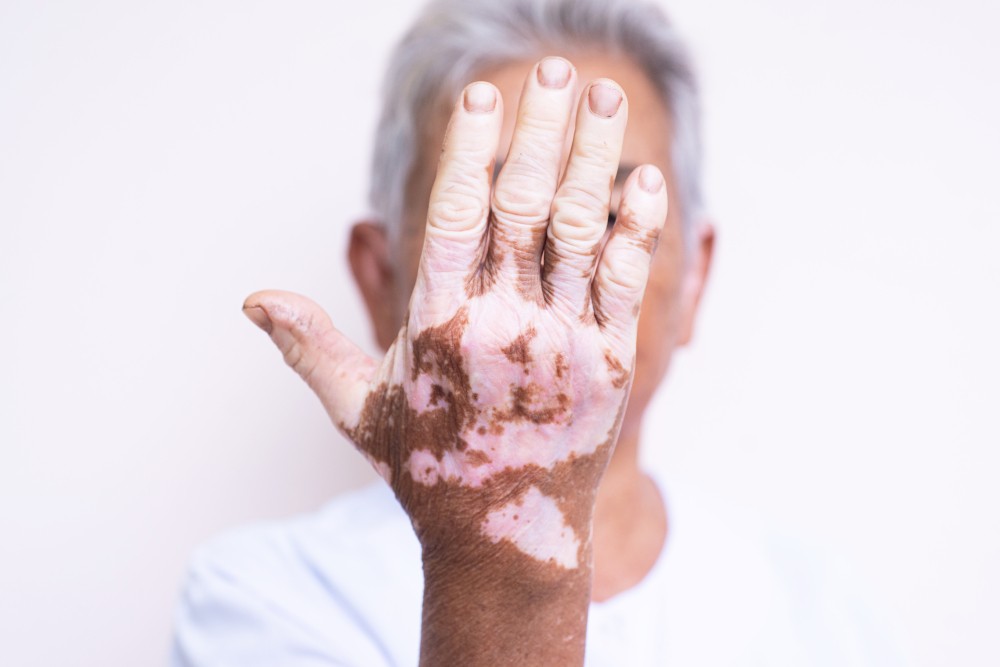
The most common form of vitiligo, characterized by symmetrical white patches appearing on both sides of the body.
- Affects areas like the face, hands, elbows, knees, and feet
- May progress gradually over time
Responds well to medical treatment and phototherapy

Segmental vitiligo
This type affects only one side or a specific segment of the body.
- Usually appears at a younger age
- Progresses for a short period and then stabilizes
Surgical vitiligo treatments show good results once stable
Focal Vitiligo
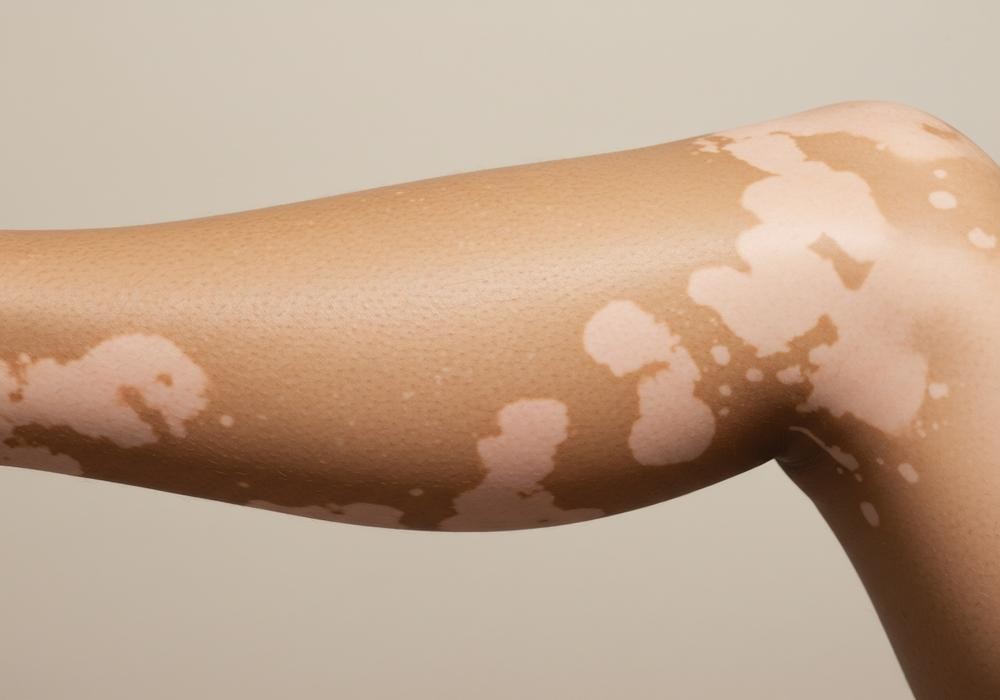
A localized form of vitiligo with limited depigmented patches.
- Restricted to one or two small areas
- May remain stable for years
Early treatment can prevent progression
Universal Vitiligo
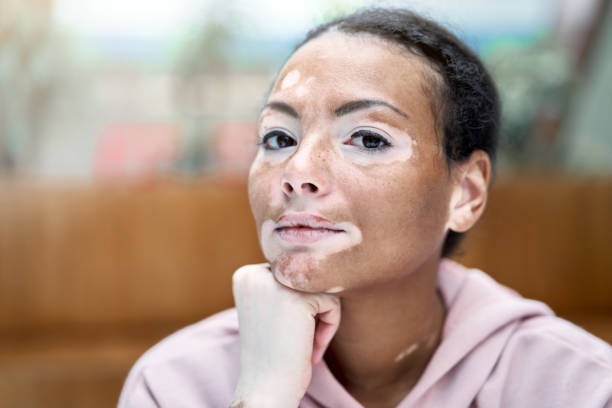
A rare and extensive form of vitiligo.
- Involves widespread depigmentation across most of the body
- Limited repigmentation potential
Treatment focuses on skin protection and uniform appearance
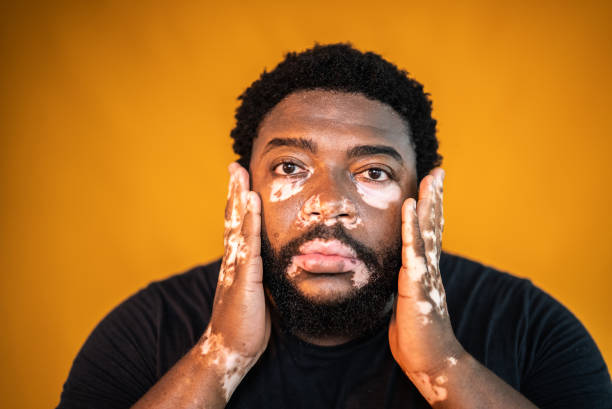
Mucosal Vitiligo
Vitiligo affecting mucous membranes.
- Commonly seen on lips, inside the mouth, or genital areas
- May be isolated or associated with other types
- Treatment options vary based on location and stability
Early diagnosis and accurate classification by an experienced plastic surgeon in Mumbai help determine whether medical therapy, light-based treatment, or surgical intervention is most suitable.
Vitiligo Treatment Options
At Redefine Plastic Surgery and Hair Transplant Center in Mumbai, treatment options may include:
- Medical management (topical therapies and immune modulators)
- Phototherapy (NB-UVB) for repigmentation
- PRP therapy to support cell regeneration
- Surgical vitiligo treatments for stable vitiligo
- Skin grafting or melanocyte transfer techniques
- Camouflage and supportive aesthetic care
The choice depends on vitiligo stability, location, and response to prior treatments.
How Vitiligo Treatment Works
Vitiligo treatment focuses on restoring skin color by stimulating melanin production or transferring healthy pigment-producing cells to affected areas. The approach is personalized based on the type, extent, and stability of vitiligo.
Step 1: Detailed Evaluation
The treatment begins with a comprehensive assessment by a plastic surgeon in Mumbai to determine:
- Type and extent of vitiligo
- Disease stability (active vs stable)
- Skin type and overall health
This helps in selecting the most effective and safe treatment plan.
Step 2: Medical Management
For early or active vitiligo, medical therapies are used to control progression and promote repigmentation:
- Topical medications to reduce immune activity
- Oral therapies when required
- Antioxidant support to improve skin response
Step 3: Light-Based Therapy
Phototherapy helps stimulate melanocytes and enhance pigment spread:
- Narrowband UVB therapy
- Targeted light treatments for localized patches
These therapies are often combined with medications for better outcomes.
Step 4: Surgical Vitiligo Treatments
For stable vitiligo, surgical techniques may be recommended:
- Melanocyte-keratinocyte cell transplantation
- Mini-punch grafting or tissue grafts
These methods transfer healthy pigment cells to depigmented areas for long-lasting results.
Step 5: Maintenance & Follow-Up
Post-treatment care is essential to maintain results:
- Regular follow-ups to monitor pigment stability
- Sun protection and skincare guidance
- Maintenance therapy to prevent recurrence
At Redefine Plastic Surgery and Hair Transplant Center in Mumbai, vitiligo treatment is evidence-based, ethical, and customized—focusing on safe repigmentation and improved skin confidence.
Cost of Vitiligo Treatment in Mumbai
The cost of vitiligo treatment in Mumbai varies depending on the severity of the condition, the type of vitiligo, and the treatment approach recommended after clinical evaluation.
Estimated Treatment Costs
While exact pricing differs from patient to patient, general cost ranges include:
- Topical medications: ₹50 – ₹500 per tube or bottle, based on the prescribed formulation
- Phototherapy sessions: ₹2,500 – ₹5,000 per session
- Excimer laser treatment: ₹5,000 – ₹15,000 per session
- Surgical treatments (skin grafting/cell transplantation): ₹50,000 to ₹1,00,000 or more, depending on the size and location of the affected area
Factors Affecting Treatment Cost
Several factors influence the final cost of vitiligo treatment, including:
- Type and extent of vitiligo
- Stability of the condition
- Treatment modality chosen (medical, phototherapy, or surgical)
- Number of sessions required for visible repigmentation
- Surgeon’s expertise and clinic infrastructure
At Redefine Plastic Surgery and Hair Transplant Center in Mumbai, treatment plans are personalized with transparent pricing, ensuring ethical care, safety, and effective long-term results without unnecessary procedures.
Post-Treatment Care Guidelines for Vitiligo
Following these guidelines can help protect your skin and improve long-term outcomes:
- Protect treated skin with SPF 30+ sunscreen and sun-safe clothing
- Follow prescribed medications and therapy sessions regularly
- Maintain a healthy lifestyle with proper diet, sleep, and exercise
- Manage stress through yoga, meditation, or relaxation techniques
- Attend regular follow-ups for skin monitoring
- Communicate openly with your doctor for guidance and support
For personalized vitiligo care, consult Dr. Harikiran Chekuri, an experienced Plastic Surgeon in Mumbai, for safe treatment and transparent cost guidance.
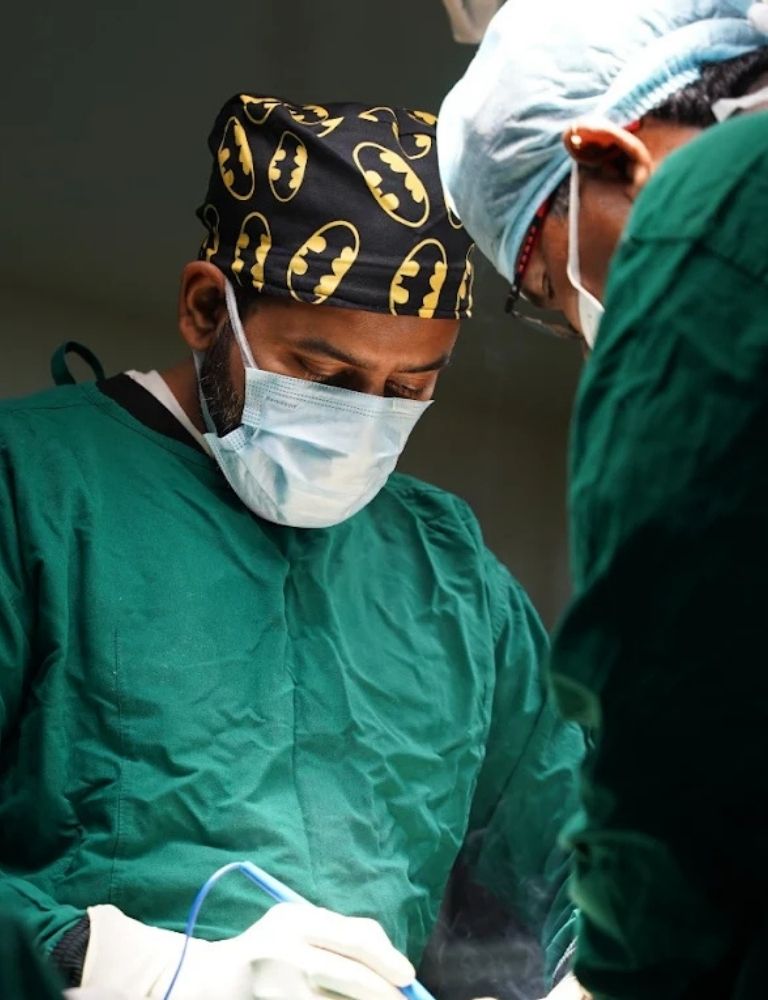
Who We Are
Redefine Hair Transplant and Plastic Surgery Center in Mumbai
When it comes to Vitiligo Treatment in Mumbai, choosing the right specialist makes all the difference in achieving natural, balanced, and long-lasting results. Here’s why patients trust Dr. Harikiran Chekuri:
Frequently Asked Questions
Is vitiligo curable?
Vitiligo is manageable. While complete cure may not always be possible, significant repigmentation can be achieved in stable cases.
Is vitiligo treatment safe?
Yes, when performed under expert supervision using evidence-based protocols.
Who is eligible for vitiligo surgery?
Patients with stable vitiligo (no progression for 6–12 months) may be candidates.
How long does vitiligo treatment take?
Treatment duration varies from months to longer depending on severity and response.
Can vitiligo spread from one person to another?
No. Vitiligo does not spread from one person to another. It is not contagious and cannot be passed through touch or contact.
Is Vitiligo Genetic?
Yes, vitiligo can be genetic, but having a family history does not guarantee you will develop it.
ARTICLES
Latest Blogs

Crown Hair Transplant After 6 Months
regrowth but are still far from their final result. Understanding what's biologically normal at this stage prevents unnecessary panic and helps you make informed decisions about post-op care.Not all scalp areas grow at the same pace after a transplant. The crown has a...
Crown Hair Transplant Without Shaving Head
An unshaven hair transplant for the crown area is a real procedure, but it comes with specific limitations that most people don't hear about before booking. The technique exists, it works for the right candidates, and it leaves your existing hair largely intact during...
Minoxidil vs Finasteride: Which One Actually Works Better for Hair Loss
Minoxidil and finasteride are the two most clinically validated treatments for androgenetic alopecia. Both have decades of research behind them. But they work through entirely different mechanisms, suit different patient profiles, and come with very different risk...