The first wash after a hair transplant is not when most patients expect it. How you wash, what you use, and how much pressure you apply in the first two weeks directly affects how many grafts survive. This blog covers the complete washing protocol from day one through week four, what the clinical reasoning is behind each step, and what mistakes cost patients their results.
The first 48 hours after a hair transplant, you do not wash your hair at all.
A newly implanted graft is held in place by nothing more than the clotting mechanism and the pressure of the surrounding tissue. It has no active blood supply yet. Water pressure, friction, or any direct contact in that window can pull a graft out cleanly. What you use instead is a saline spray, applied every two to three hours to keep the grafts moist without disturbing them.
From day three onwards, washing follows a specific protocol that changes week by week as the grafts progressively anchor. Getting this right is not optional. A 2022 ISHRS practice census found that clinics with structured aftercare protocols including washing guidance reported graft survival rates of 90 to 95 percent, compared to 75 to 85 percent at clinics that did not provide structured aftercare.
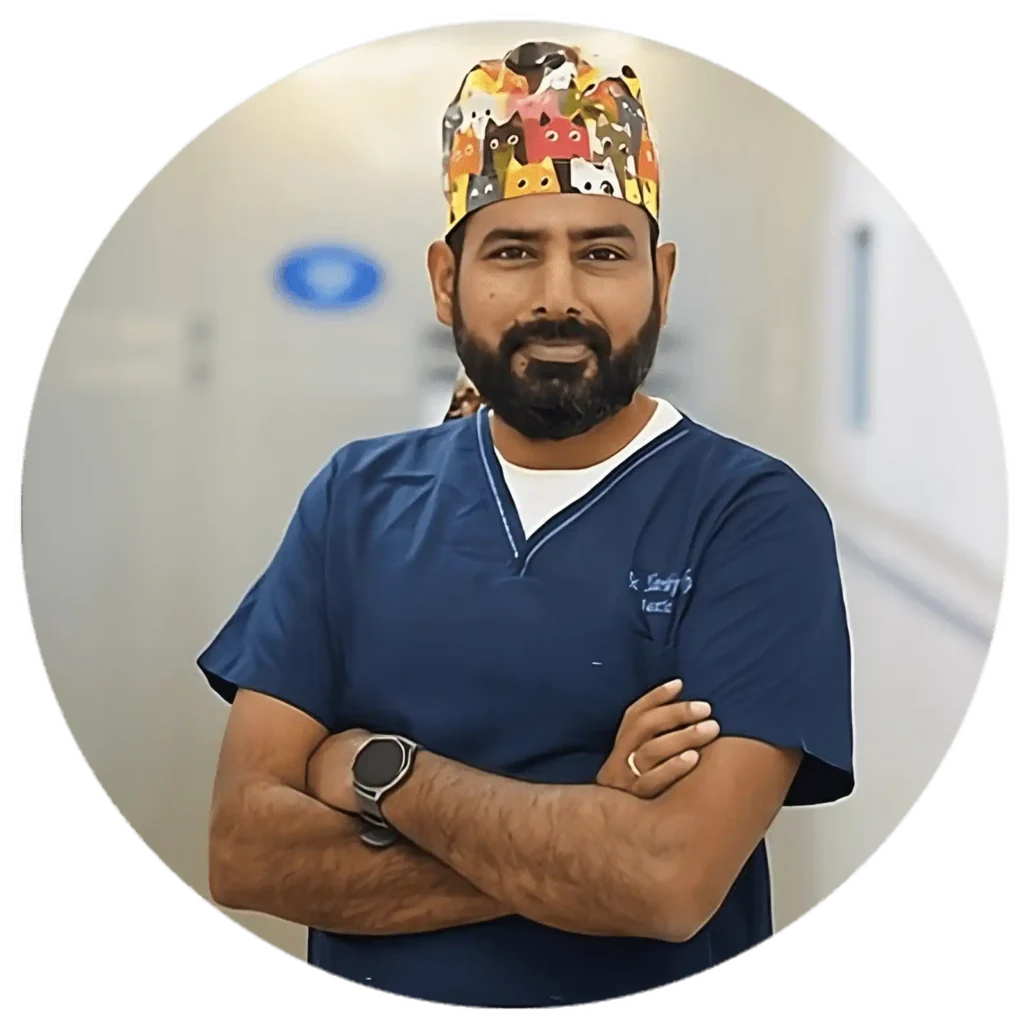
According to Dr Harikiran Chekuri, one of India’s pioneering plastic surgeons and hair transplant specialists, “The washing protocol is where most post-transplant errors happen. Patients assume that if gentle is good, more frequent is better. It is not. Over-washing, using the wrong water temperature, or applying any direct pressure to the recipient area in the first ten days are the specific mistakes that cost grafts. The protocol exists for precise clinical reasons and it should be followed exactly as given.”
The Day by Day Washing Protocol
The protocol moves through three distinct stages based on how well the grafts have anchored at each point.
| Stage | Timeframe | What to Do |
| No wash | Day 1 to 2 | Saline spray only every 2 to 3 hours. Zero water or shampoo contact |
| No contact wash | Day 3 to 9 | Gentle pour with cup. Diluted shampoo patted as foam. No fingertip contact on recipient area |
| Gentle contact wash | Day 10 to 14 | Fingertip pads only. Circular motion to loosen remaining scabs. Low pressure rinse |
| Gradual normal wash | Week 3 onwards | Progressive return to normal washing. Still no high pressure shower directly on scalp |
| Normal wash | Week 4 onwards | Normal routine resumes with surgeon clearance |
Days 1 to 2: Saline spray only
Do not wash. Do not let shower water hit the scalp. Apply sterile saline spray every two to three hours while awake to keep the grafts moist. Dry grafts develop hard scabs early. Hard scabs that detach prematurely can pull the follicle out with them. Moist grafts anchor more cleanly. This is the single most important window in the entire recovery.
Days 3 to 9: No contact wash
- Fill a cup with lukewarm water, approximately 35 to 37 degrees Celsius. Pour it gently over the scalp. Never use a direct shower stream on the recipient area during this stage
- Apply a small amount of clinic-supplied or baby shampoo to your hands first. Work it into a foam. Pat the foam onto the scalp. Do not rub, do not use fingertips directly on the recipient area
- Rinse by pouring water from the cup. Let it run over the scalp without applying pressure
- Air dry or pat gently with sterile gauze or paper towel. No towel rubbing. No hair dryer
- Wash once daily. Over-washing at this stage increases graft dislodgement risk, not decreases it
The donor area can be washed more normally from day three but avoid aggressive scrubbing at the extraction sites. Every patient who undergoes hair transplant treatment leaves with a written washing protocol and direct access to the clinical team for any question that comes up during this stage.
Days 10 to 14: Gentle contact wash
Grafts are confirmed secure by day ten to fourteen as fibrin anchoring is complete. You can now introduce gentle fingertip contact on the recipient area.
- Apply a softening lotion or diluted baby oil to the scalp 30 minutes before washing to loosen any remaining scabs
- Wash with fingertip pads using small circular motions. No nails. No scratching
- Pour water from a cup or use a very low pressure shower head
- Scabs will begin coming away naturally. Do not force them. Do not pick them
Week 3 onwards: Gradual return to normal
Increase water pressure gradually over this period. Continue with a mild sulfate-free shampoo. Avoid alcohol-based products, hair dyes, styling gels, and Chemical treatments should be continued for a minimum of one month. A hair dryer can be introduced at low heat and at least 30 centimetres from the scalp.
Patients wanting a complete week by week picture of what recovery looks like beyond washing can read Sleeping Position After Hair Transplant, which covers what the scalp needs in the first ten days and how daily habits protect or compromise the result.
What to Use and What to Avoid?
The product choice matters as much as the technique.
- Use: Clinic-supplied post-transplant shampoo. If unavailable, a fragrance-free, sulfate-free, pH-neutral baby shampoo. Lukewarm water only
- Use: Sterile saline spray for days one and two. Panthenol or clinic-recommended moisturising lotion before washing from day ten onwards to soften scabs
- Avoid: Shampoos containing sodium lauryl sulphate, parabens, or alcohol. These irritate fresh incision sites and cause follicular trauma
- Avoid: Hot water. Hot water increases scalp blood pressure and irritates healing tissue
- Avoid: Direct high-pressure shower spray on the recipient area for the first two weeks
- Avoid: Cloth towels on the recipient area. They harbour bacteria and snag fragile grafts
- Avoid: Any styling product, dry shampoo, or hair spray for a minimum of four weeks
- Avoid: Swimming pools, open water, or fully immersing the head for two to four weeks. Pool chemicals and bacterial load in open water carry infection risk at open graft sites
Patients who want to understand how washing fits into the broader post-operative recovery plan, including exercise, sun exposure, and follow-up scheduling, can read Gym and Exercise After Hair Transplant.
Why Choose Redefine for Hair Transplant in Hyderabad?
At Redefine Hair Transplant and Plastic Surgery Centre, every patient leaves surgery with a written aftercare guide, a post-surgical care kit, and direct access to the clinical team throughout recovery. Dr Harikiran Chekuri brings over 20 years and more than 20,000 procedures to every case. He is a Gold Medallist in Plastic Surgery from NTR University of Health Sciences, Paul Harris Fellow, and Vaidya Siromani awardee 2015. Redefine has been ranked No.1 Plastic Surgery Centre in the Twin States by the Times of India Health Survey for three consecutive years, 2019, 2020, and 2021.
Patients at Redefine do not figure out post-operative washing from internet searches after going home. The protocol is explained before discharge and the clinical team is available for every question that comes up between surgery and the follow-up appointment.
Frequently Asked Questions
When can I wash my hair after a hair transplant?
The first wash using diluted shampoo begins on day three. Days one and two are saline spray only. No direct water contact or shampoo on the recipient area until day three.
Can I use my regular shampoo after a hair transplant?
Not in the first four weeks. Use clinic-supplied post-transplant shampoo or a fragrance-free, sulfate-free, pH-neutral baby shampoo. Regular shampoos often contain sulfates and alcohol that irritate fresh incision sites.
Can I use a shower after a hair transplant?
Not with direct pressure on the recipient area for the first two weeks. Pour lukewarm water from a cup over the scalp instead. A very low-pressure shower head can be introduced gradually from week two.
How do I remove scabs after a hair transplant?
Apply a softening lotion thirty minutes before washing from day ten onwards. Let scabs loosen and come away naturally through gentle circular fingertip motion during washing. Never pick, scratch, or force scabs off. Forced scab removal is one of the most common causes of graft loss.
Can I use a hair dryer after a hair transplant?
Not in the first two weeks. From week three, a hair dryer on low heat setting held at least thirty centimetres from the scalp is acceptable. High heat increases scalp blood pressure and irritates healing tissue.
References
- Jiménez-Acosta F, et al. An International Expert Consensus Statement Focusing on Pre and Post Hair Transplantation Care. Journal of Dermatological Treatment. 2023.
https://www.tandfonline.com/doi/full/10.1080/09546634.2023.2232065 - StatPearls. Hair Transplantation. NCBI. 2024.
https://www.ncbi.nlm.nih.gov/books/NBK547740/ - Romera de Blas C, et al. Complications in Follicular Unit Excision Hair Transplantation: Current Evidence and Practical Approaches. Frontiers in Medicine. 2026.
https://www.ncbi.nlm.nih.gov/pmc/articles/PMC12909172/