Varicose veins can be distinguished by twisted, enlarged, blue, or dark purple veins visible just beneath the skin’s surface, usually on the legs. Symptoms of varicose veins include aching, heavy, or tired legs, particularly after prolonged standing or sitting, as well as swelling in the ankles or feet.
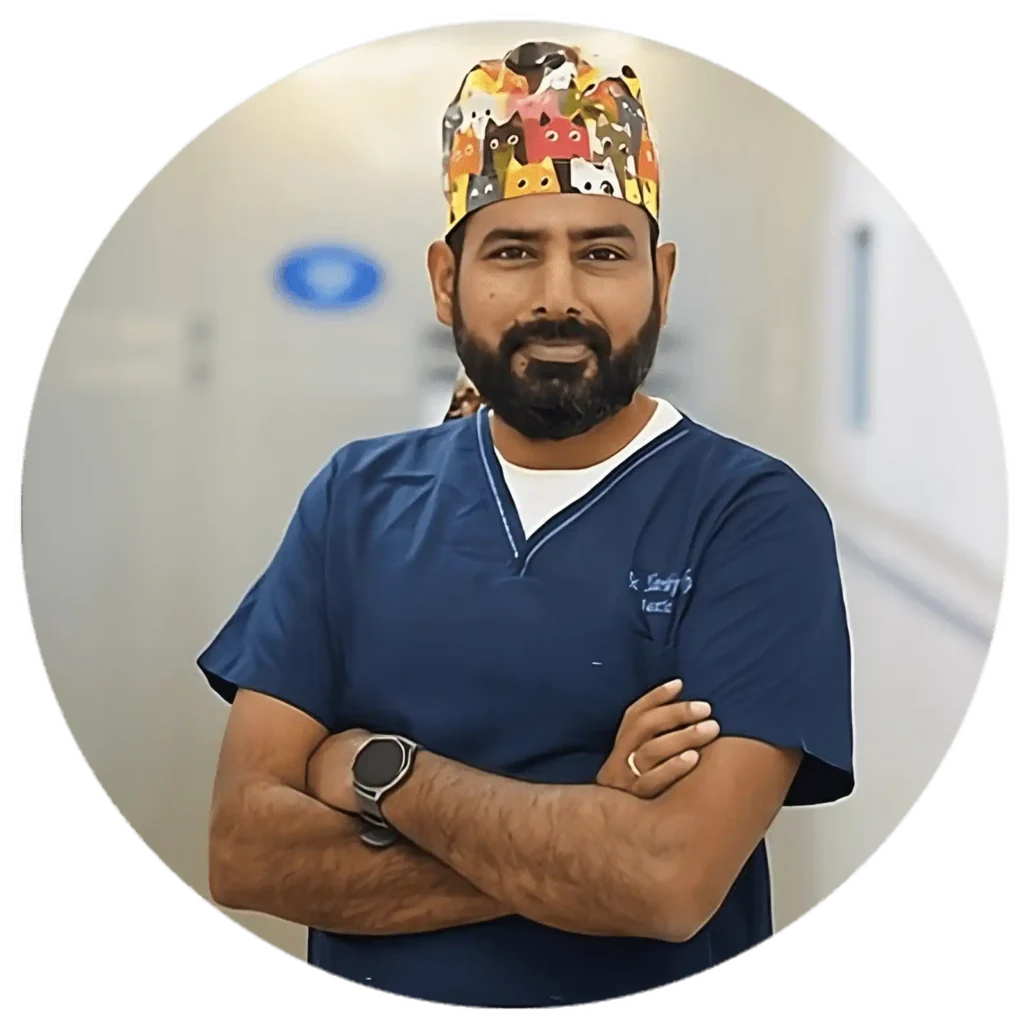
According to Dr. Harikiran Chekuri,
“Varicose veins are not just a cosmetic concern. Persistent leg heaviness, visible bulging veins, or swelling should be evaluated early to avoid progression and discomfort.”
What Are the Common Signs of Varicose Veins?
Varicose veins usually develop gradually and may worsen over time if left untreated.
- Visible Bulging Veins: Enlarged, twisted veins that are clearly visible under the skin are one of the earliest and most noticeable signs.
- Leg Heaviness or Aching: A dull, throbbing pain or feeling of heaviness in the legs especially after prolonged standing is common.
- Swelling Around Ankles: Fluid buildup near the lower legs and ankles may occur due to poor blood circulation.
- Skin Discoloration or Itching: The skin around affected veins may become dry, itchy, or darker in color over time.
At Redefine Hair Transplant and Plastic Surgery Center, patients are advised to seek early consultation when these symptoms appear to prevent complications.
How Can You Perform a Preliminary Check for Varicose Veins?
You can do a simple self-check at home to spot early signs of varicose veins. While this does not replace a medical diagnosis, it can help you recognize visible symptoms.
- Stand Up: Varicose veins are easier to notice while standing because gravity increases pressure in the leg veins, making them more visible.
- Inspect Your Legs: Carefully look for bulging, twisted, or rope-like veins. You may also notice clusters of small red, blue, or purple “spider veins” on your calves or thighs.
- Check for Tension: Gently press on any visible bulge. Varicose veins often feel firm or tense but may flatten or become less noticeable when you lie down and raise your legs above heart level.
If you notice recurring symptoms or have a family history of varicose veins, the condition may be genetic.
Why Choose Dr Harikiran Chekuri for Varicose Vein Treatment?
Dr. Harikiran Chekuri offers evidence-based treatment approaches for varicose veins with a focus on both medical safety and cosmetic improvement. Proper diagnosis helps determine the severity and select the most suitable intervention.
At Redefine, patients receive personalized treatment plans that may include minimally invasive procedures, lifestyle guidance, and structured follow-up care. With clinics in Mumbai and Hyderabad, Redefine provides trusted and advanced solutions for varicose vein management.
📞 Call Now: +91 92371 23456
Schedule a consultation for expert evaluation and safe varicose vein treatment.
Frequently Asked Questions
Are varicose veins dangerous?
They are usually not life-threatening but can cause discomfort and complications if untreated.
Can varicose veins go away on their own?
No, they typically do not disappear without medical treatment.
Is surgery necessary for varicose veins?
Not always. Many cases can be treated with minimally invasive procedures.
How are varicose veins diagnosed?
Doctors may perform a physical examination and recommend a Doppler ultrasound for confirmation.