

Noticing more hair on your pillow, a receding hairline or thinning around your crown at just 18? It can be worrying, especially when you are too young to expect hair loss.
But is hair fall at 18 normal? And why are some teenagers experiencing early balding?
Hair loss at 18 can happen for several reasons, including genetics, nutritional deficiencies, stress, hormonal changes and scalp conditions. The important thing is to identify the cause before choosing a treatment.
Dr. Harikiran Chekuri of Redefine Hair Transplant and Plastic Surgery Center emphasises the importance of understanding the underlying reason for hair loss before considering hair restoration options.
Let’s look at what may be happening and when you should seek medical advice.
Is Hairfall Normal at the Age of 18?
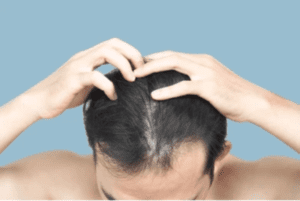
Some hair shedding is completely normal, even at 18. Most people lose approximately 50–100 hairs every day as part of the natural hair growth cycle.
However, there is a difference between normal shedding and noticeable hair thinning.
You should pay attention if you notice:
- More hair falling out than usual for several weeks.
- A receding hairline around the temples.
- Reduced hair density around the crown.
- A widening parting or visible scalp.
- Thinner hair strands compared to previous years.
- Sudden bald patches or uneven hair loss.
In males, early genetic hair loss may appear as a receding hairline or thinning crown. In females, it may cause diffuse thinning or a widening central parting.
Not every change in your hairline means you are balding. Some people naturally have a mature hairline. A medical assessment can help distinguish normal changes from progressive hair loss.
Why Am I Balding at 18? Common Causes of Early Hair Loss
Now that we understand the difference between normal shedding and excessive hair loss, let’s look at the possible reasons.
1. Genetics and Family History
Genetics is one of the common causes of early hair thinning. If your parents or close relatives experienced early hair loss, you may have a higher likelihood of developing androgenetic alopecia.
This condition, also called male or female pattern hair loss, causes hair follicles to gradually shrink. Over time, they produce finer and shorter hair strands.
2. Hormonal Changes
Hormonal changes during puberty can influence hair growth. In genetically susceptible individuals, sensitivity to dihydrotestosterone (DHT) can contribute to follicle miniaturisation.
3. Nutritional Deficiencies
Your hair needs adequate nutrition to grow normally. Deficiencies in iron, protein and certain vitamins or minerals may contribute to excessive shedding.
Crash dieting, skipping meals and restrictive eating habits can also affect hair health.
4. Stress and Poor Sleep
Examination pressure, emotional stress, illness and inadequate sleep can sometimes trigger telogen effluvium.
This condition pushes more hair follicles into the resting phase, resulting in increased shedding. Hair fall may become noticeable a few months after the triggering event.
5. Medical and Scalp Conditions
Certain health conditions can cause hair loss at a young age, including:
- Thyroid disorders.
- Alopecia areata, an autoimmune condition.
- Fungal scalp infections.
- Scalp inflammation and other dermatological conditions.
6. Hairstyling and Hair Damage
Frequent heat styling, chemical treatments and tight hairstyles can weaken hair or cause traction alopecia. Repeated pulling may eventually damage follicles.
Receding Hairline at 18: Should You Be Worried?
A receding hairline at 18 can be one of the earliest noticeable signs of male pattern hair loss.
You may notice the temples moving backwards, creating an M-shaped hairline. Some people also experience thinning around the crown.
However, a naturally changing hairline and genetic hair loss are not the same.
A specialist may examine:
- Changes in your frontal hairline.
- Hair density around the temples and crown.
- Differences in hair strand thickness.
- Family history of early hair loss.
- Signs of follicle miniaturisation.
If you are wondering how to regrow a receding hairline, the first step is to determine whether the follicles are still capable of producing healthy hair.
Treatment can sometimes improve early thinning, but completely restoring an advanced receding hairline is not always possible.
What Are the Treatment Options for Hair Loss at 18?
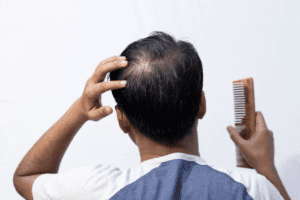
Here is something important: there is no single treatment that works for every type of hair loss.
Dr. Harikiran Chekuri highlights the importance of selecting treatment according to the cause, hair loss pattern and individual medical history.
Depending on the diagnosis, options may include:
1. Medical Treatment
Topical minoxidil is used for certain types of pattern hair loss. It may help stimulate hair growth and slow further thinning.
However, it requires consistent use, and results vary. It should be started following medical advice, particularly when hair loss begins at a young age.
Prescription medications such as finasteride may be considered for selected adult men with androgenetic alopecia. They require a discussion about suitability, potential side effects and long-term use.
2. PRP Hair Treatment
Platelet-rich plasma (PRP) involves preparing a platelet concentrate from your own blood and injecting it into selected scalp areas.
Some studies suggest that PRP may improve hair density in people with pattern hair loss. However, evidence is still developing, and it is not suitable for every type of hair loss.
3. Correcting Nutritional Deficiencies
If investigations identify low iron, inadequate nutritional intake or another deficiency, correcting it may help reduce associated hair shedding.
A balanced diet containing adequate protein, iron and other essential nutrients supports normal hair growth.
4. Low-Level Laser Therapy
Low-level laser therapy uses specific wavelengths of light to target the scalp. Some studies suggest potential benefits for pattern hair loss, although evidence and long-term outcomes remain limited.
5. Hair Transplant Surgery
A hair transplant involves moving hair follicles from a suitable donor area to areas affected by hair loss.
However, transplantation is not usually the first treatment to consider at 18. Hair loss may continue to progress, and early surgery can make long-term donor management and natural-looking results more difficult.
A specialist must carefully assess the pattern, stability and future progression before considering surgery.
How to Stop Hair Loss at 18: Practical Tips
Medical treatment is only one part of maintaining healthy hair. Your everyday habits also matter.
Here are some practical steps:
- Eat a balanced diet: Include adequate protein, vegetables, fruits, iron-rich foods and other essential nutrients.
- Avoid crash diets: Sudden weight loss and restrictive eating can trigger hair shedding.
- Manage stress: Regular exercise, relaxation and sufficient sleep can support overall health.
- Be gentle with your hair: Avoid excessive heat styling, harsh chemical treatments and tight hairstyles.
- Maintain scalp hygiene: Wash your scalp according to your hair type and seek treatment for persistent dandruff or irritation.
- Avoid unnecessary supplements: Take vitamins and minerals when a deficiency or medical need has been identified.
- Avoid self-medication: Do not start hair growth medicines or prescription treatments without professional advice.
Remember, these habits can support hair health, but they cannot reverse genetic hair loss on their own.
When Should You Consult a Doctor for Hair Loss?
Don’t ignore persistent or unexplained hair thinning, particularly when it starts at a young age.
Consider a medical evaluation if you experience:
- Rapid or excessive hair shedding.
- Sudden circular or patchy bald spots.
- A progressively receding hairline.
- Persistent scalp itching, redness or scaling.
- Hair loss accompanied by fatigue or unexplained weight changes.
- Hair thinning following an illness or starting a new medication.
At Redefine Hair Transplant and Plastic Surgery Center, Dr. Harikiran Chekuri focuses on understanding the underlying factors associated with hair loss and evaluating appropriate hair restoration options.
An assessment may include a medical history, scalp examination and, where indicated, blood investigations or specialised scalp evaluation.
Frequently Asked Questions About Hair Loss at 18
1. Can I regrow my hair at 18?
Yes, regrowth is possible in certain cases. Hair may recover when shedding is caused by stress, nutritional deficiencies or temporary health conditions. Genetic hair loss may require ongoing treatment.
2. What is the reason for hair fall in males at 18?
Common reasons include genetic hair loss, hormonal sensitivity, nutritional deficiencies, stress and scalp conditions. Identifying the underlying cause is important before starting treatment.
3. Should I be concerned about hair loss at 18?
Occasional shedding is normal. However, progressive thinning, a receding hairline, sudden bald patches or excessive shedding should be medically evaluated.
4. Is it normal to start balding at 19?
Early male pattern hair loss can begin in the late teenage years or early twenties. However, not every receding hairline indicates genetic baldness.
5. How can I regrow a receding hairline?
Treatment depends on the cause and condition of the follicles. Medical treatments may help some people with early pattern hair loss, but completely restoring a receding hairline is not always possible.
6. Does hair loss at 18 mean permanent baldness?
No. Some causes of hair loss are temporary and reversible. Genetic hair loss may progress over time, but early medical management can help preserve existing hair in suitable cases.
References and Further Reading
- NHS – Hair Loss: Causes and Treatment
- American Academy of Dermatology – Hair Loss Diagnosis and Treatment
- Assessment and Treatment of Adolescent Hair Loss – Current Opinion in Pediatrics, 2026
- Clinical Recommendations for the Management of Androgenetic Alopecia – Journal of the European Academy of Dermatology and Venereology
Medical Disclaimer: This article is intended for general educational purposes. It does not replace an individual medical consultation, diagnosis or treatment recommendation. Treatment suitability and outcomes vary depending on the underlying cause of hair loss.