
Forget what you think you know about peptides from skincare ads. In hair loss, they do something actually useful. They’re short amino acid chains that speak directly to your follicle cells. Wake them up. Tell them to keep growing. Help them resist the hormonal damage that’s been quietly shrinking them for years. Not overnight magic. But real results when the timing is right.
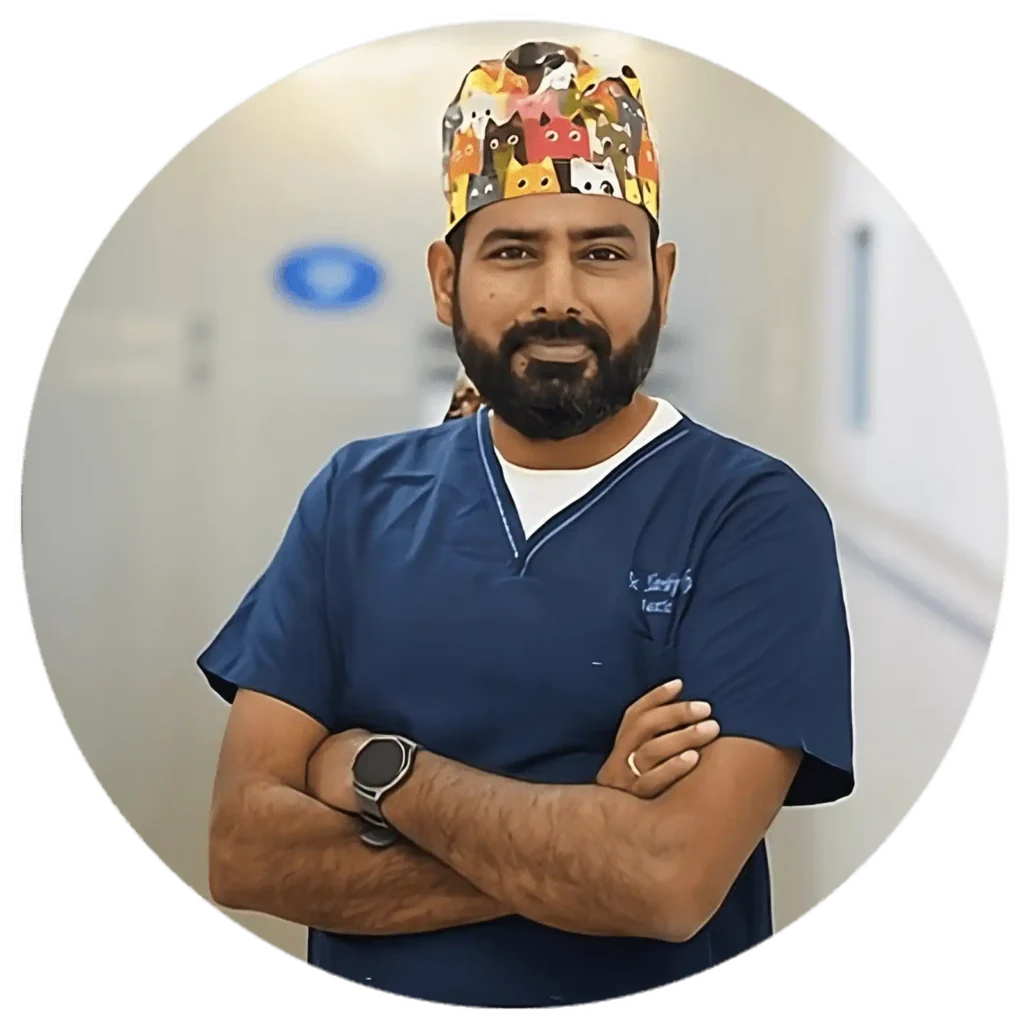
According to Dr Harikiran Chekuri,an experienced Hair Surgeon, “Peptides work at a cellular level to extend the hair growth phase, reduce follicle miniaturisation, and create scalp conditions where hair actually has a fighting chance to recover.”
How Do Peptides Actually Work Against Hair Loss?
Here’s what’s actually going on under your scalp when peptides are doing their job. Because most people using them have no real idea.
- Keep follicles growing longer: Peptides push the anagen phase out further so each strand gets more growing time before it sheds. More time growing means more hair you actually keep.
- Reduce how badly DHT hurts follicles: DHT is what slowly strangles follicles over time. Certain peptides reduce how sensitive your follicles are to it. That buys them time.
- Get more blood moving to the scalp: Nutrients and oxygen reach follicles through blood flow. Peptides improve that circulation. Healthy blood flow keeps follicles fed and functioning properly.
- Strengthen the tissue around each follicle: Collagen and growth factors build up around the follicle base. That surrounding tissue being strong matters more than most people realise.
Peptide therapies are used in Redefine Hair Transplant and Plastic Surgery Center with the help of the strictest medical protocols to make sure that they are safe, personalized, and that the long-term outcomes are optimal
When Do Peptides Actually Work and When Do They Not?
This is the conversation most clinics avoid having. Because honestly, peptides aren’t the right call for every single person walking in with hair loss.
- Early to mid stage thinning: Follicles are alive but struggling. This is the sweet spot for peptides. They give those weakened follicles the biological push they need to turn things around.
- Right after a hair transplant: Used post surgery, peptides speed up healing, protect graft survival, and help the thinning hair around the transplant zone recover alongside the new grafts.
- Keeping hold of progress after treatment: PRP or medication gets shedding under control. Peptides then help maintain that progress and keep follicles healthier for longer after that.
- When follicles are completely gone: Dead follicles don’t respond to peptides. Nothing does at that point. Surgery is the only real path forward and pretending otherwise helps nobody.
Being honest about where your hair loss sits right now saves a lot of time and money. Reading about peptide therapy gives you a real picture of what clinical peptide treatment looks like beyond anything you’d find in a bottle on a shelf.
Book your consultation today to explore how Peptide Therapy can support hair follicle stimulation, improved scalp health, and long-term hair growth results.
Why Choose Redefine for Peptide Based Hair Loss Treatment?
Dr. Harikiran Chekuri is one of India’s pioneering surgeons in Peptide Treatment for hair loss. And at Redefine, nobody is handing you a peptide serum and calling it a treatment plan. What’s built here is a proper clinical protocol. Peptides combined with surgical or non-surgical restoration based on exactly where your hair loss stands today.
Every patient gets a plan that’s built around their specific situation. Not a standard package. Not guesswork. Peptide therapy here works inside a broader strategy that attacks hair loss from multiple directions at once. The results patients see in shedding rates, density, and overall scalp health are the kind that off-the-shelf products simply never get close to.
📞 Call Now: +91 92371 23456
Frequently Asked Questions
Are peptides safe for long term hair loss treatment?
Yes, fully biocompatible and well tolerated with consistent use over time.
How long before peptides show real visible results?
Most patients see reduced shedding and early regrowth within 3 to 4 months.
Can peptides replace surgery for advanced hair loss?
No, completely bald areas need surgical restoration that peptides can’t provide.
Do peptides perform better alongside other treatments?
Yes, results improve significantly when combined with PRP or transplant therapy.