
Yes, hormonal imbalance is a significant factor in hair loss for both men and women. Changes in hormones such as DHT, estrogen, progesterone, and thyroid hormones can disrupt the hair growth cycle, leading to thinning, shedding, or pattern baldness. Common triggers include pregnancy, menopause, PCOS, thyroid disorders, and chronic stress.
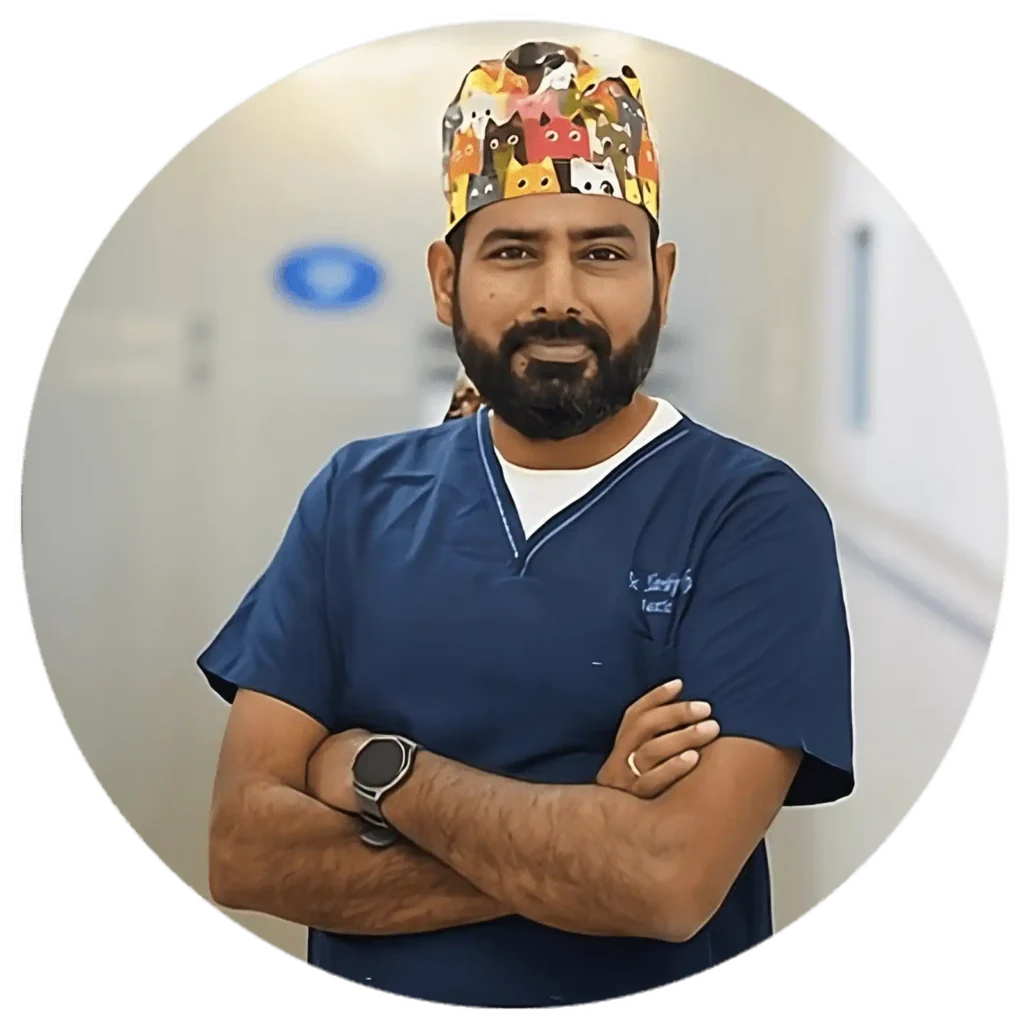
Dr Harikiran Chekuri explains,
“Hair follicles are highly sensitive to hormonal changes. Identifying the underlying imbalance is crucial before starting any treatment, as correcting the hormone levels can improve hair growth and prevent further shedding.”
Which Hormones Affect Hair Growth?
Several key hormones play a crucial role in hair health:
- Dihydrotestosterone (DHT): A testosterone byproduct, high DHT levels can shrink hair follicles, causing pattern baldness.
- Estrogen and Progesterone: These hormones keep hair in the growth phase. Drops during menopause or postpartum can trigger sudden shedding.
- Thyroid Hormones: Both hyperthyroidism and hypothyroidism can push hair into the resting phase early, leading to thinning.
- Cortisol: Chronic stress raises cortisol, disrupting the hair cycle and causing premature hair loss.
Hormonal imbalance may also interact with nutritional deficiencies, so it’s important to check overall health. For more on how nutrition affects hair, you can read about protein deficiency
How Can Hormonal Hair Loss Be Managed?
Effective management depends on identifying the hormone imbalance and implementing a comprehensive approach:
- Medical Evaluation: Blood tests to check thyroid, androgen, and estrogen levels.
- Targeted Treatments: Correcting hormonal disorders, such as thyroid therapy or anti-androgen medications.
- Hair Restoration Options: Topical treatments like Minoxidil, oral medications, or advanced procedures such as hair transplant in Hyderabad for areas of permanent follicle loss.
- Lifestyle & Nutrition: A balanced diet, stress management, and proper hair care support overall follicle health.
At Redefine Hair Transplant and Plastic Surgery Center, treatments are personalized by Dr Harikiran Chekuri, ensuring optimal results and safe hair restoration
When Should You Consult Dr Harikiran Chekuri for Hair Loss Treatment?
You should consult Dr Harikiran Chekuri, a trusted hair transplant specialist, if you notice persistent or sudden hair thinning, excessive shedding, patchy bald spots, or receding hairlines. Scalp irritation, inflammation, or unusual hair breakage are also signs that require professional evaluation.
Early consultation ensures accurate diagnosis and personalized treatment plans. At Redefine Hair Transplant and Plastic Surgery Center, patients receive expert guidance on hair transplant, PRP, or medical therapies, with care tailored to their unique hair loss condition. Our clinic is conveniently located in Hyderabad for comprehensive hair restoration services.
📞 Call Now: +91 92371 23456
Schedule a consultation to discuss your hair loss concerns, treatment options, and personalized recovery plan for optimal hair regrowth results.
Frequently Asked Questions
Can hormone imbalance cause permanent hair loss?
Some hair loss due to hormones is temporary, but prolonged untreated imbalances may lead to permanent thinning in sensitive areas.
How do I know if my hair loss is hormonal?
Signs include diffuse thinning, shedding after pregnancy, menopause, or stress, and patchy hair loss patterns. Blood tests can confirm imbalances.
Can hair transplant help hormonal hair loss?
Yes, hair transplant is an option for areas with permanent follicle loss, while medical therapy addresses ongoing hormonal issues.
Which hormone is most responsible for hair loss?
Dihydrotestosterone (DHT), a byproduct of testosterone, is a primary factor in male and female pattern hair loss. Thyroid hormones and estrogen levels also play a role.