The gym is off the table for the first two weeks after hair transplant. Sweating raises scalp blood pressure, increases infection risk at open wound sites, and creates exactly the conditions that compromise graft survival during the window when grafts are most vulnerable. Light walking is fine from day three or four. Most regular gym sessions are cleared around the four-week mark. High-intensity training, heavy lifting, and contact sports need a full month minimum before they come back into the picture.
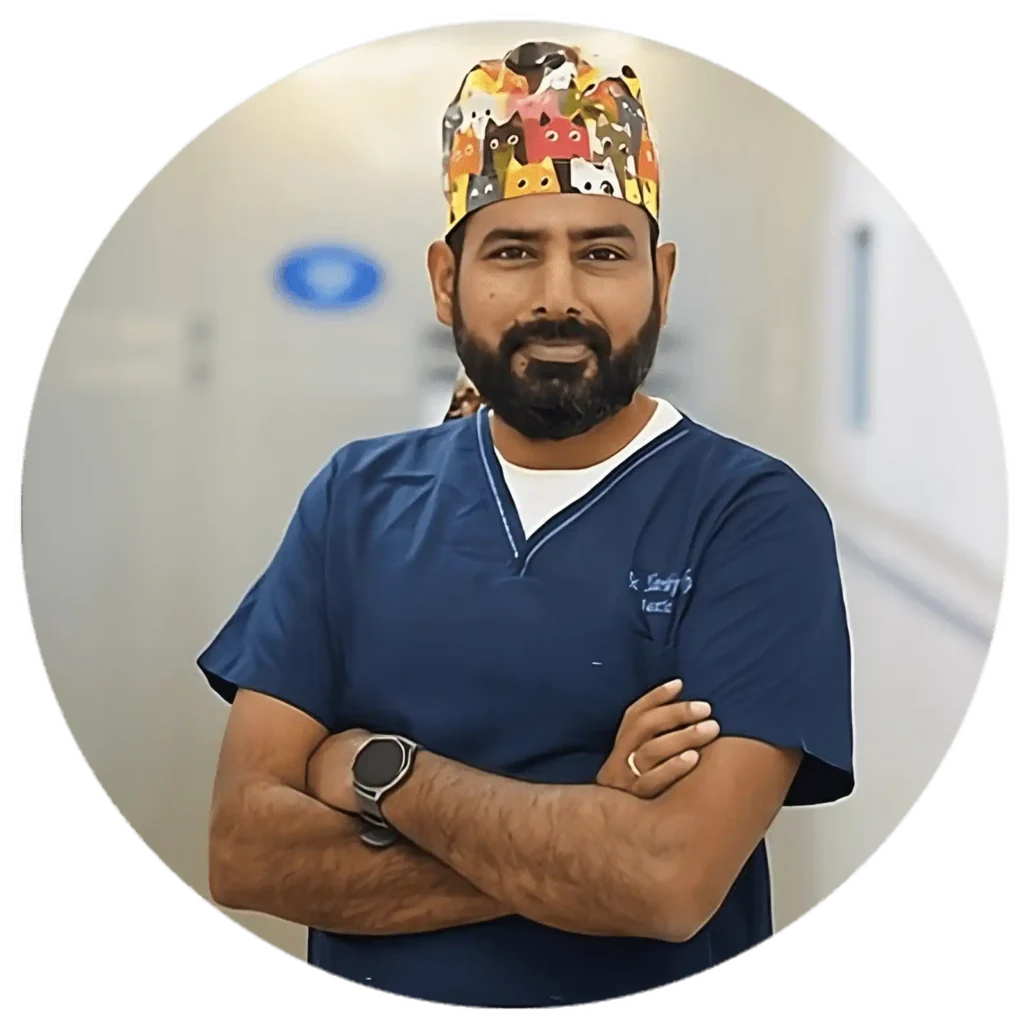
According to Dr Harikiran Chekuri, one of India’s pioneering plastic surgeon, “Patients who exercise too early are usually not doing anything dramatic. They go for a jog or lift something moderately heavy and think it is fine. The problem is what happens inside the scalp, not what is visible on the surface. Elevated blood pressure, increased sweating, and scalp tension all work against the early integration process. Four weeks feels long. The result is worth it.“
Why Does Exercise Affect Hair Transplant Recovery?
The restriction on exercise is not precautionary. It is based on what physically happens to the scalp during physical activity and why those changes are specifically harmful during the early healing window.
- Sweating at the scalp: Sweat is not sterile. When it sits on unhealed extraction and implantation sites in the first two weeks, it introduces bacteria to wound areas that are still open, raising infection risk in a way that is completely avoidable by simply waiting.
- Elevated blood pressure: Any physical exertion raises blood pressure throughout the body including at scalp level. In the first five days when extraction and implantation sites are still closing, raised scalp blood pressure increases minor bleeding and slows wound closure at both sites.
- Graft dislodgement risk: Grafts are not securely anchored in the first week. Activities that cause head movement, vibration, or contact carry a direct risk of physically disturbing grafts before they have established their blood supply in the recipient tissue.
- Scalp tension from heavy lifting: Weightlifting increases intra-abdominal pressure which in turn raises venous pressure at the head. This produces swelling and tension at the scalp that disrupts the early healing environment specifically in the donor zone where extraction sites are closing.
- Immune resource competition: The body heals by directing resources including immune cells and growth factors to wound sites. Intense exercise draws on the same physiological resources and creates a competition that consistently slows wound closure and graft integration when workouts happen too soon.
The biology is clear. Exercise too early and the scalp pays for it in ways that show up months later when graft survival rates are lower than they should have been. At Redefine Hair Transplant and Plastic Surgery Center, every patient gets a clear activity timeline as part of the post-surgical briefing before leaving the clinic.
When Can You Return to Each Type of Exercise After Hair Transplant?
The return to exercise is phased, not a single clearance date. Different activities carry different levels of risk to the scalp and the timeline reflects that rather than applying a single blanket restriction.
- Walking from day three or four: Gentle walking at a pace that does not produce significant sweating is appropriate from the third or fourth day post-surgery. It supports circulation without raising scalp blood pressure to a level that interferes with healing.
- Light cardio from week two: Gentle cycling, light jogging, and low-intensity cardio can typically be introduced from around the two-week mark when extraction and implantation sites have closed and the acute graft vulnerability window has passed. This assumes no complications in early healing.
- Regular gym sessions from week four: Most gym-based workouts including moderate weightlifting, machines, and bodyweight training are cleared around the one-month mark. By four weeks grafts are anchored, wound sites are closed, and the scalp can tolerate the blood pressure and sweat exposure that comes with a standard workout.
- Heavy weightlifting from week six: Deadlifts, heavy squats, and anything that produces significant intra-abdominal pressure and head tension should wait until at least six weeks post-surgery. The donor zone in particular benefits from this additional time before being subjected to high venous pressure at the head.
- Contact sports and swimming: Contact sports carry head collision risk and should wait a minimum of four to six weeks. Chlorinated pool water introduces chemicals and bacteria to the scalp and most surgeons clear swimming at four to six weeks depending on how the early recovery has progressed.
The timeline is specific for a reason and the reasons all trace back to what is happening at the scalp during each recovery phase. Read about recovery care to understand the full post-surgical protocol and where exercise sits alongside sleep position, scalp washing, and sun protection in protecting the result.
Four weeks off the gym is a small price for a result that lasts the rest of your life.
Why Redefine Patients Know Their Exercise Timeline Before They Leave the Clinic?
Dr. Harikiran Chekuri is one of India’s pioneering surgeons in hair transplant and the post-surgical briefing at Redefine covers a specific phased exercise return timeline so patients know exactly which activities are cleared at each stage of recovery rather than making assumptions that cost them graft survival.
Patients who come to Redefine Hair Transplant and Plastic Surgery Center leave with written aftercare instructions, a recovery timeline covering exercise and daily activities, and direct clinical team access for any question that comes up between discharge and the follow-up appointment.
For any recovery question during the post-surgical period, 📞 Call Now: +91 92371 23456or book a follow-up below.
Frequently Asked Questions
When can I go to the gym after a hair transplant?
Most regular gym sessions are cleared around the four-week mark. Light walking is fine from day three or four. Heavy weightlifting and high-intensity training should wait until at least six weeks post-surgery.
Why can I not exercise after hair transplant?
Sweating raises infection risk at open wound sites, elevated blood pressure increases scalp bleeding, and heavy exertion creates venous pressure at the head that disrupts early graft integration during the critical healing window.
Can I go for a walk after a hair transplant?
Gentle walking at a pace that does not produce significant sweating is appropriate from day three or four post-surgery. It supports circulation without raising scalp blood pressure to a level that interferes with healing.
When can I swim after a hair transplant?
Swimming in chlorinated pools should wait four to six weeks post-surgery. Pool chemicals and bacteria in water introduce infection risk to the healing scalp at a stage when wound sites are still consolidating.
REFERENCE LINKS
- International Society of Hair Restoration Surgery: https://www.ishrs.org
- American Academy of Dermatology — Hair Loss: https://www.aad.org/public/diseases/hair-loss
- PubMed Central — Diffuse Alopecia and Hair Transplant: https://www.ncbi.nlm.nih.gov/pmc
Disclaimer: Reference links are provided solely for academic and clinical context and do not imply endorsement or accountability for third-party medical content.