
Diet after a hair transplant directly affects how grafts integrate and how quickly new hair grows. Hair is made of keratin, which is built from amino acids, and follicles need a consistent supply of protein, iron, biotin, and zinc to stay active through the growth phase. Nutrition in the months after surgery is not optional. It is part of what determines the result.
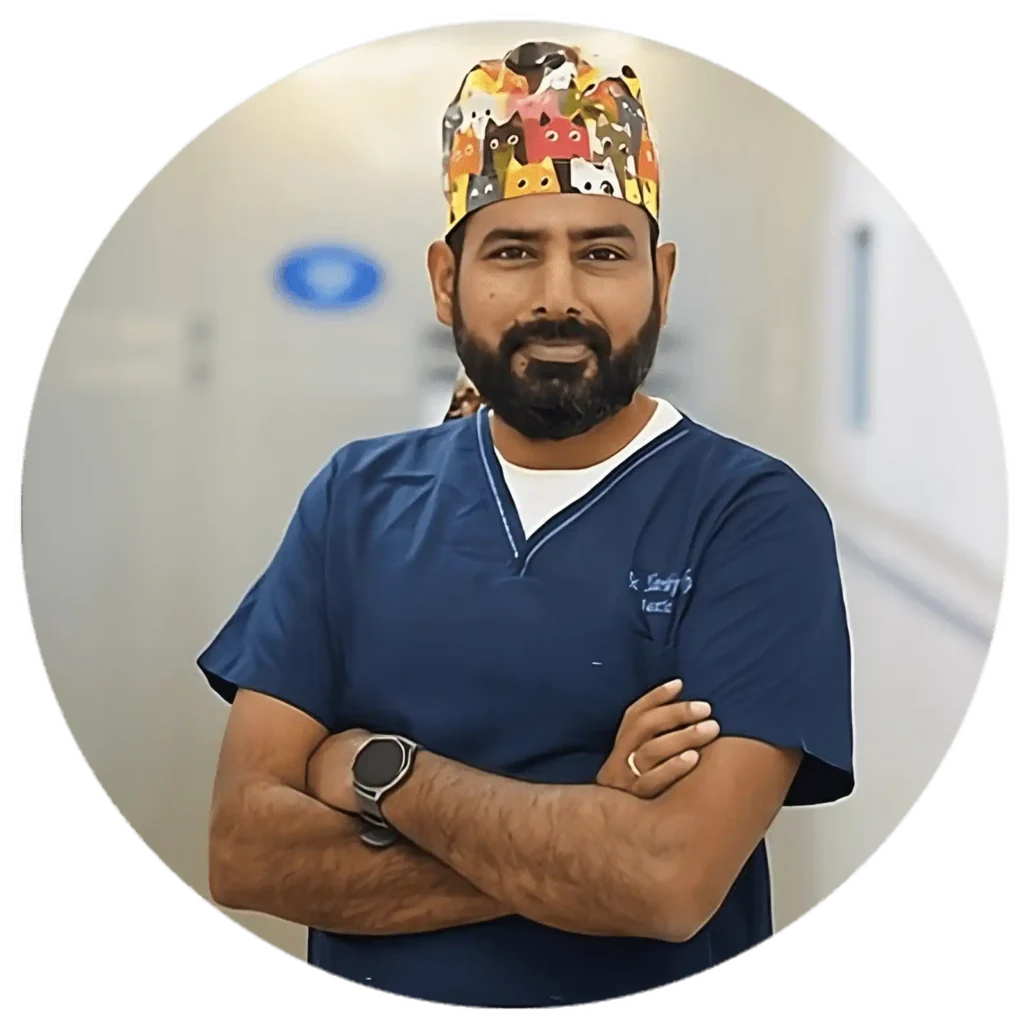
According to Dr Harikiran Chekuri, one of India’s pioneering plastic surgeon, “Post-operative care is not just about medications. Proper nutrition, gentle handling of the scalp, and regular follow-ups are essential. Diet in the first month post-transplant has a real impact on how well the grafts take and how quickly the growth phase begins.“
What Should You Eat After a Hair Transplant for Faster Healing and Growth?
The first three months after surgery are when follicles transition from dormant back into active growth. That shift depends on whether the body has the right nutritional building blocks available consistently.
- Protein: Hair is keratin and keratin needs amino acids to form. Eggs, chicken, fish, lentils, and paneer are the practical sources. Skipping protein consistently in the first three months is one of the most direct ways to slow regrowth after a transplant.
- Biotin: Found in eggs, nuts, and seeds. It supports keratin structure and follicle metabolism. Most patients do not get enough of it through diet alone and it genuinely matters during the post-surgical window when follicles are trying to restart.
- Iron: Low ferritin pushes follicles into telogen early. Leafy greens, lentils, red meat, and fortified cereals are the dietary sources worth prioritising. A basic blood panel tells you whether supplementation is actually needed rather than guessing.
- Zinc: Involved in tissue repair at extraction and implantation sites and in follicle cell division. Pumpkin seeds, chickpeas, and whole grains cover it through diet without needing supplements for most patients.
- Vitamin D and omega-3s: Vitamin D deficiency is consistently linked to telogen effluvium. Omega-3s from fish, walnuts, and flaxseed reduce scalp inflammation that can slow graft integration in the early weeks after surgery.
Getting these through whole food is the better approach where diet allows it, with targeted supplementation added based on actual blood work. Patients who go through the full post-surgical nutrition plan at Redefine Hair Transplant and Plastic Surgery Center get this as part of their discharge guidance rather than figuring it out on their own after going home.
What Foods and Habits Should You Avoid After a Hair Transplant?
Getting the right nutrients in matters. So does cutting out the things that actively work against graft healing and follicle recovery in the months after surgery.
- Alcohol: It dilates blood vessels, raises scalp blood pressure, and increases bleeding risk at both extraction and implantation sites in the first two weeks. Follicles trying to connect to a new blood supply need hydration consistently. Alcohol works directly against that.
- High-sodium processed food: Excess sodium drives fluid retention and scalp swelling. That slows the vascular connection grafts need to establish in the critical early weeks after implantation.
- Sugar and refined carbohydrates: High glycaemic foods drive inflammation that extends the healing window and disrupts the hormonal environment follicles need to shift back into the growth phase on schedule.
- Smoking: Nicotine constricts blood vessels and cuts oxygen delivery to the scalp. Follicles in early integration are entirely dependent on local blood supply for survival. Reduced circulation at that stage directly lowers graft take rates.
- Crash dieting: Sudden caloric restriction signals the body to conserve resources and hair growth is the first non-essential function paused. Patients who restrict calories aggressively in the first three months consistently see slower and thinner regrowth.
The dietary picture after a hair transplant is straightforward. Give follicles what they need and remove what interferes with healing. Read about recovery care to understand the full post-surgical protocol and where diet fits alongside scalp care, activity, and follow-up in protecting long-term results.
Your diet in the first three months is part of the procedure. Treat it that way.
Why Choose Redefine for Hair Transplant and Post-Surgical Support?
Dr. Harikiran Chekuri is one of India’s pioneering surgeons in hair transplant and the post-operative care structure at Redefine includes nutritional guidance, scalp care protocol, and follow-up checkpoints through the full growth cycle because what happens in the months after surgery determines the quality of the result as much as what happens during it.
Patients who come to Redefine Hair Transplant and Plastic Surgery Center leave with a complete post-surgical plan covering diet, scalp care, activity, and follow-up rather than a generic aftercare sheet that stops at wound healing.
Frequently Asked Questions
What foods help hair grow faster after a hair transplant?
Protein, biotin, iron, zinc, and vitamin D are the key nutritional requirements. Eggs, fish, lentils, leafy greens, and nuts are the most practical dietary sources for post-transplant patients.
Can I eat normally after a hair transplant?
A diet consistently rich in protein and micronutrients gives follicles the building blocks needed to shift into the growth phase on schedule rather than staying dormant longer than necessary.
Should I take supplements after a hair transplant?
Targeted supplementation based on blood work is more effective than taking multiple supplements without knowing actual deficiency levels. Iron, vitamin D, and biotin are the most commonly deficient nutrients in post-transplant patients.
What should I avoid eating after a hair transplant?
Alcohol, high-sodium processed food, refined carbohydrates, smoking, and crash dieting all interfere with graft healing or follicle recovery and should be avoided particularly in the first three months after surgery.
REFERENCE LINKS
- American Academy of Dermatology — Hair Loss and Nutrition: https://www.aad.org/public/diseases/hair-loss
- National Institutes of Health — Biotin and Hair Health: https://www.ncbi.nlm.nih.gov/pmc
- International Society of Hair Restoration Surgery: https://www.ishrs.org
Disclaimer: Reference links are provided solely for academic and clinical context and do not imply endorsement or accountability for third-party medical content.