PRP after a hair transplant is not a mandatory add-on. It is a clinically useful tool that supports graft survival in the early post-surgical period and slows ongoing native hair loss in the months and years that follow. The growth factors in concentrated platelet plasma improve blood supply to the scalp, reduce inflammation around newly placed grafts, and stimulate follicle activity in surrounding native hair that is still responding to DHT. Whether it is done immediately post-surgery or started later as a maintenance treatment changes what it is actually doing.
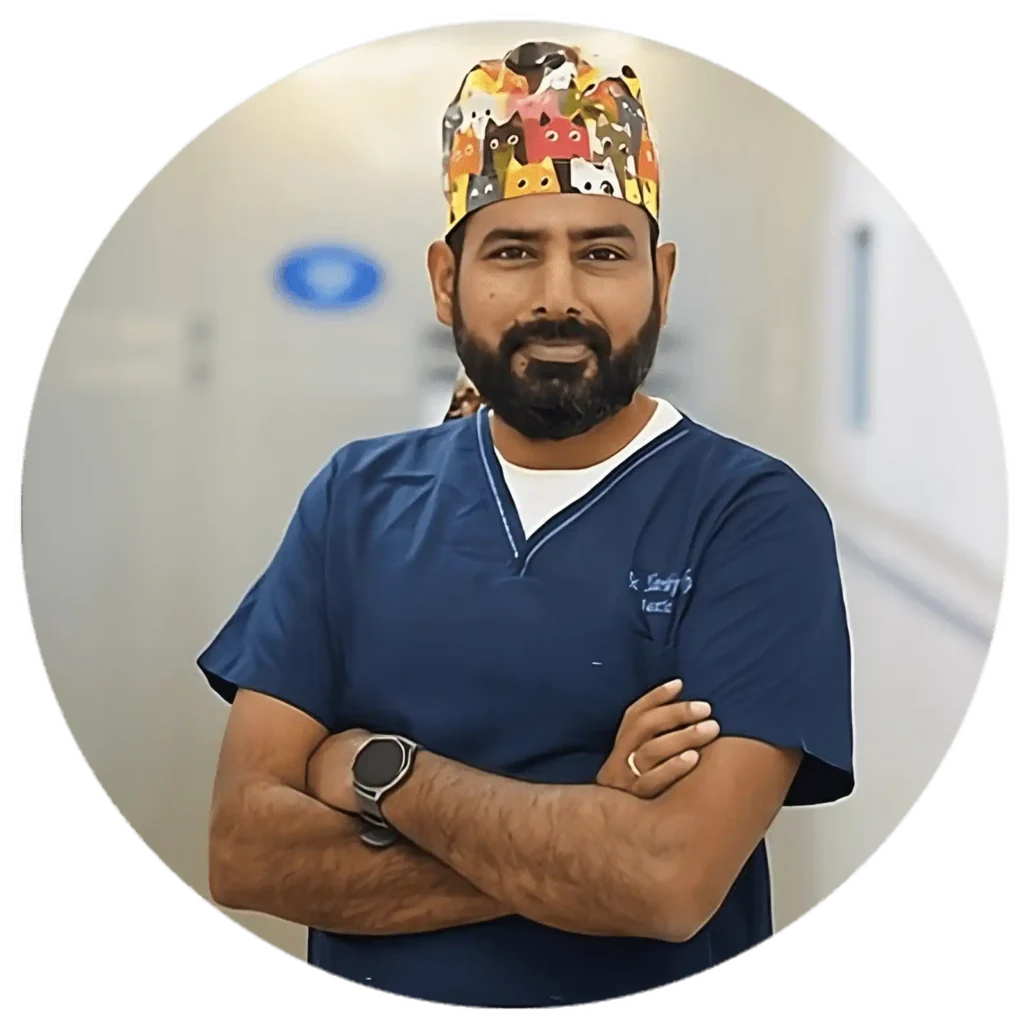
According to Dr Harikiran Chekuri, one of India’s pioneering plastic surgeon, “PRP works most effectively when started early and is often used as a standalone therapy or in combination with hair transplant procedures for improved long-term results. After a transplant specifically, the timing of PRP matters because what it supports in week two is different from what it maintains at month twelve.“
How Does PRP Support Recovery and Results After a Hair Transplant?
The role of PRP changes depending on when it is administered after surgery. Understanding what each phase of post-transplant PRP actually does stops patients from either dismissing it as unnecessary or expecting it to do something it cannot.
- Immediate post-surgical PRP: Administered during or within the first few days after surgery, PRP improves blood supply to the implanted grafts and reduces the inflammatory response at both donor and recipient sites. This is where the graft survival benefit is strongest and why many surgeons include it as part of the surgical session itself.
- Early recovery phase: Used in the first one to three months, PRP supports the transition of follicles from the dormant post-surgical phase back into active growth. It does not accelerate this dramatically but it creates a more favourable scalp environment for follicles that are starting to reactivate.
- Native hair maintenance: From month three onwards, PRP targets the native follicles in non-transplanted areas that are still subject to DHT. This is where it does its most important long-term work. Without it, native hair keeps thinning around the permanent transplanted grafts and the density balance shifts noticeably over time.
- Frequency after transplant: Most surgeons recommend three to four sessions spaced four to six weeks apart starting from around month one post-surgery, followed by maintenance every six to twelve months depending on how the patient’s native hair responds.
- What PRP cannot do: It does not replace grafts that did not survive. It does not create new follicles. In areas where follicles are already permanently gone, PRP has no mechanism to work with and produces no result.
Discussing post-surgical PRP before the transplant date rather than after is what ensures it becomes part of the plan rather than an afterthought. At Redefine Hair Transplant and Plastic Surgery Center, that conversation happens at the surgical consultation itself.
Who Actually Needs PRP After a Hair Transplant and Who Does Not?
PRP after a hair transplant is genuinely useful for specific patients and genuinely unnecessary for others. Knowing which category a patient falls into requires looking at their hair loss stage, progression rate, and how much native hair remains in non-transplanted areas.
- Patients with active androgenetic alopecia: Anyone whose native hair was still visibly thinning before surgery has the strongest clinical case for post-transplant PRP. The underlying DHT-driven miniaturisation did not stop when the transplant happened and PRP is one of the tools that slows it in non-surgical zones.
- Younger patients: Men in their twenties and thirties who still have significant native hair left to lose benefit most from post-transplant PRP because there is more functioning follicle tissue for it to stimulate and preserve over the following decade.
- Patients with limited donor supply: If a future session is unlikely because donor density is already low, protecting every remaining native follicle becomes more important. PRP extends the productive life of those follicles and reduces how quickly the density gap becomes visible.
- Patients with stable older-age hair loss: Men in their fifties whose hair loss has significantly slowed and whose native hair around the transplanted area is stable may see limited additional benefit from regular PRP maintenance. The risk-benefit calculation is different when progression is already quiet.
- Patients who had PRP during surgery: Starting post-surgical PRP sessions from around month one after a procedure that included intraoperative PRP is a different protocol from starting from scratch. The surgeon’s recommendation should account for what was already done during the procedure.
PRP after transplant is a clinical decision, not a default. It works best when it is planned as part of the long-term strategy rather than added reactively when results start looking thin. Read about PRP hair treatment to understand how the treatment works at a biological level and what the full timeline of results looks like across multiple sessions.
Your transplant is done. PRP is what helps keep everything around it looking as good as the grafts themselves.
Why Choose Redefine for PRP After Hair Transplant?
Dr. Harikiran Chekuri is one of India’s pioneering surgeons in hair transplant and the post-surgical PRP protocol at Redefine is structured around the patient’s specific hair loss stage, native hair status, and progression rate rather than a standard session count applied uniformly after every procedure.
Patients who come to Redefine Hair Transplant and Plastic Surgery Center leave with a complete post-surgical plan that covers both graft recovery and native hair maintenance, because the long-term result depends on both and treating only one of them consistently produces density imbalances that show up years later.
Frequently Asked Questions
Is PRP necessary after a hair transplant?
PRP is not mandatory but is clinically recommended for most patients because it supports graft survival in the early post-surgical period and slows native hair loss in non-transplanted areas long term.
When should PRP be done after a hair transplant?
Most surgeons recommend starting PRP sessions from around month one post-surgery, with three to four initial sessions followed by maintenance every six to twelve months depending on native hair response.
Does PRP improve graft survival after a hair transplant?
PRP administered during or immediately after surgery improves blood supply to implanted grafts and reduces scalp inflammation, which supports the graft integration process in the critical early weeks.
How long does PRP maintain results after a hair transplant?
PRP results in non-transplanted areas typically last six to twelve months before maintenance sessions are needed to keep follicle stimulation active and native hair loss progression slowed.
REFERENCE LINKS
- International Society of Hair Restoration Surgery: https://www.ishrs.org
- American Academy of Dermatology — PRP Hair Treatment: https://www.aad.org/public/diseases/hair-loss
- PubMed Central — PRP and Hair Transplant Outcomes: https://www.ncbi.nlm.nih.gov/pmc
Disclaimer: Reference links are provided solely for academic and clinical context and do not imply endorsement or accountability for third-party medical content.