
Hormonal acne can be effectively managed by combining lifestyle modifications with targeted medical treatment. This includes managing stress, following a low-glycemic and anti-inflammatory diet, getting adequate sleep, and maintaining a proper skincare routine using gentle, non-comedogenic products.
Alongside these measures, dermatologists may prescribe medical treatments such as topical retinoids, antibiotics, or hormonal therapies like oral contraceptive pills to regulate oil production, reduce inflammation, and prevent recurring breakouts.
What Causes Hormonal Acne and Why Does It Keep Coming Back?
The main cause of hormonal acne is the fluctuation of hormones throughout the female reproductive cycle. Male hormones (androgens), female hormones (estrogen), and female hormones (progesterone) cause the body to create excess amounts of oil (sebum), clog the pores, and create an ideal environment for acne-causing bacteria to grow and multiply.
The most common causes of hormonal acne are:
- Monthly (or menstrual) cycles and polycystic ovarian syndrome (PCOS)
- Stress and an imbalance in cortisol levels
- Pregnancy or menopause
- Poor nutrition and not enough sleep
Hormones are constantly fluctuating throughout a woman’s life; therefore, hormonal breakouts usually show up on the jaw line, chin, cheek area, and neck, and if left untreated, can recur frequently.
How to Cure Hormonal Acne Naturally and Medically?
“Hormonal acne and pimple cannot be treated overnight, but it can be treated and managed successfully through a combined approach.”
“Medical methods include:
- Hormone Regulation (Hormon modifying medications)
- Oral / Topical Retinoids
- Anti-androgen Drugs
- Chemical Peels / Treatment Procedures for Acne
Lifestyle changes include:
- Eating a balanced and low-glycemic (low sugar) diet.
- Using only Non-Comedogenic skin care.
- Using mild cleansers and avoiding excessive scrubbing of skin.
- Managing Stress by getting adequate sleep and exercise.
Having a “Personalized Treatment Plan” guarantees better long-term success.”
When Should You Consult a Doctor ?
You should seek expert care if:
- Acne is painful, cystic, or leaving scars
- Over-the-counter products are ineffective
- Acne is linked to hormonal disorders like PCOS
- Breakouts persist beyond your teenage years
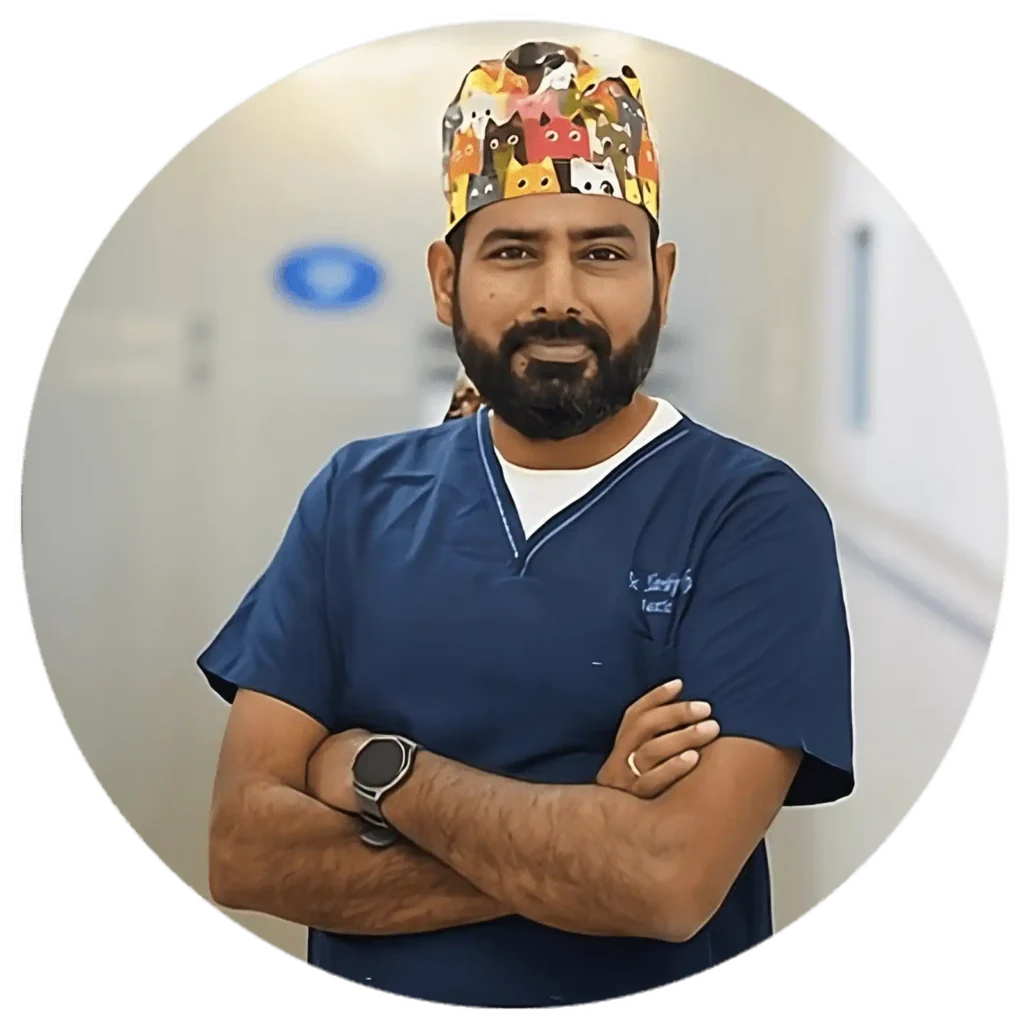
At Redefine Hair Transplant and Plastic Surgery Center, patients receive advanced skin and hormonal acne treatments under the guidance of Dr. Harikiran Chekuri, a trusted plastic surgeon known for aesthetic and corrective procedures.
Frequently Asked Questions
Can hormonal acne be permanently cured?
Hormonal acne cannot always be permanently cured, but it can be effectively controlled with the right combination of medical treatment, lifestyle modifications, and long-term maintenance under expert supervision.
How long does hormonal acne take to improve with treatment?
With proper treatment, visible improvement usually begins within 6–8 weeks, while optimal results may take 3–6 months depending on hormonal balance and skin type.
Does hormonal acne affect only women?
Although more common in women due to menstrual cycles, pregnancy, and PCOS, hormonal acne can also affect men, especially those with androgen imbalance.
Can diet really impact hormonal acne?
Yes, diets high in sugar and refined carbohydrates can worsen hormonal acne. A low-glycemic, anti-inflammatory diet helps reduce breakouts and supports overall skin health.
Is hormonal acne linked to PCOS?
Yes, hormonal acne is a common symptom of PCOS and often appears along the jawline, chin, and lower face due to increased androgen levels.